

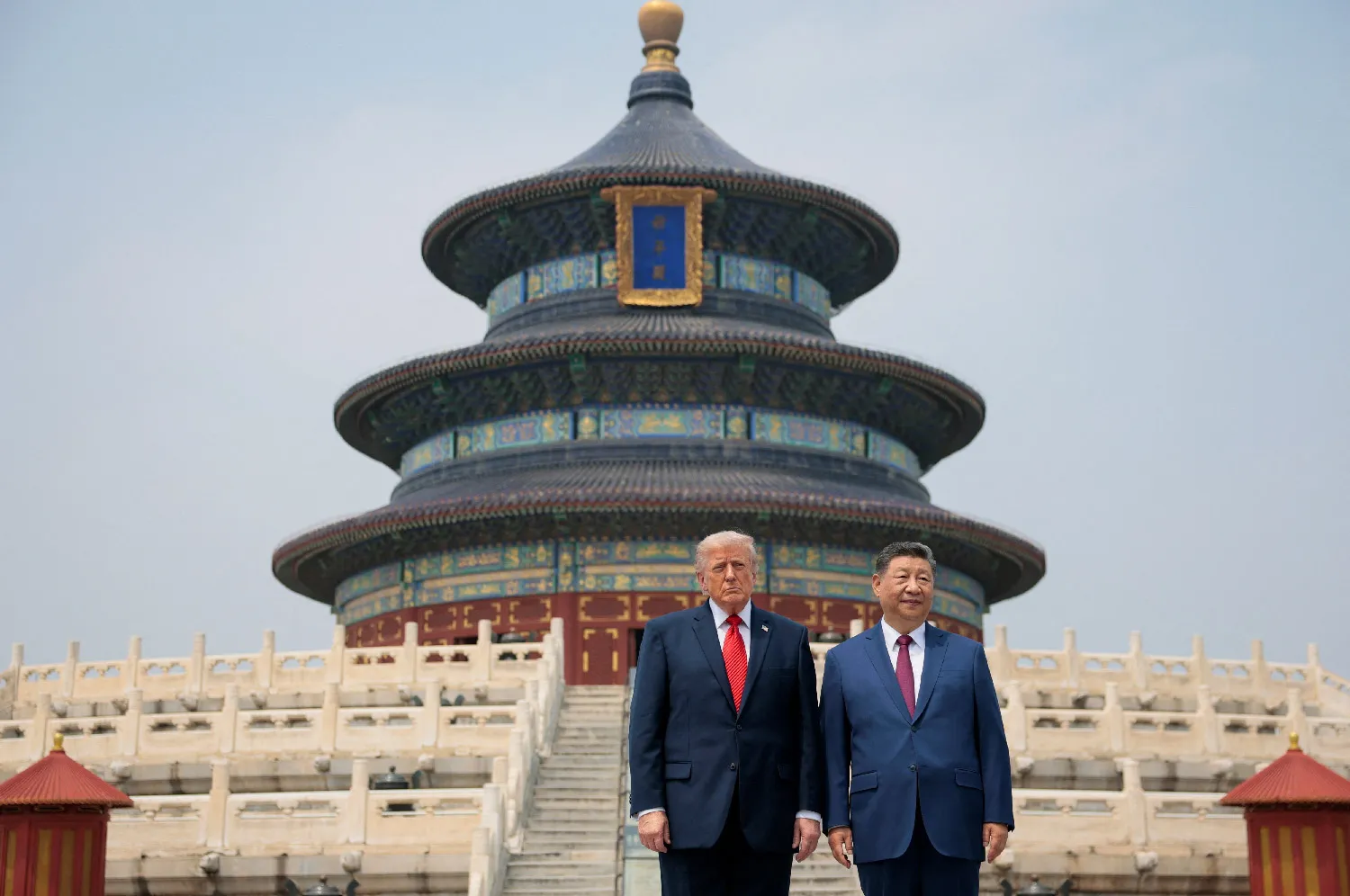
The article contributes to a debate about whether alliances lead to conflict or peace, going back to Thucydides’ Peloponnesian War and its applicability to the modern day. Graham Allison, seeking a structural argument and based on what he and many others view as the main cause of war for Thucydides, popularized the term “Thucydides’ trap” as “the natural, inevitable discombobulation that occurs when a rising power threatens to displace a ruling power.” Allison inferred Thucydides’ trap as a structural logic guiding great power competition, particularly the US-China rivalry. Trump’s…
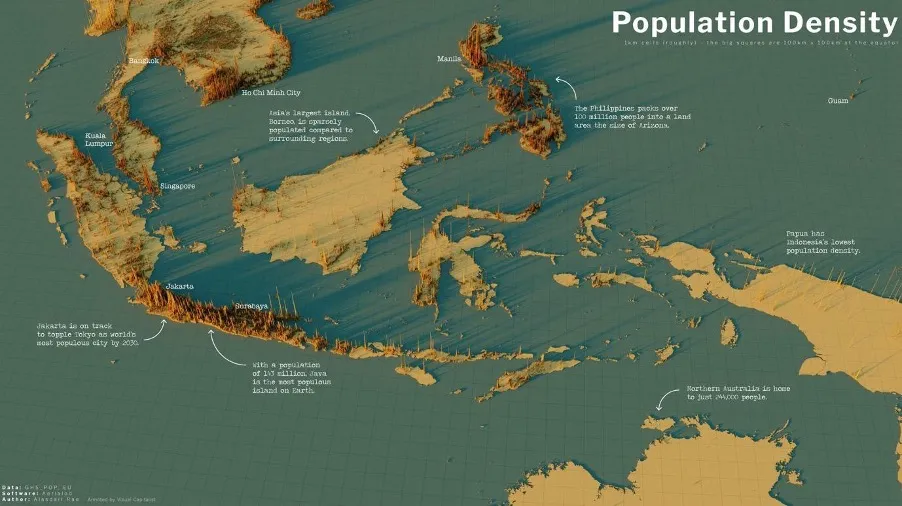
Rapid urbanization in Southeast Asia calls for new approaches to building more livable and inclusive cities. The 15-minute city offers a useful reference point for rethinking urban accessibility, but it is not a universal model. Adapting its principles through gender-responsive planning can help address unequal access to services, strengthen inclusive governance, and better integrate informal economies.

Governments treat semiconductors and AI as strategic assets but leave food and fertilizer decisions to agriculture ministries. As climate, conflict, and chokepoint disruptions intensify, this is a dangerous mistake. Food production is a national security issue, central to a country’s defense, resilience, and economic power.
In March 2026 trade ministers met for the World Trade Organization’s 14th Ministerial Conference, the organization’s highest decision-making body. The aim was to keep the organization relevant by addressing the institutional paralysis that has plagued it for years and to revive multilateral trade in a deeply fragmented world. Although the conference failed to bridge the divide, member-states also noted the relevance of a robust multilateral trade system.

From Chile’s lithium flats to Indonesia’s nickel-rich islands, the race among emerging middle powers to secure critical minerals for strategic autonomy from China and the United States is generating new global coalitions—but most of those minerals lie beneath Indigenous territory. Until foreign policy frameworks acknowledge Indigenous nations as rights-holders rather than stakeholders to be managed, the new global order will be built on outdated policies it claims to replace.
Strategic competition between China and Western countries is increasingly shaping sovereign debt restructuring outcomes, with developing countries bearing the greatest economic and social costs. Sri Lanka’s recent restructuring illustrates how geopolitical fragmentation can stall necessary financing and delay crisis resolution. While Western governments, alongside India and Japan, moved to finalize financing assurances, China withheld support pending its demand that multilateral claims be included in the restructuring framework. The resulting deadlock delayed approval of Sri Lanka’s International…
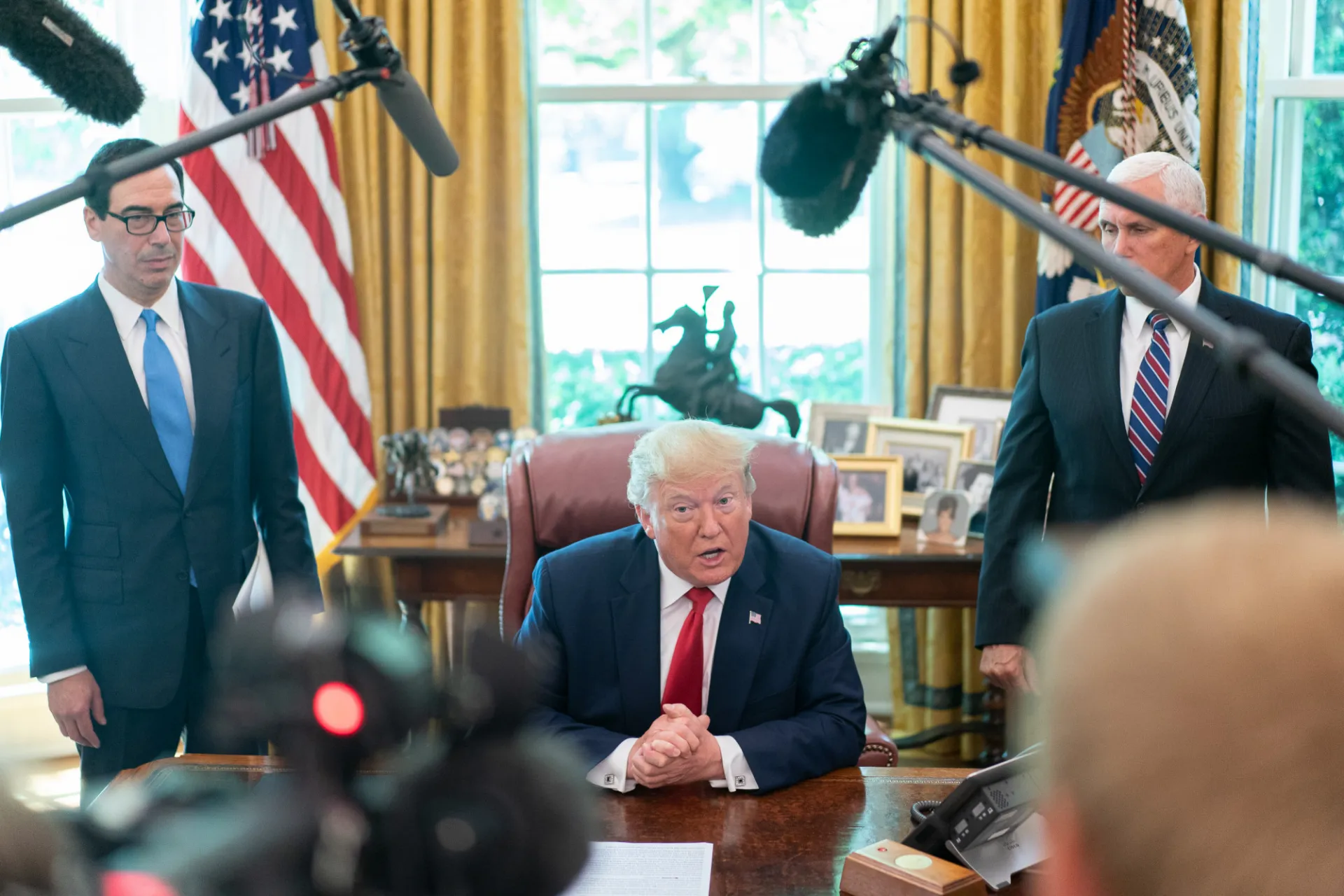
The article evaluates the implications of Israel’s military strikes on Iranian nuclear and military assets in June 2025 and the 2026 U.S.–Israeli strikes against Iran (Operation Epic Fury), arguing for de-escalation to prevent a regional war. It proposes to contain the conflict amid ongoing wars and humanitarian crises in the Middle East that threaten global security and stability. Unlike the 2025 short-term operations, the current war in Iran carries multidimensional risks, from regional to international implications, including prolonged conflict, disrupting global oil supplies, sparking proxy…
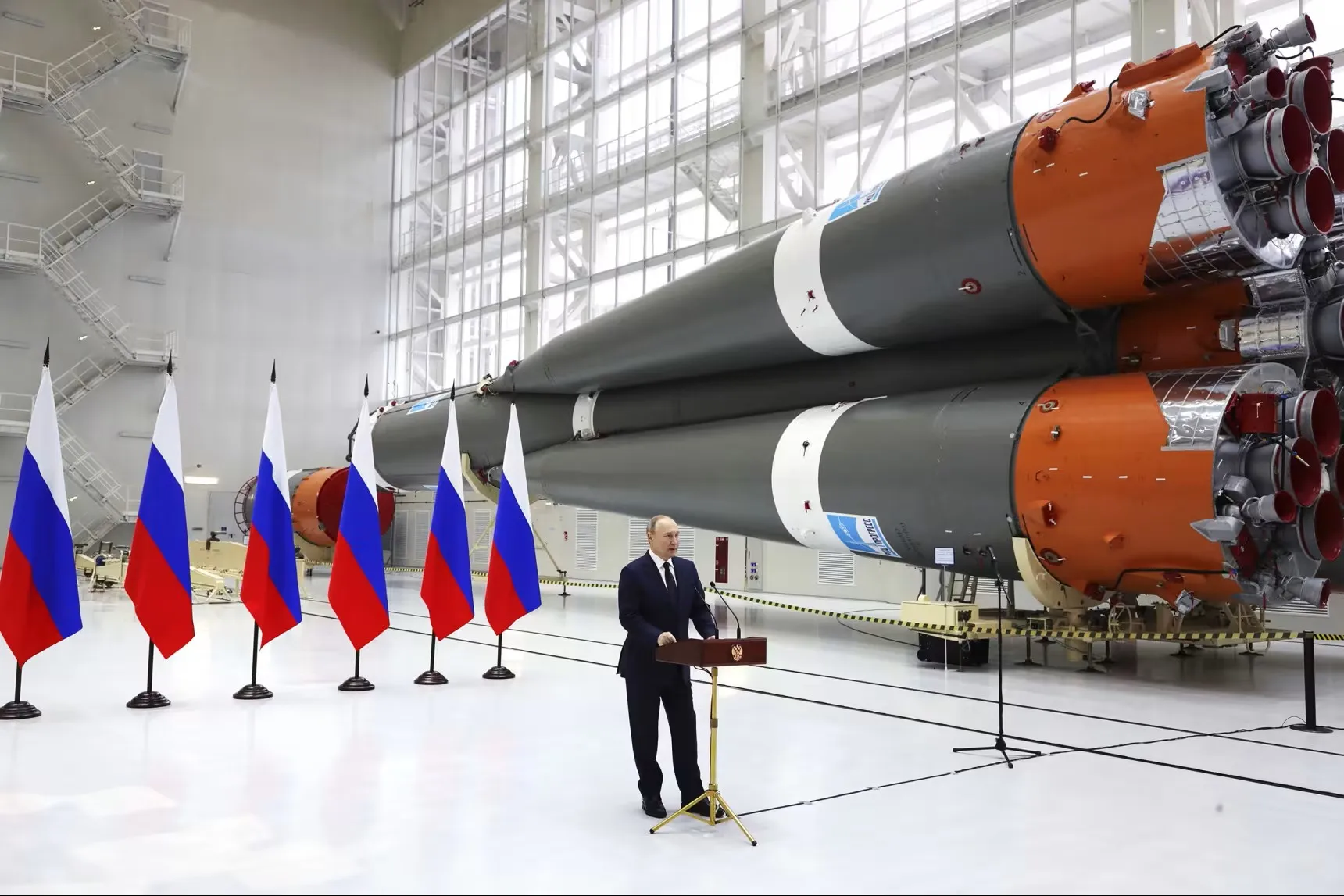
Russia’s nuclear signaling shaped Western policy during the first years of the war in Ukraine, constraining military support through fears of escalation. By late 2025, however, that strategy had largely collapsed. A series of theatrical weapons demonstrations, from the nuclear-capable Burevestnik and Poseidon systems to the much-hyped Armata tank and Sarmat missile, exposed the widening gap between Russia’s military propaganda and its actual capabilities. At the same time, a shift in U.S. posture under the Trump administration disrupted the escalation calculus Moscow had relied on to exploit…
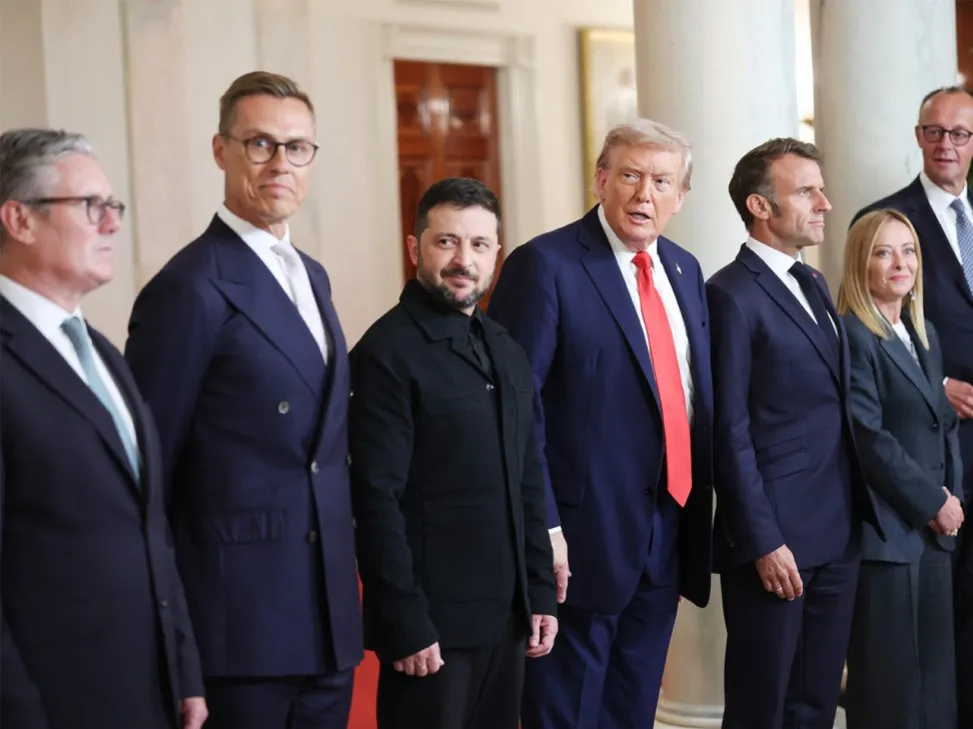
The introduction of steep US tariffs at the beginning of 2025, including on allies, led to two spring election shocks. However, recent evidence suggests that foreign political systems are absorbing the new US trade barriers. The failure of an enduring anti-American electoral wave heralds that the Western alliance, while evolving, will persist under US leadership.
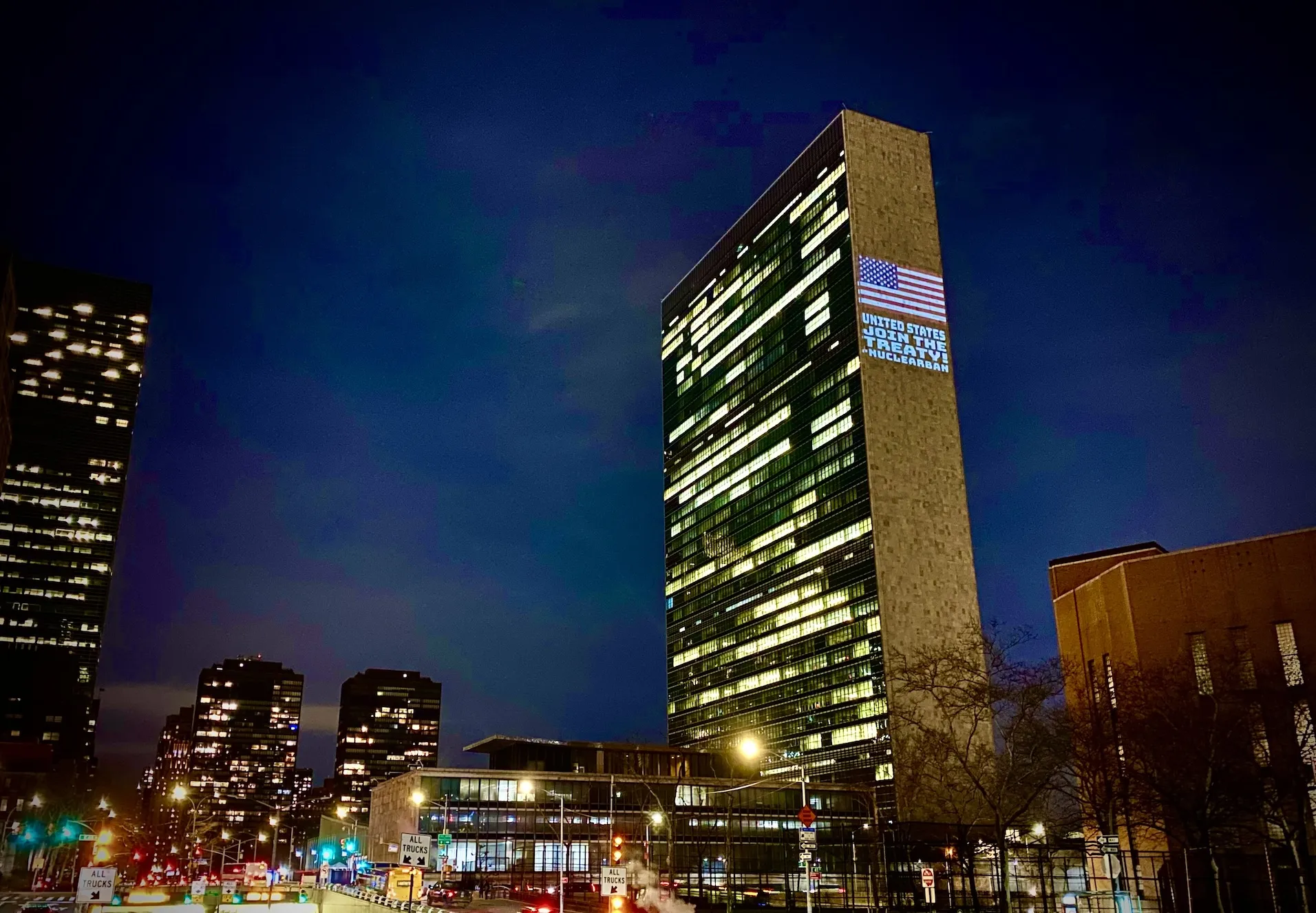
Despite intermittent rhetorical support for “denuclearization,” U.S. President Trump’s nuclear weapon policies, during both his first term and the first year of his second term, have only increased nuclear risks. Rather than hoping for the U.S. President to lead on disarmament, the global community should heed the leadership of the majority of the world’s governments. Through the Treaty on the Prohibition of Nuclear Weapons, which as of 2025 has been signed or ratified by 99 UN member states (50.3% of those eligible to do so), the international community is bolstering norms against nuclear…
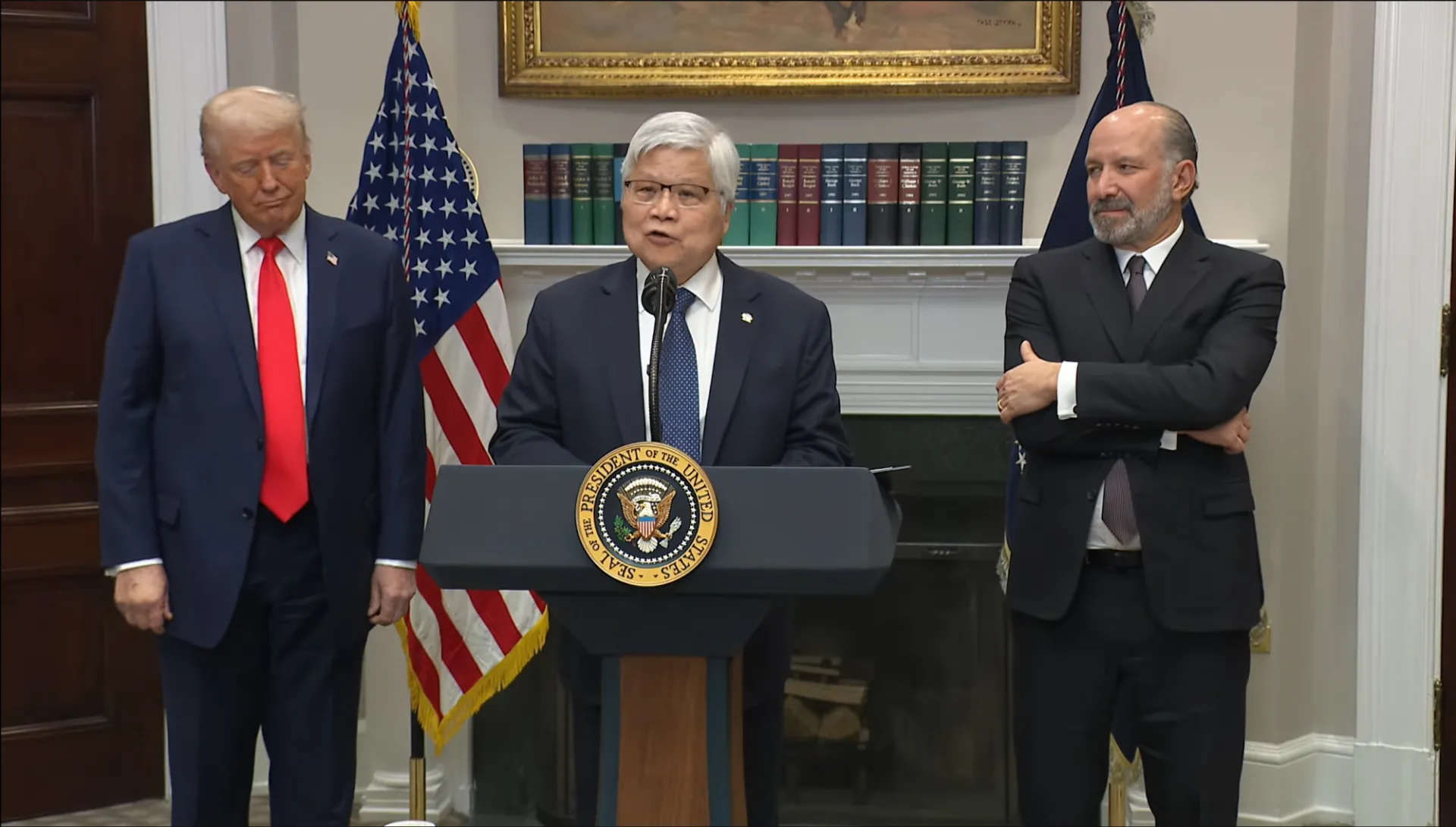
Since January 2025, Washington has increasingly treated economic and security commitments to Taiwan as renegotiable bargains. This article argues that such “transactional deterrence” can strengthen near-term denial—via accelerated arms transfers and industrial mobilization—while injecting volatility into punishment credibility and crisis management. Beijing’s late-2025 coercive rehearsal and sanctions preparation suggest that probing pressure, under shorter decision cycles, is now the central escalation risk.