
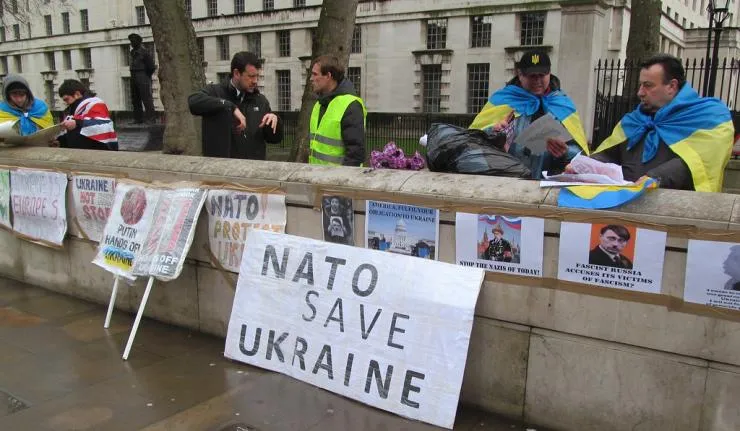
The COVID-19 crisis presents Ukraine with a unique opportunity to integrate further into the West. The crisis has weakened Russia’s position in the Donbas and has sparked key internal Ukrainian reforms that call for more robust action. An important first step should be Ukraine’s integration into the Three Seas Initiative. Second, Ukraine and the U.S. should negotiate the terms of a new relationship by designating Ukraine a Major Non-NATO Ally. Doing so will strengthen Ukraine’s democratic institutions, lift the economies of Central and Eastern Europe, and begin restoring American prestige…

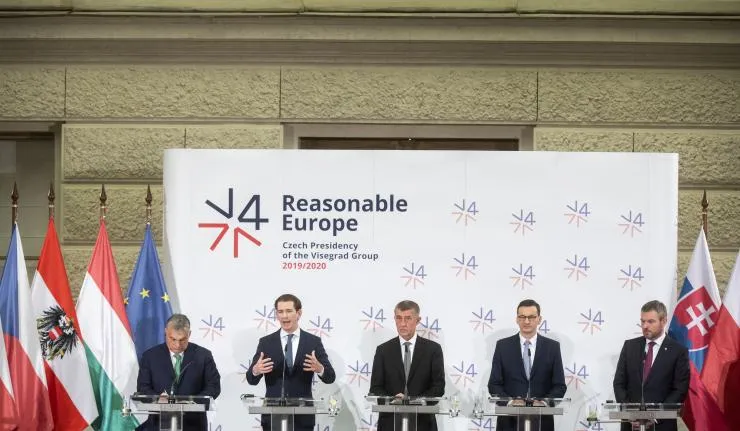
As cities grow in size and in political influence, city diplomacy is quickly becoming an important element of international diplomacy. The Pact of Free Cities signed by the mayors of Prague, Bratislava, Budapest, and Warsaw in December 2019 is the latest example of this trend.
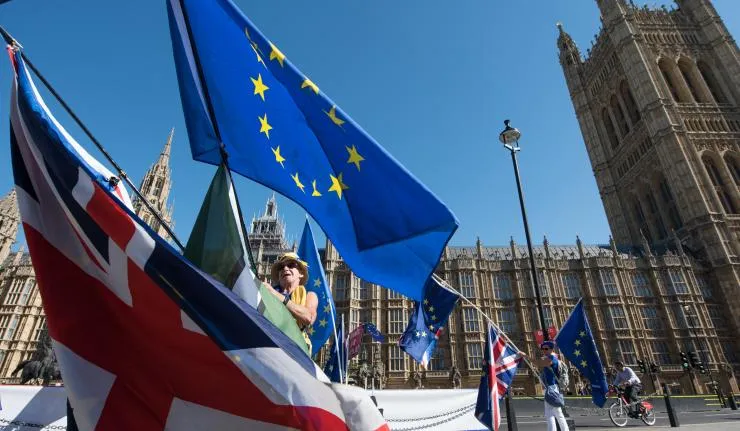
This article was originally published in the Journal of International Affair's print edition, Vol. 16, No. 1 in 1962.
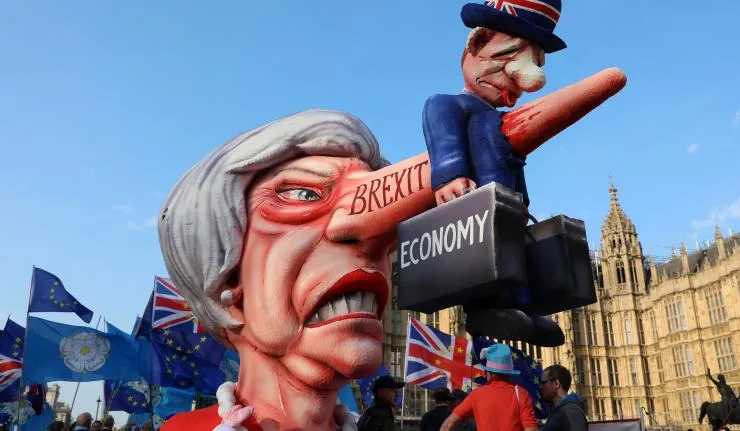
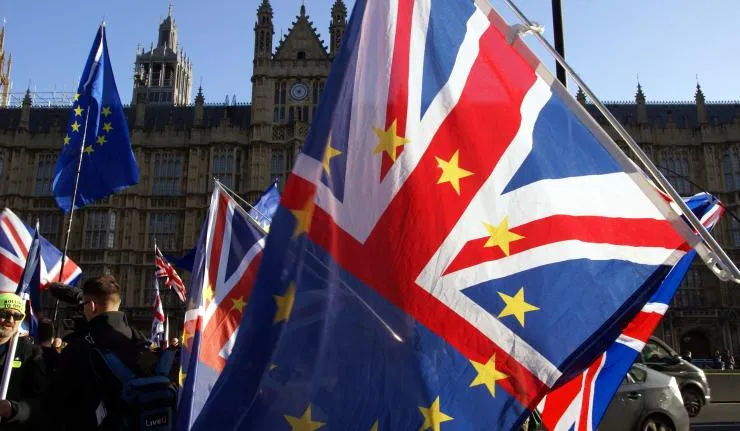
With the looming October 31 Brexit deadline, Desmond Lachman emphasizes the catastrophic implications of the UK's departure from the EU both for the US and the broader world economy.
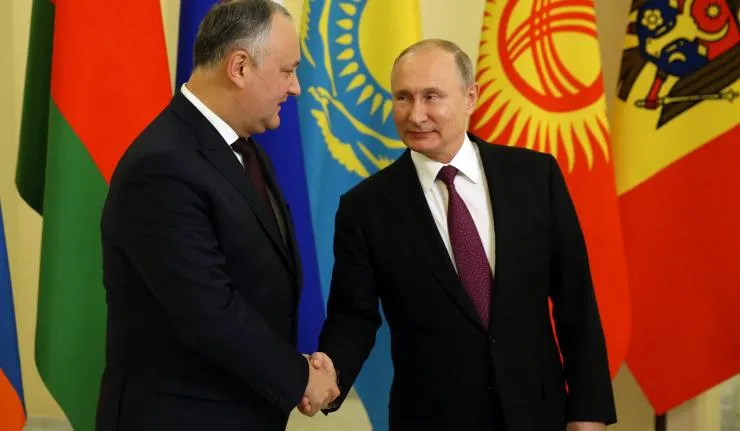
Since the collapse of the Soviet Union, Russia has employed different policies meant to retain influence in its near abroad, an important one being the instigation and sustainment of frozen conflicts. In Moldova and Ukraine, recent political developments increase the likelihood that Russia will soon push to implement the next stage in the frozen conflict cycle: resolution through federalization.
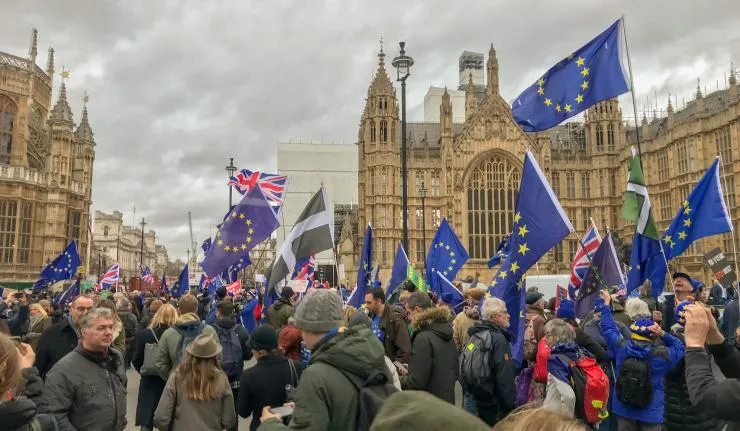
Tim Oliver unravels the issues underlying Brexit through the six I's: ignorance, influence, institutions, incoherence, identity, and isolation.
This article was originally published in the Journal of International Affair's print edition, Vol. 16, No. 1 in 1962.
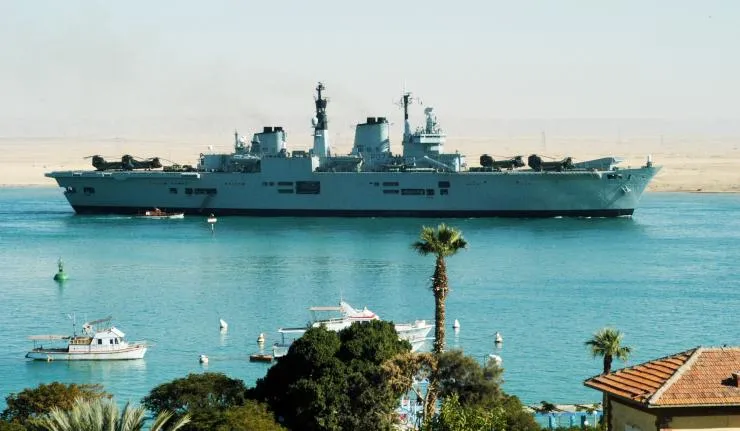
Brexit has far-reaching implications, affecting not only Britain's economic, social, and diplomatic relations, but its security and defense capacity as well. Yicheng Zhang argues that despite the UK's recent steps toward increasing military commitments in the east of Suez, a "global Britain" strategy may be untenable in the long-run.
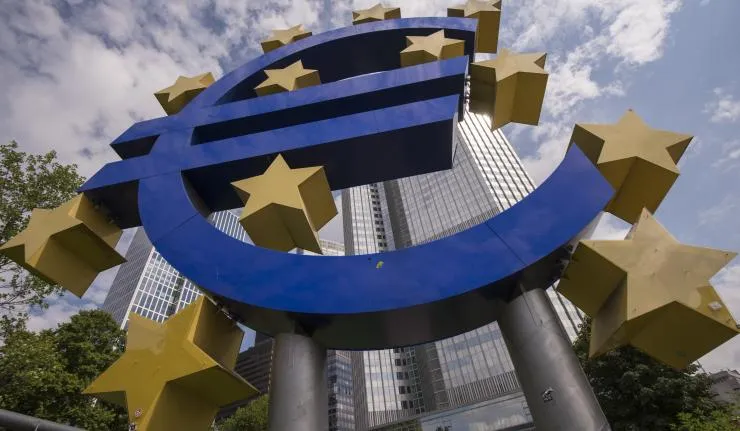
The 28 EU members states have recently agreed to work toward a sanctions mechanism in an attempt to deter future cyberattacks. Stefan Soesanto argues that such a mechanism will be dysfunctional from the get-go and might actually produce counter-productive results.