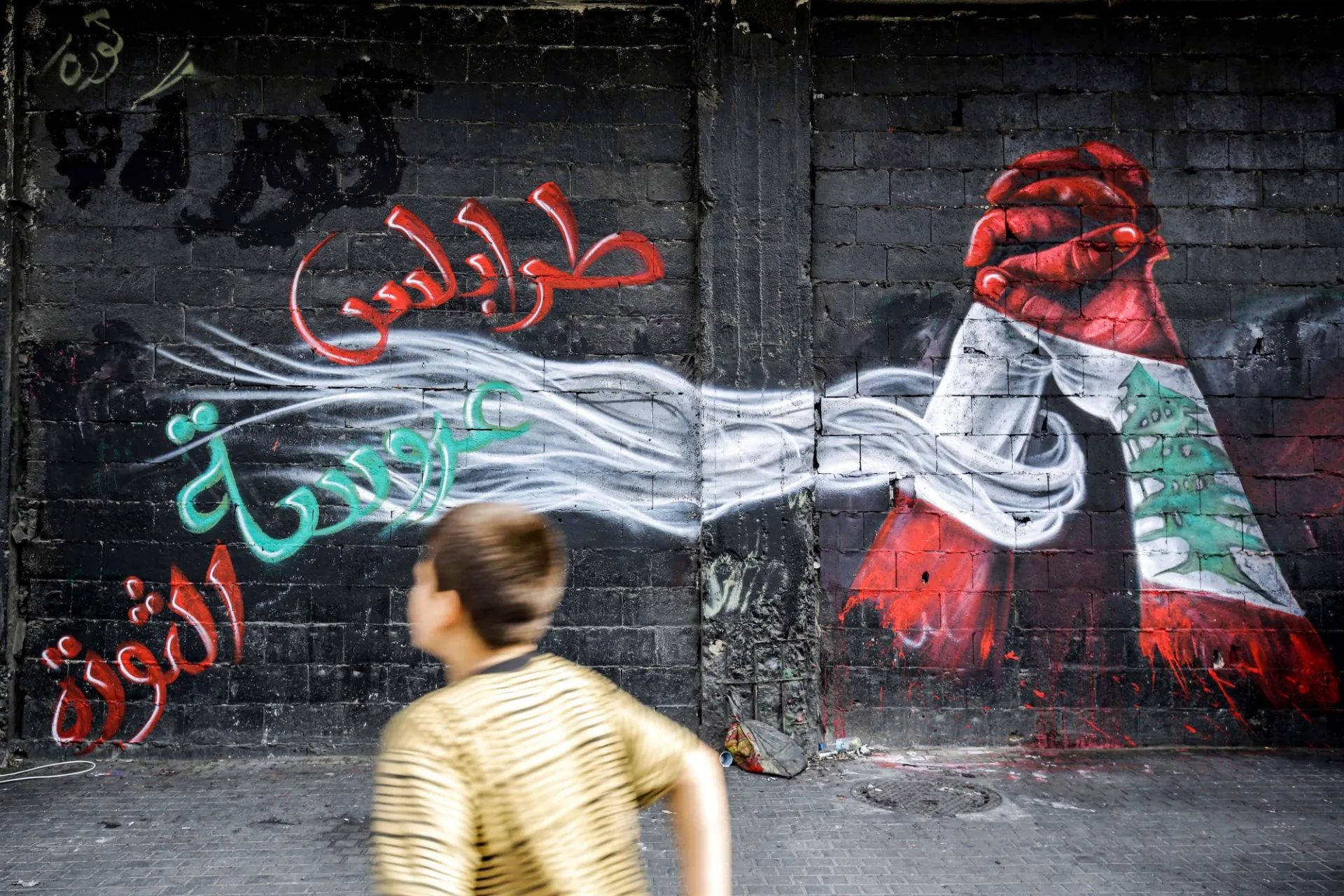
In 2023, the Syrian refugee crisis enters its twelfth year as one of the most devastating catastrophes of our time. This intractable conflict denies millions of Syrian children access to education; Syria will feel the effects of this outcome for generations. Neighbouring countries such as Lebanon continue to bear the heavy weight of its impact, deepening instability and chaos in a country with a defunct government on the brink of economic collapse. Although the readmittance of Syria to the Arab League occurred without any measures to hold the Assad regime accountable for its brutalities, war crimes,…

Over the last ten years, the United States has quietly carried out a bipartisan, private sector-led foreign policy program in support of Egypt, a strategic ally in the Middle East. Today, the Egyptian-American Enterprise Fund (EAEF) represents one of the most successful–but little discussed–U.S. economic assistance programs. Signed into law following the 2011 Egyptian revolution, EAEF played a key role in rebuilding Egypt’s private sector by seeding what are today the region’s top private equity and venture capital funds, mobilizing $1.4 billion in foreign direct investment (FDI) and expanding…
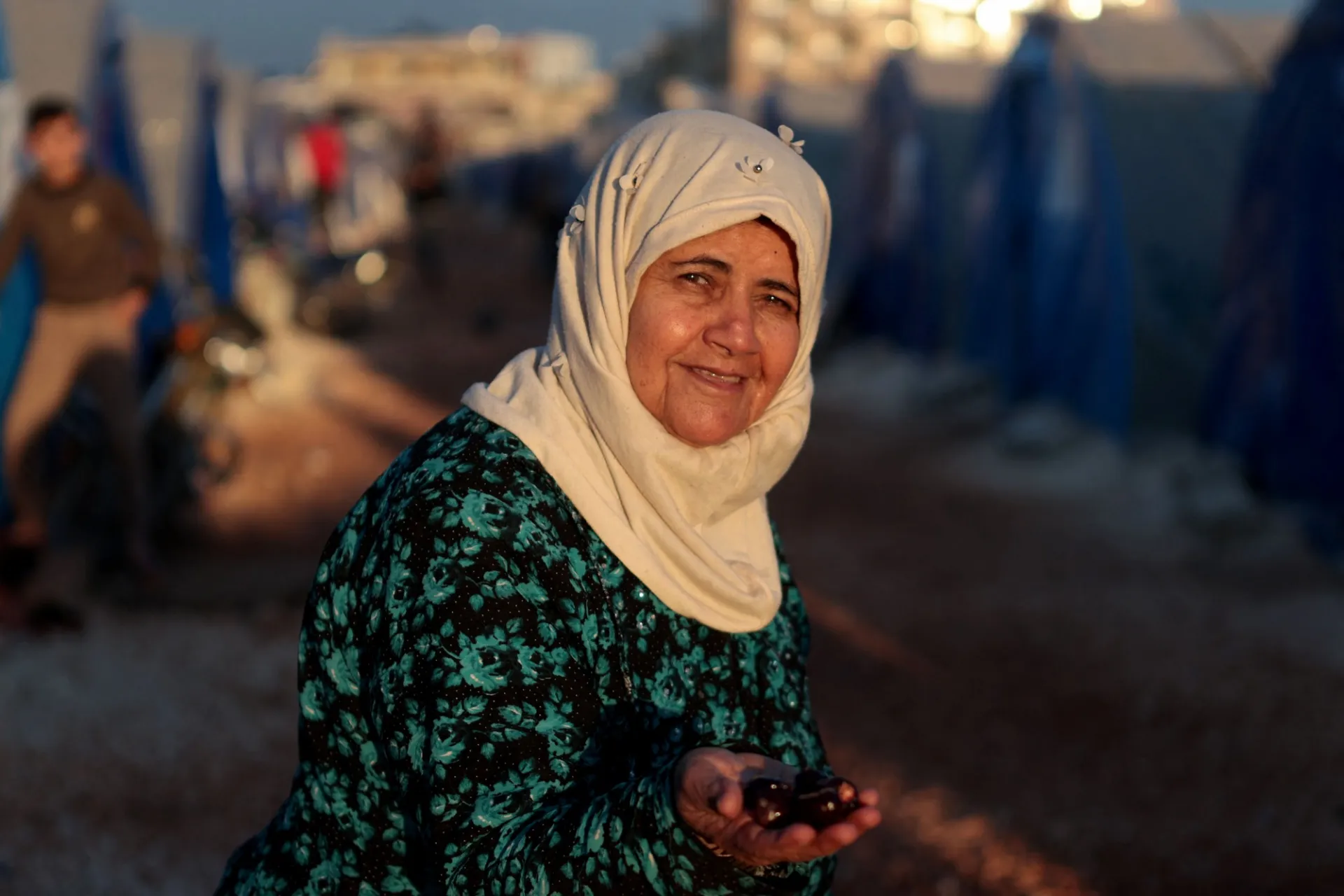
Nearly 12 years since the beginning of the Syrian civil war crisis, more than 6.7 million people continue to be internally displaced, with more than 5.4 million Syrian refugees registered as refugees in neighboring countries. Of the Syrians displaced globally, nearly two thirds are women, and despite anecdotal stories of individual survival and success, their circumstances remain dangerously precarious. Moreover, the views and lived experiences of Syrian refugee women are rarely incorporated in research, service provision, and policy design – a situation largely unchanged since…

The United States needs a more proactive industrial policy, especially as China ramps up its own investments in new and emerging technologies.
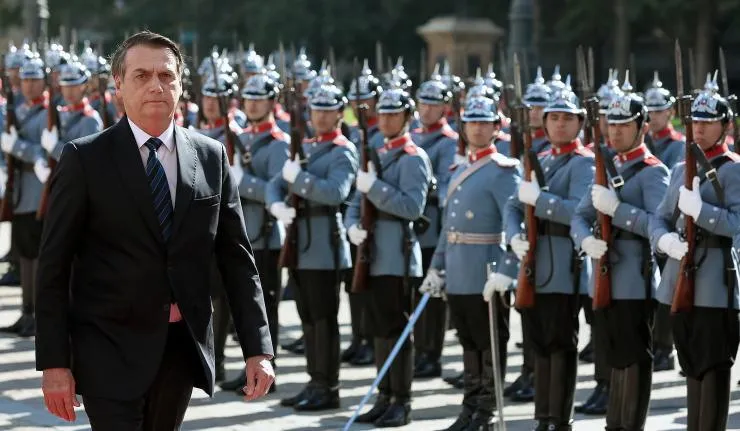
As the novel coronavirus pandemic spreads across Latin America, civilian leaders are asking the region’s militaries to increase their domestic duties, from enforcing curfews and sealing international borders to providing public healthcare. This essay provides a comparative analysis which reveals that with the COVID-19 outbreak, Brazil and Mexico – which between them contain over half the region’s population – as well as El Salvador, are increasingly vulnerable to military interference in politics.
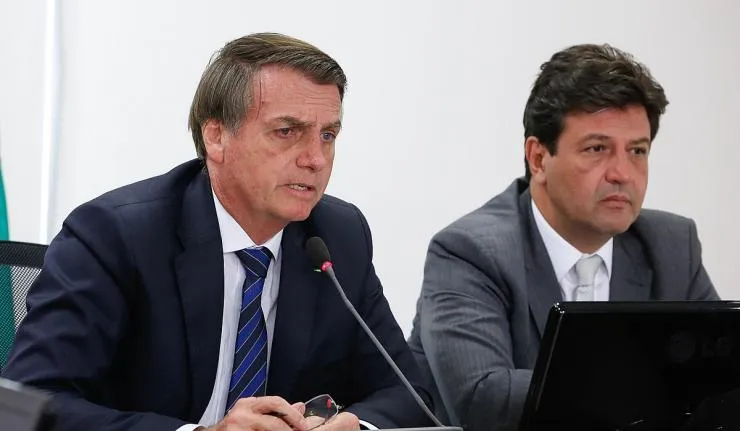
In the largest country in Latin American, the media has faced a major distraction in the coverage of COVID-19: the president of Brazil Jair Bolsonaro himself. A recent analysis of printed editions of ten newspapers from Brazil’s most populated state capitals shows that the attention has been divided between the health crisis and a political crisis caused by Bolsonaro’s actions that have no connection to the novel coronavirus.
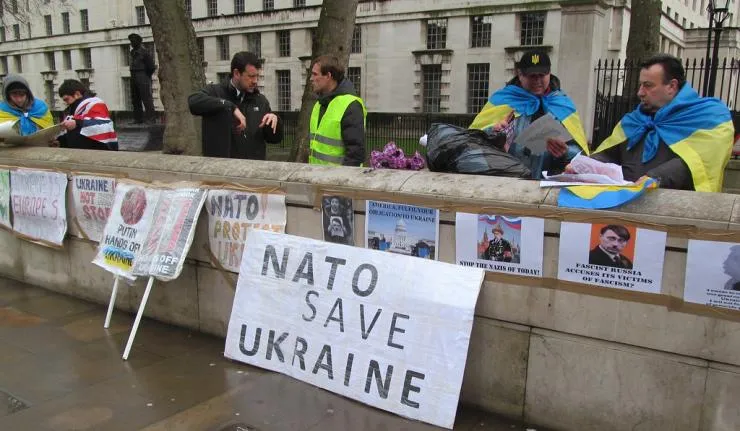
The COVID-19 crisis presents Ukraine with a unique opportunity to integrate further into the West. The crisis has weakened Russia’s position in the Donbas and has sparked key internal Ukrainian reforms that call for more robust action. An important first step should be Ukraine’s integration into the Three Seas Initiative. Second, Ukraine and the U.S. should negotiate the terms of a new relationship by designating Ukraine a Major Non-NATO Ally. Doing so will strengthen Ukraine’s democratic institutions, lift the economies of Central and Eastern Europe, and begin restoring American prestige…