



Climate change already drives hundreds of thousands to migrate from near-uninhabitable conditions in Small Island Developing States (SIDS). However, when international borders are crossed, environmental migrants fleeing the adverse effects of climate change are not yet automatically afforded legal protection under international law. The international law principle of non-refoulement offers a pathway to fill this legal protection gap for environmental migrants, but only if threshold requirements are met on a case-by-case basis. Importantly, the principle of the best interests of the child further…

By winning three world wars in the 20th century, the United States was able to design the world’s global architecture. But as America turns its back on that design, the world finds itself at a hinge in history and must plot the path forward. The world needs a UN 3.0.
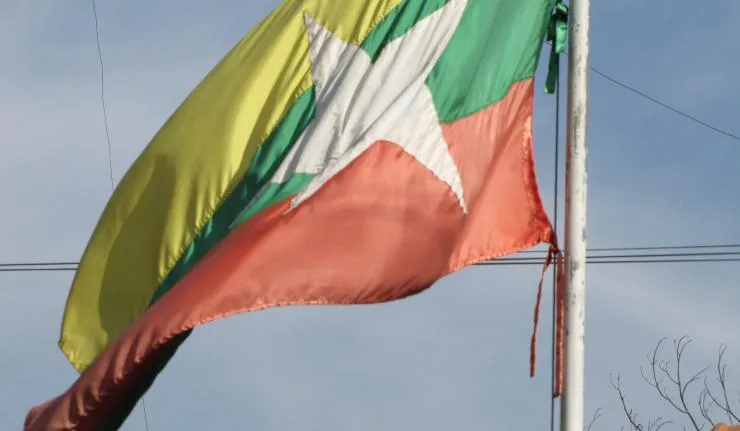
The military coup d’état in Myanmar in February, 2021 has posed unprecedented threats for human rights. Against the political turbulence, the U.N Special Procedure on the Situation of Human Rights Situation in Myanmar, one of the country-specific mandates of the Human Rights Council, is confronted with severe challenges in military brutality, denied access to victims, and the covid-19 pandemic. However, emerging opportunities can also be identified for Special Procedure to uphold human rights and pave the way for justice and remedies.
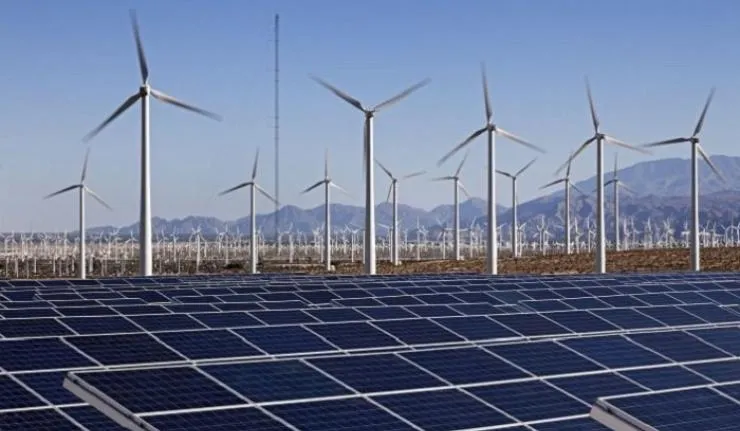
The COVID-19 pandemic has reaffirmed the oil and gas industry's fragility to external shocks and highlighted their renewable counterparts’ resiliency, stimulating more interest in shifting investments from fossil-based energy to renewable sources. While such a shift is ideal for sustainability, balancing it with economic growth in oil-producing, developing countries remains a complex challenge to navigate.
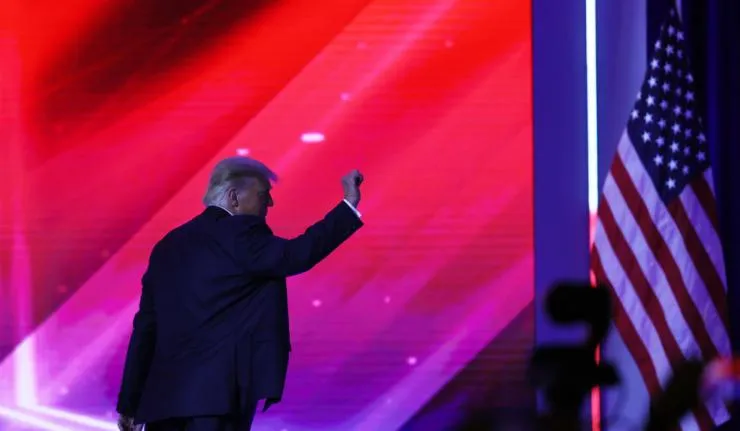
Calls to accelerate new foreign policy initiatives are premature. The global dynamics of the Trump legacy remain a serious constraint for President Biden’s agenda.
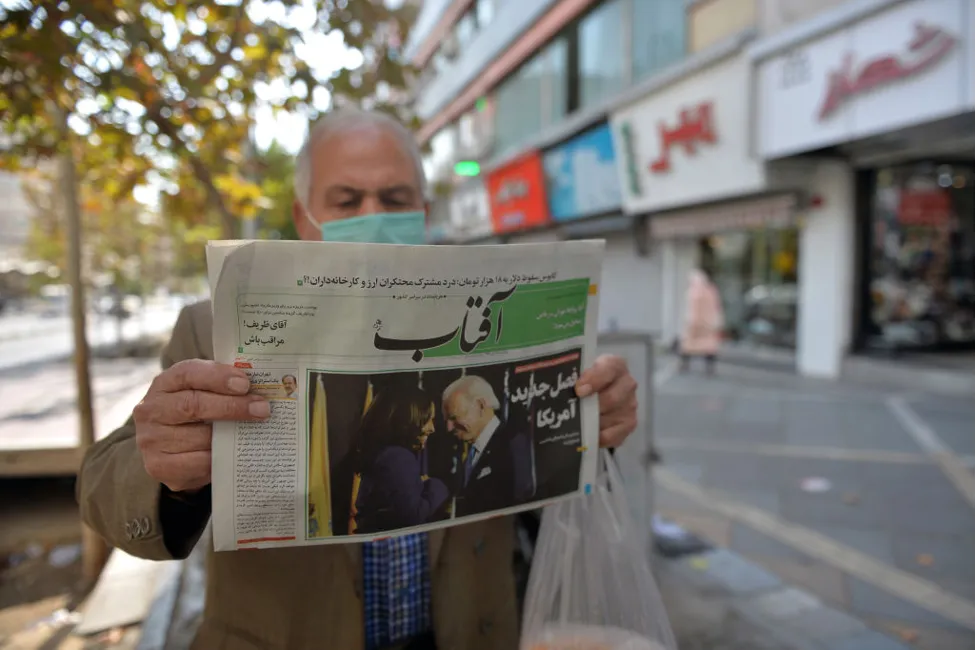
Barbara Slavin is the director of the Future of Iran Initiative and a nonresident senior fellow at the Atlantic Council, a lecturer in international affairs at George Washington University and a columnist for Al-Monitor.com, a website devoted to news from and about the Middle East. The Journal spoke with Ms. Slavin on the future of the U.S.-Iran relationship.
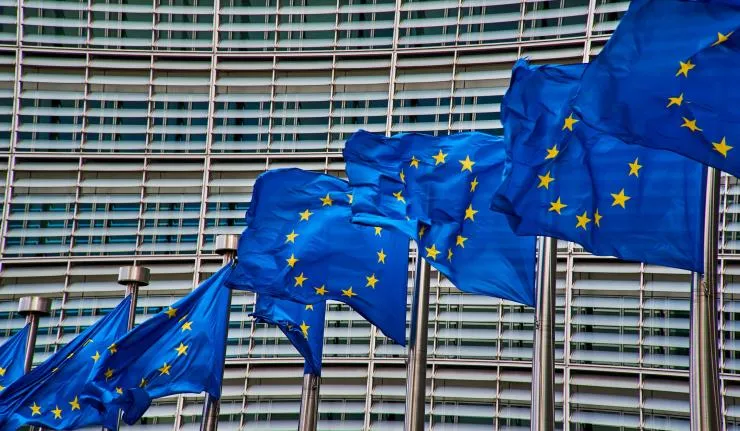
In September, the European Commission released its first Rule of Law Report. While the Report cannot be expected to single-handedly change the rule of law landscape of the European Union, it is a promising effort to monitor and react to rule of law violations. Most importantly, its release should be welcomed as a symbolic step towards instigating EU-wide dialogue.