
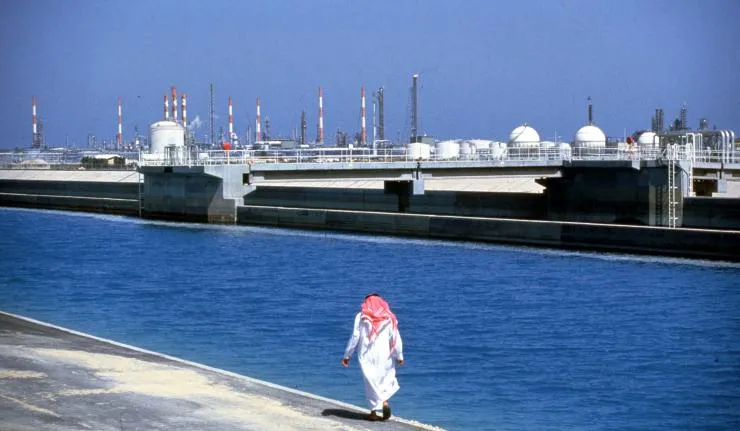
In light of the recent attack by a Saudi air force pilot at an American naval air base, it is crucial to reinvestigate the United States’ relationship with Saudi Arabia. Although President Trump placed no blame on the Saudi regime for this possible terrorist act, the three American lives that were taken as a result may be the catalyst for change in the nature of U.S.-Saudi relations.
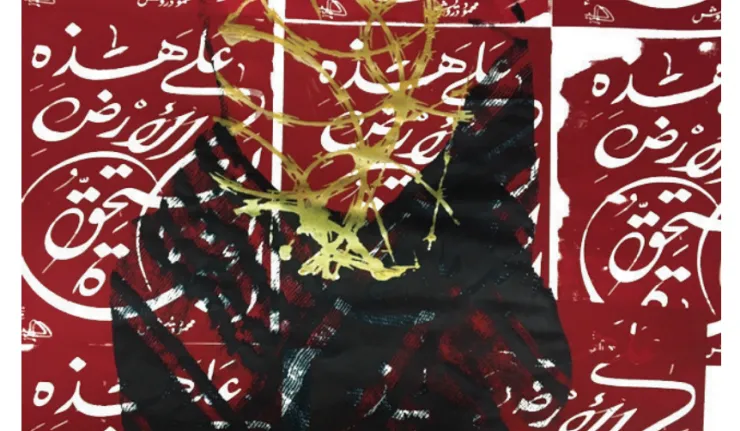
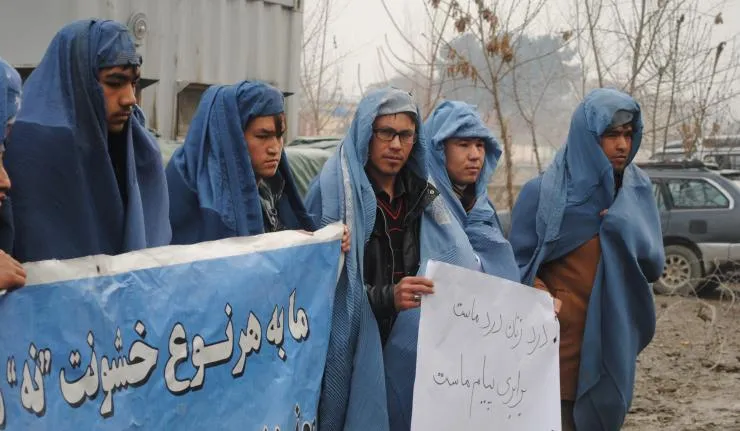
The conflict in Afghanistan, which has spanned 41 years, presents many complex issues with which policymakers must grapple. The human rights situation of Afghan women is prominent among these realities. The overt politicization of Afghan women, their rights, and their role within society can be traced back to 1978 when a coup d’état resulted in the fall of Daud Khan’s government, and commenced the bloody militarization of communist factions and mujahedeen. The subsequent history of Afghanistan’s ongoing war has intensified the exclusion of Afghan women from the social, political, and economic…
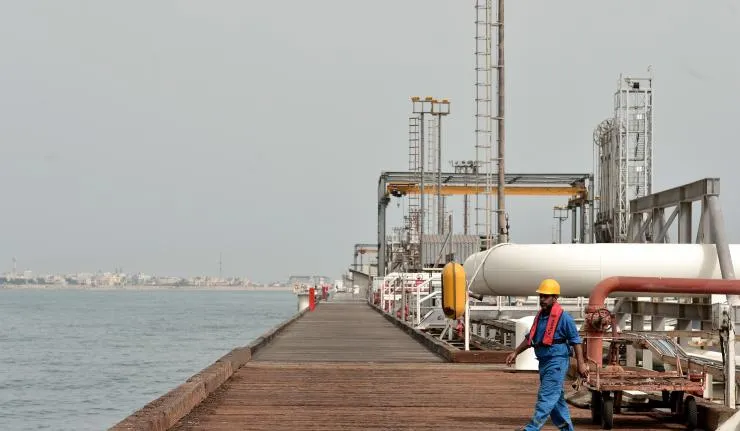
With economic sanctions becoming an increasingly popular political tool, Alexander Rustler argues that more attention must be paid to these sanctions’ longstanding ramifications on the environment. He does so by taking a closer look at the situation in Venezuela, Iran, and Russia.
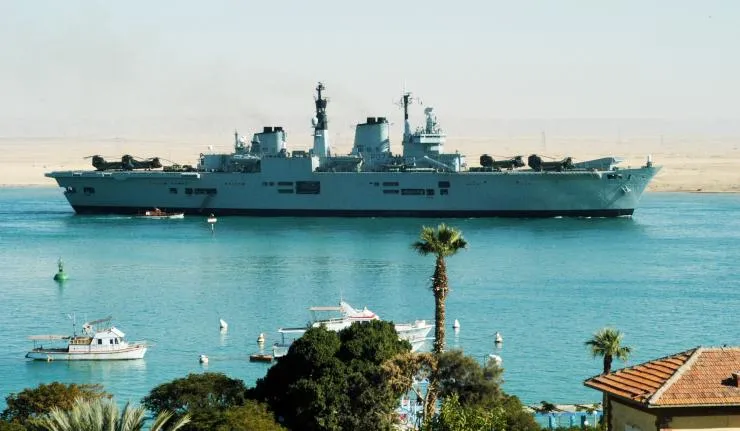
Brexit has far-reaching implications, affecting not only Britain's economic, social, and diplomatic relations, but its security and defense capacity as well. Yicheng Zhang argues that despite the UK's recent steps toward increasing military commitments in the east of Suez, a "global Britain" strategy may be untenable in the long-run.
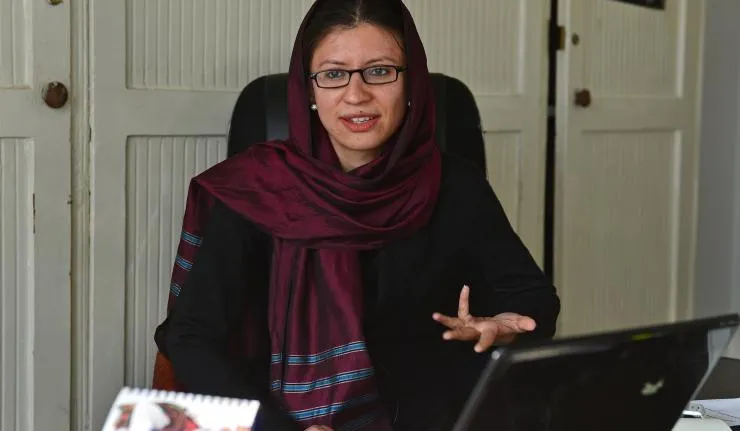
This interview first appeared in the Journal of International Affairs, Vol. 67, No. 1 in the Fall of 2013.
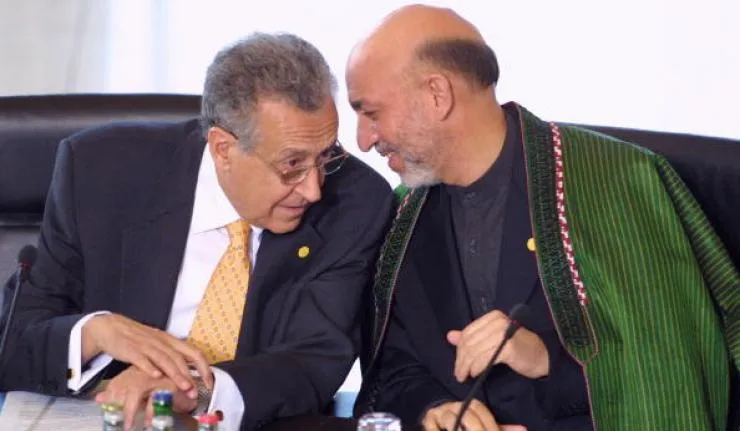
Lakhdar Brahimi is the Special Adviser to the Secretary-General and served as the UN Special Envoy in Iraq. Ambassador Brahimi led the United Nations Assistance Mission in Afghanistan and was entrusted with overall authority for the UN’s reconstruction activities there. Mr. Brahimi also served as Special Representative to Haiti and South Africa and directed special missions to a number of countries, including the Democratic Republic of the Congo, Yemen, Liberia, Nigeria, and Sudan. Mr. Brahimi was Minister for Foreign Affairs of Algeria and served as the Under-Secretary-General of the League…
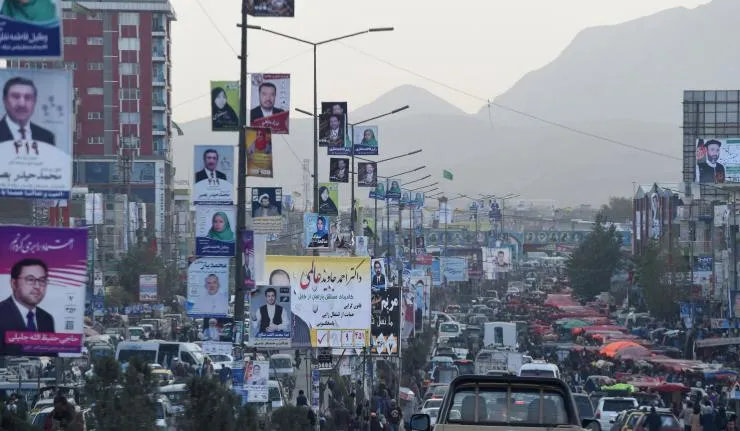
Robert D. Crews analyzes the impact that a growing young urban population and civil society will have on Afghanistan’s upcoming parliamentary elections. In a country rife with political instability, these new actors may have the power to shape the future.
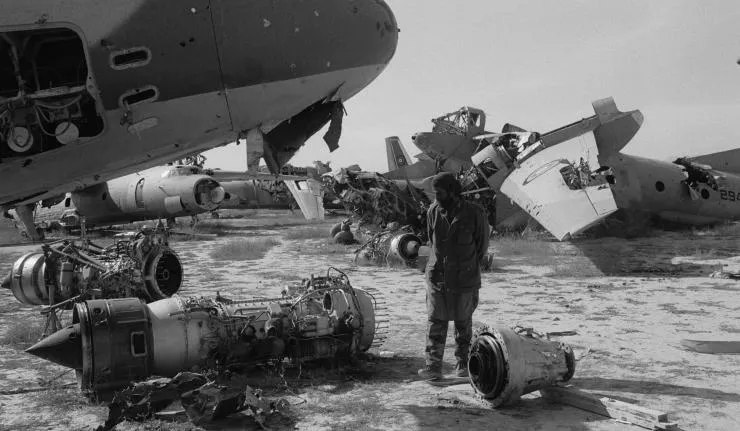
This article, by Barnett R. Rubin*, first appeared in the Journal of International Affairs, Vol. 66, No. 2 in the Winter of 1993. Rubin discusses the political destabilization in Afghanistan in the aftermath of the Cold War, as well as the role that the international community has, and should continue, to play in the region.
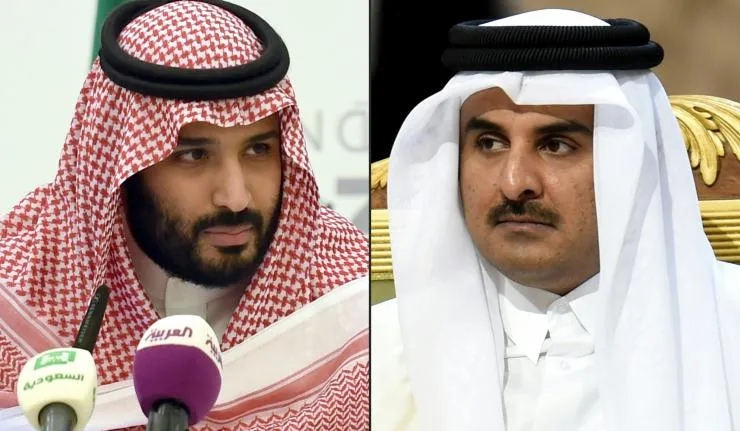
In the summer of 2017, Twitter bots—automated accounts—were deployed to boost messaging on both sides of the diplomatic dispute between Saudi Arabia and Qatar. Some appeared commercial, made available by users outside the Gulf region to anyone willing to pay for them. Others appeared locally focused. Together, such bot deployments significantly distorted Twitter traffic. The Gulf dispute showcases the range of different bots and their impact.
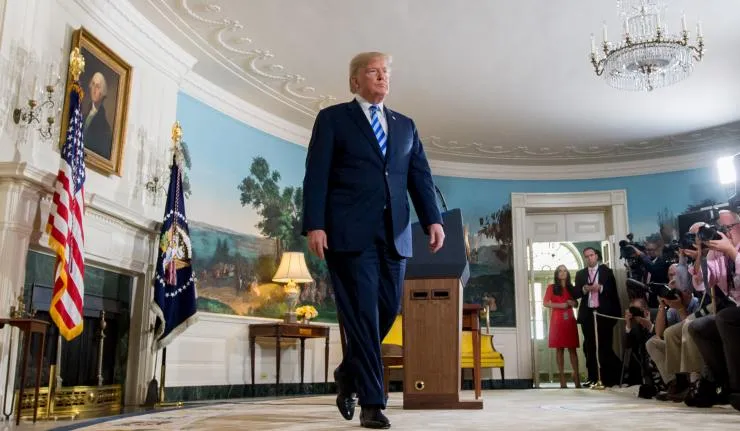
The Trump Administration has bracketed the previous Iran containment policy in favor of a confrontational approach based on coercive sanctions aiming to cripple the Islamic Republic and bring about a regime change. Reflected in the United States’ unilateral exit from the Iran nuclear deal, Trump’s Iran policy faces formidable challenges and is unlikely to succeed. Kaveh L. Afrasiabi and Nader Entessar highlight the deep flaws in Trump’s Iran policy and call for the resumption of dialogue between the United States and Iran as an alternative to the present hostile climate between the…
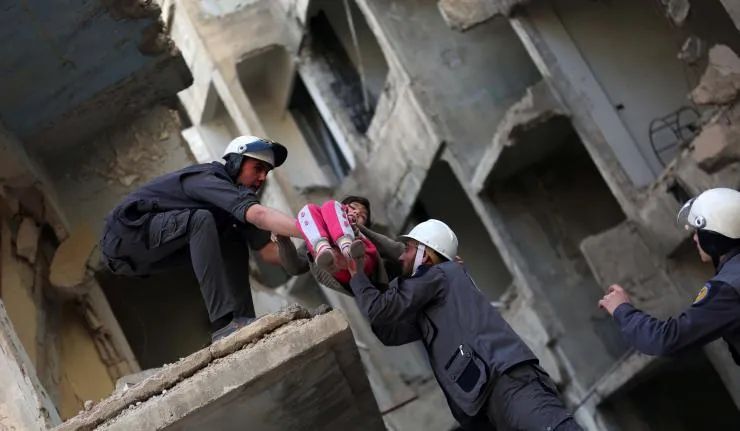
The White Helmets, a group of emergency response volunteers, have received international acclaim for their heroic work in the Syrian civil war. On 21 July 2018, approximately 422 White Helmet volunteers and their families were successfully evacuated from Syria by the Israel Defense Forces. Vageesh Jain argues that future evacuations of aid workers at imminent risk would be catastrophic for the health of the Syrian population.