

The United States needs a more proactive industrial policy, especially as China ramps up its own investments in new and emerging technologies.
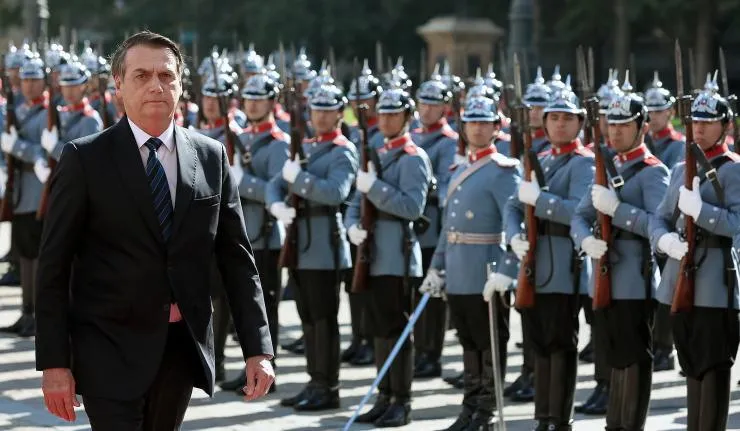
As the novel coronavirus pandemic spreads across Latin America, civilian leaders are asking the region’s militaries to increase their domestic duties, from enforcing curfews and sealing international borders to providing public healthcare. This essay provides a comparative analysis which reveals that with the COVID-19 outbreak, Brazil and Mexico – which between them contain over half the region’s population – as well as El Salvador, are increasingly vulnerable to military interference in politics.
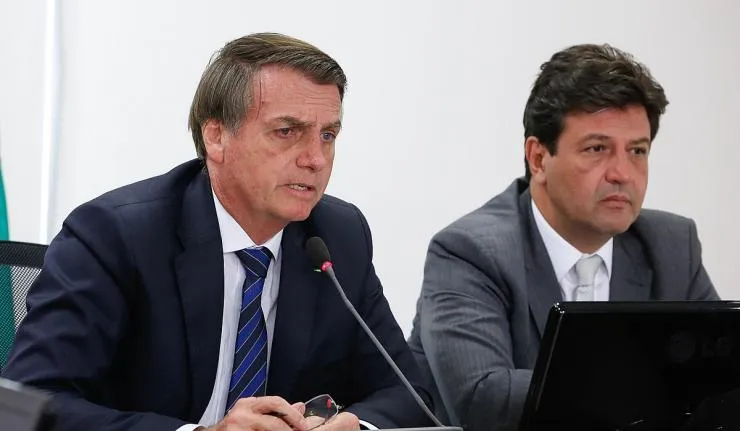
In the largest country in Latin American, the media has faced a major distraction in the coverage of COVID-19: the president of Brazil Jair Bolsonaro himself. A recent analysis of printed editions of ten newspapers from Brazil’s most populated state capitals shows that the attention has been divided between the health crisis and a political crisis caused by Bolsonaro’s actions that have no connection to the novel coronavirus.
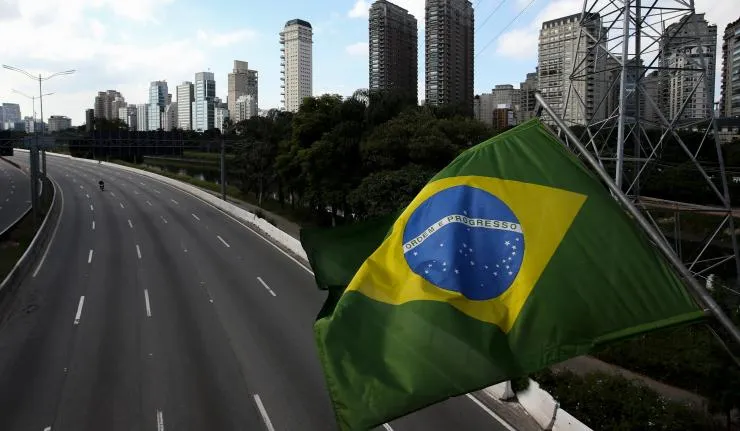
In developing economies, the COVID-19 crisis will be a catalyst for technology-enabled solutions, and for FinTech in particular. It has been a year since Brazil began to regulate its use of positive data in credit scores, and this has provided a useful lesson for how smarter scores can impact credit dynamics and their limitations.

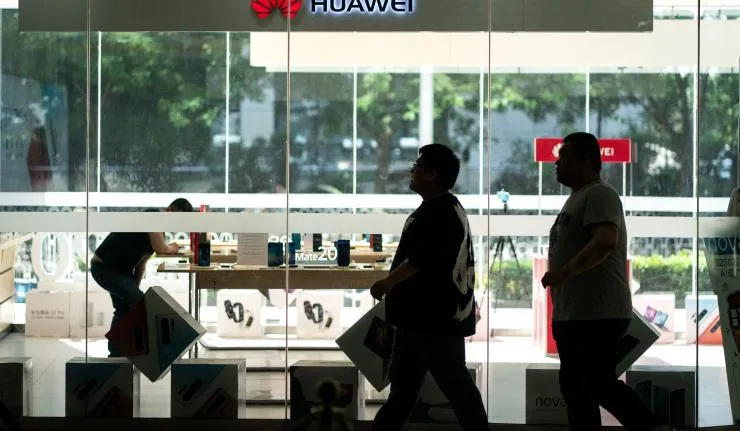
Despite rising tensions, the United States and China must find a way to foster cooperation and mutually beneficial collaboration. This will take increased transparency, new bilateral agreements, and active efforts to combat technological protectionism.
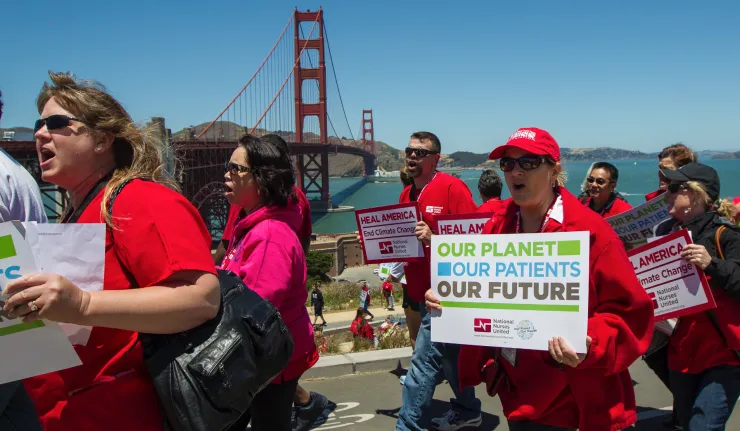
Michael J. Sangiacomo, Recology President & Chief Executive Officer, leads innovative recycling, composting, and recovery programs in Washington, Oregon, and California. Recology investments and innovation technology have positioned Mr. Sangiacomo as a leading voice on national recycling, composting, and recovery programs. The Journal of International Affairs spoke with Mr. Sangiacomo about various successes and challenges he has encountered in his quest to make San Francisco one of the leading zero waste cities in the world.
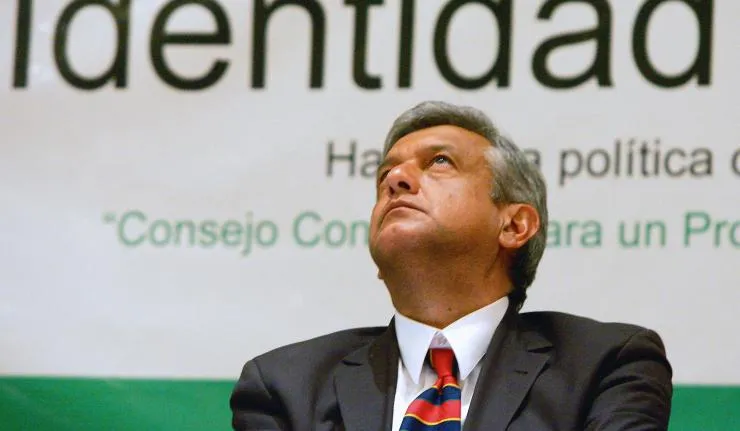
Mexican president Andrés Manuel López Obrador came to power looking to redefine the Mexican people’s relationship with their government. His first act was an overhaul of the country’s intelligence service. But against a backdrop of growing domestic and international security challenges, the reform is beginning to look like a missed opportunity.
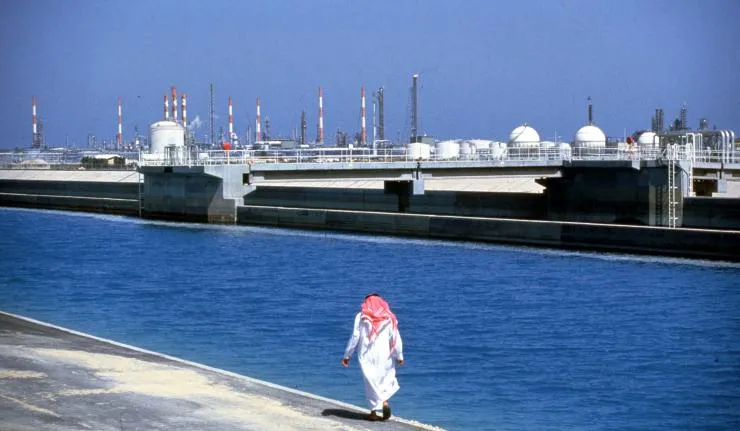
In light of the recent attack by a Saudi air force pilot at an American naval air base, it is crucial to reinvestigate the United States’ relationship with Saudi Arabia. Although President Trump placed no blame on the Saudi regime for this possible terrorist act, the three American lives that were taken as a result may be the catalyst for change in the nature of U.S.-Saudi relations.
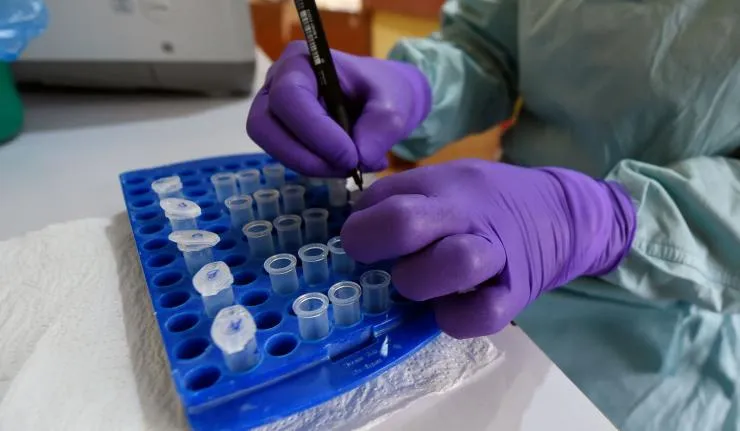
Every U.S. President in recent decades has had to respond to at least one pandemic disease. Political leadership has proven decisive. In the coming years, U.S. foreign policy will face at least three inter-related issues: today’s major pandemics of AIDS, TB, and Malaria; future outbreaks with the potential to become pandemics; and rising risk from infectious diseases associated with climate change. A review of epidemiologic data shows global progress on each issue is threatened. A coordinated U.S. effort, across agencies and engaged with national and multilateral partners, could save lives and…