
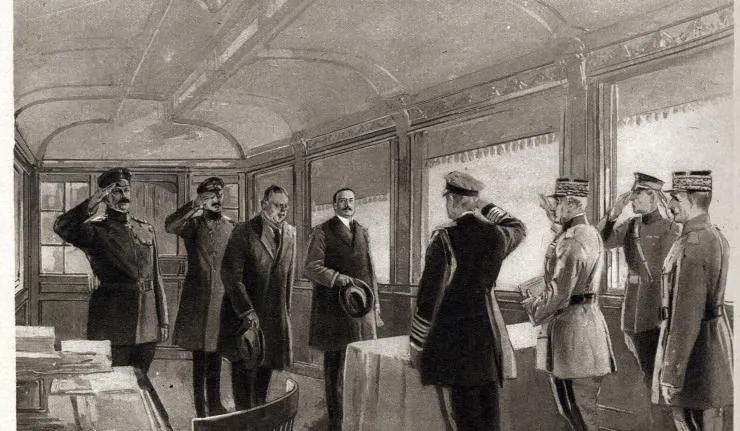
The epoch-making failure of the Versailles conference to address legitimate Chinese concerns and reconstitute Chinese sovereignty over Shandong unleashed social energies that continue to shape the Chinese worldview today. Yet it is exactly the historical lesson from the Shandong incident and the inalienable philosophical psyche of Shandong that can be a source of immense inspiration and stimulate creative action at a time of a dangerous Sino-US diplomatic quandary.
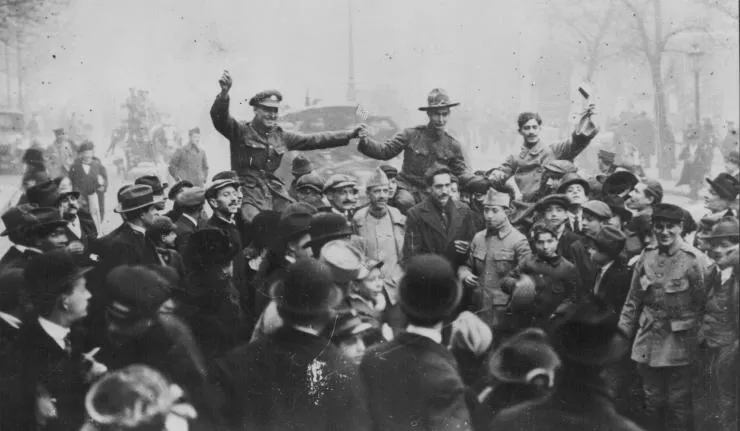
This article first appeared in the print edition of the Journal of International Affairs, Spring 1977.
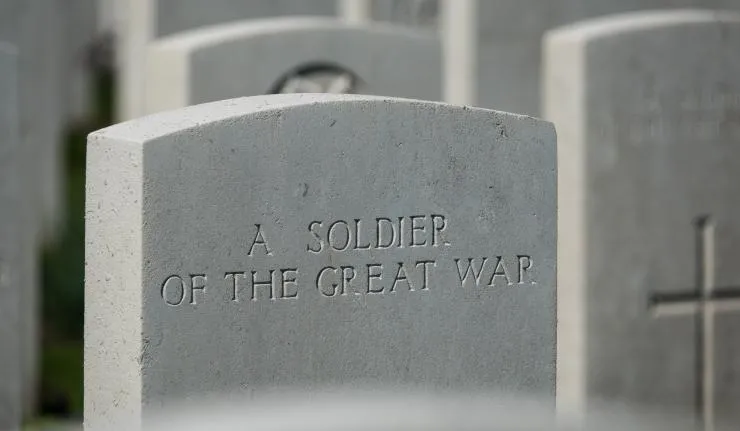
Professor Richard K. Betts reflects on lessons learned since the Great War and its continuing relevance in today’s foreign policy. With the possibility of a new Cold War on the rise, what can we learn from the past?
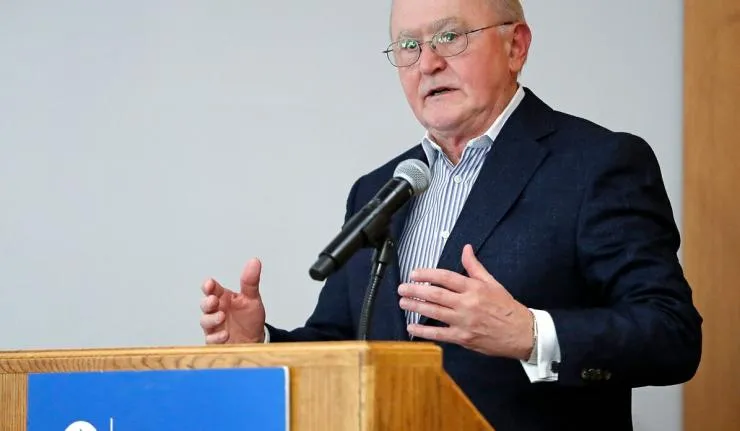
On 25 October 2018, Professor John Ruggie delivered the 10th Annual Kenneth N. Waltz lecture at Columbia University's School of International and Public Affairs. We reproduce his lecture below in its entirety.
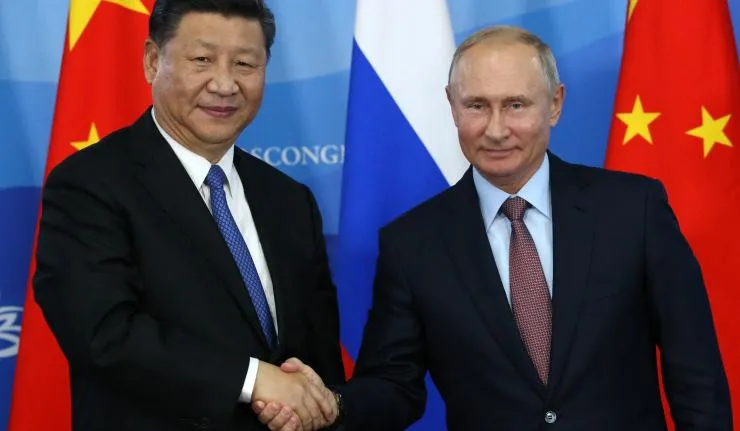
Tensions with the West since 2014 have contributed to Russia’s attempt to “pivot East” and coordinate with China on providing energy supplies. China is already Russian oil’s biggest customer, and in 2019 importing Siberian gas thanks to the massive “Power of Siberia” pipeline. But how far will Russia-China cooperation work? What are the risks for Russia? Will it become an “energy appendage” of Beijing? Ernesto Gallo and Bruno Sergi examine the changing dynamics of the relationship between Russia and China.
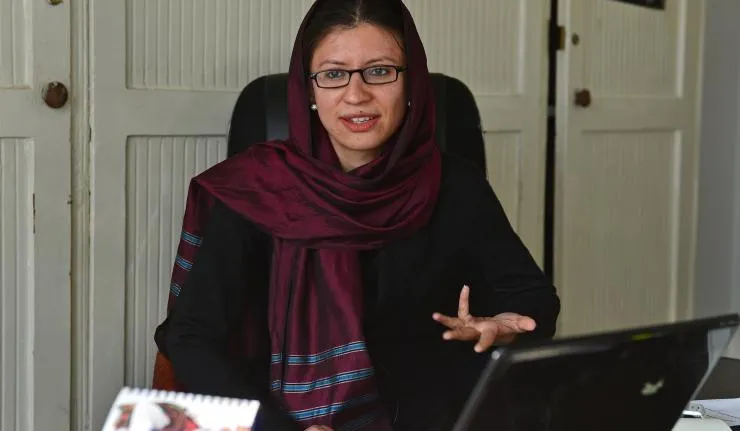
This interview first appeared in the Journal of International Affairs, Vol. 67, No. 1 in the Fall of 2013.
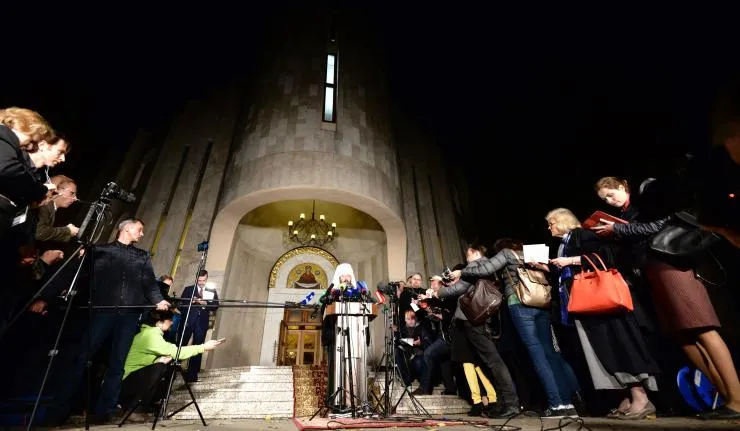
The Russian Orthodox Church announced on 15 October 2018 that it would break communion with the leader of Eastern Orthodoxy, the Ecumenical Patriarchate of Constantinople, over the decision to grant the Ukrainian Orthodox Church independence from the Moscow Patriarchate since coming under its control in 1686. The historic schism has implications beyond religious practice as political leadership in Kiev and the Kremlin connected the decision to foreign policy considerations. Amy Fallas argues that the geopolitical dimensions of the Orthodox crisis and the agency of ecclesiastical actors underscores…
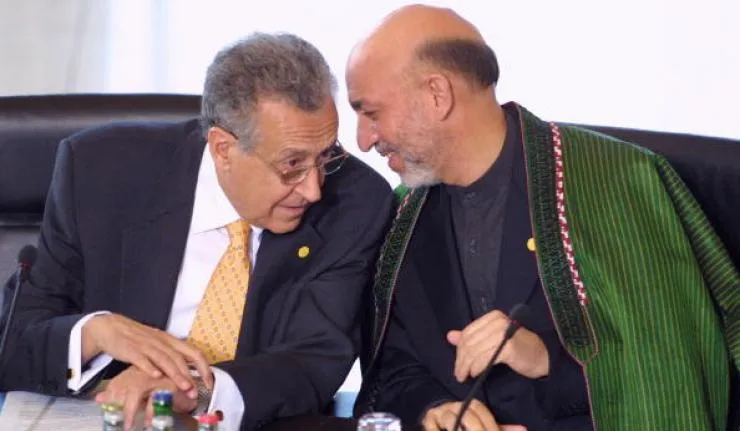
Lakhdar Brahimi is the Special Adviser to the Secretary-General and served as the UN Special Envoy in Iraq. Ambassador Brahimi led the United Nations Assistance Mission in Afghanistan and was entrusted with overall authority for the UN’s reconstruction activities there. Mr. Brahimi also served as Special Representative to Haiti and South Africa and directed special missions to a number of countries, including the Democratic Republic of the Congo, Yemen, Liberia, Nigeria, and Sudan. Mr. Brahimi was Minister for Foreign Affairs of Algeria and served as the Under-Secretary-General of the League…
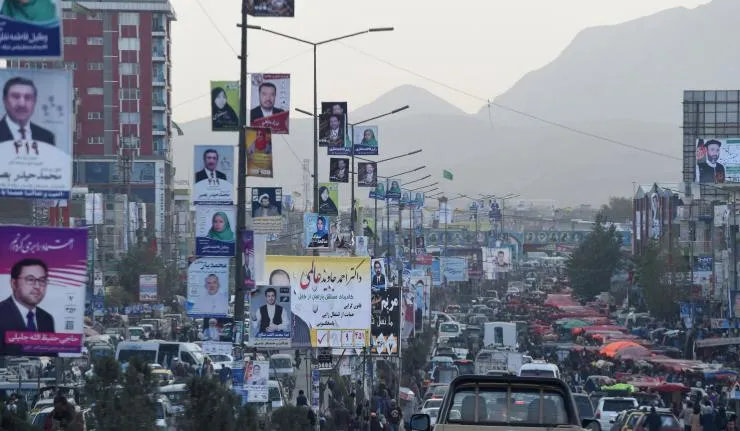
Robert D. Crews analyzes the impact that a growing young urban population and civil society will have on Afghanistan’s upcoming parliamentary elections. In a country rife with political instability, these new actors may have the power to shape the future.
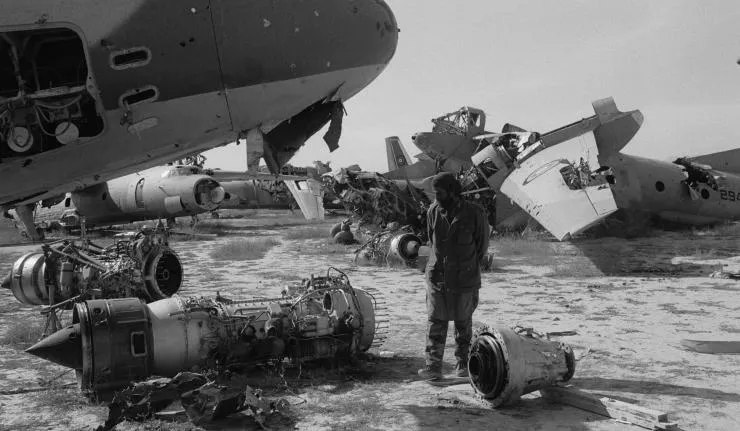
This article, by Barnett R. Rubin*, first appeared in the Journal of International Affairs, Vol. 66, No. 2 in the Winter of 1993. Rubin discusses the political destabilization in Afghanistan in the aftermath of the Cold War, as well as the role that the international community has, and should continue, to play in the region.
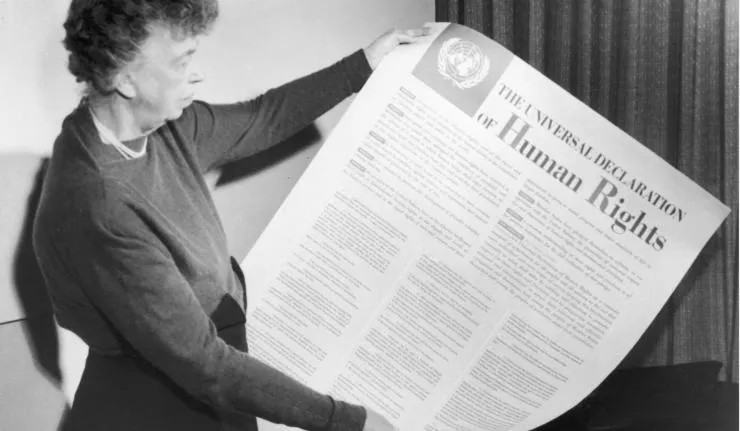
This article originally appeared in the Journal of International Affairs' Special 70th Anniversary Issue in 2017.
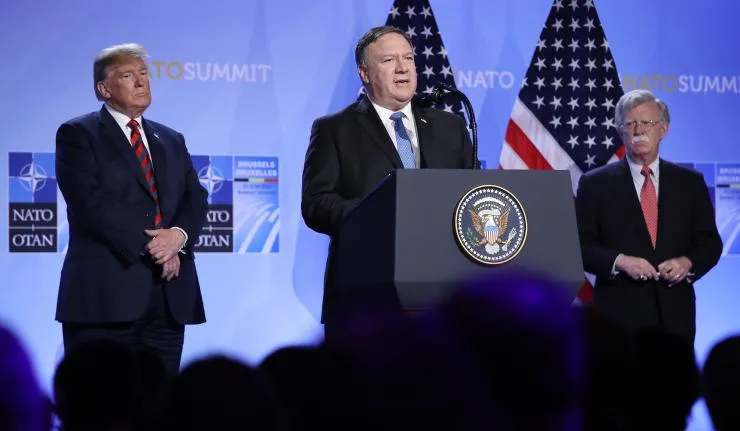
Michal Bokša and Caitlyn Hendricks-Costello examine the recent U.S. turn toward "politics of force" and its potential long-term ripple effects for NATO and NAFTA. With a look back at Moscow in the 1980s, they argue that the White House is expending international political capital at an unsustainable rate, to a point that U.S. global influence may be compromised well beyond the current administration.