
Law and politics work in a variety of ways across the Somali territories, and differ significantly. This article negotiates the difference and distance between lawlessness and a failed state, specifically pertaining to Somalia and ultimately discussing the common threads that are shared within these differing arrangements. Factors such as the continued relevance and influence of customary law. Finally, the article examines the realities of nation and state-building arguing that the state under Said Barre was predatory, invasive and strangling for numerous sectors. The article explores arguments…
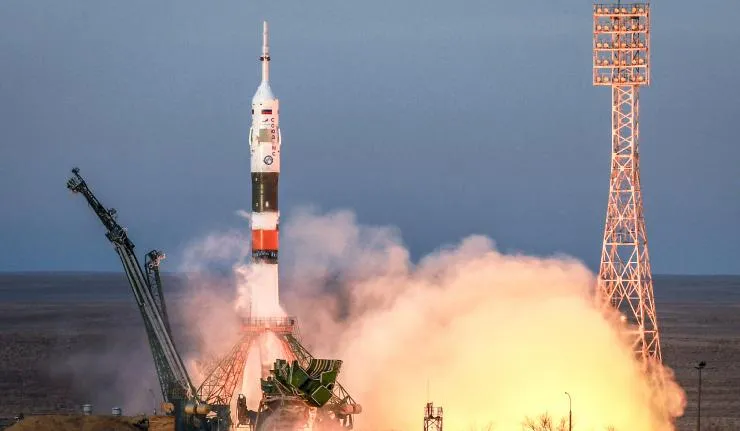
2018 marks the fiftieth anniversary of the first UNISPACE conference where 78 Member States met to discuss the vast potential of space science and technology, and its applications. Simonetta Di Pippo is Director of the United Nations Office of Outer Space Affairs (UNOOSA), the body responsible for promoting international co-operation in the peaceful uses of outer space.

Migration is polarizing societies around the globe and has become one of the most important political cleavages of our times. We spoke with Michael Doyle, the Director of the Columbia Global Policy Initiative and co-director of its International Migration project, about the challenges of migration in current times. In 2015, Doyle helped develop the Model International Mobility Convention which represents a shared framework among over 40 academics. It serves the ambitious goal of creating a holistic, rights- respecting governance regime for all aspects of international migration.
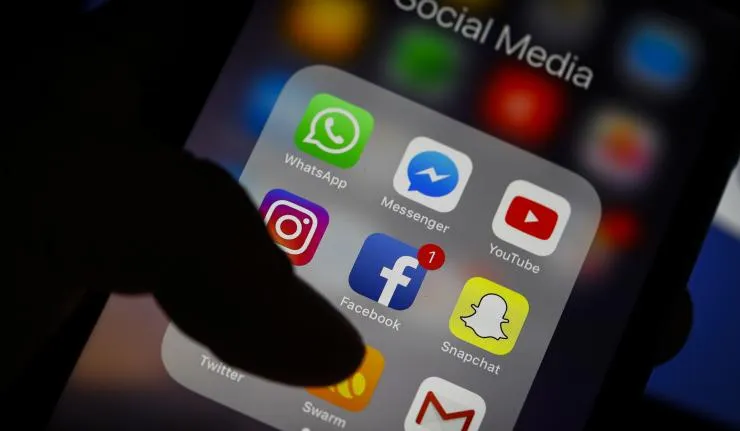
Social media and the Internet play an important role in the proliferation of hateful and extreme speech. Looking to contemporary networks of digitally mediated extreme right-wing communication, this essay explores the form, dynamics, and potential governance of digital hate culture. It focuses on the cultural practices and imagination present in the networks of digital hate culture to illuminate how two frames, the Red Pill and white genocide, unify the different groups that take part in these networks. After providing a high-level overview of these networks, this essay explains three formal features…
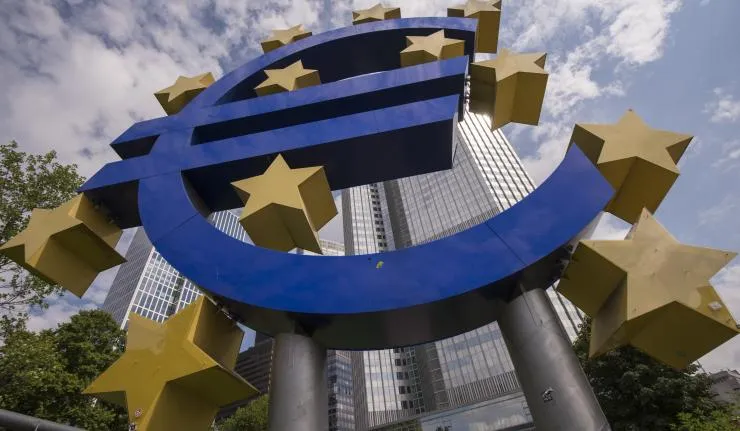
The 28 EU members states have recently agreed to work toward a sanctions mechanism in an attempt to deter future cyberattacks. Stefan Soesanto argues that such a mechanism will be dysfunctional from the get-go and might actually produce counter-productive results.
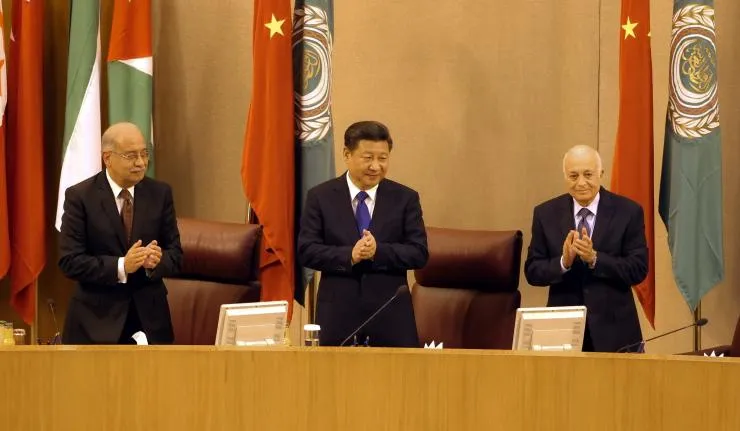
The United States remains the largest arms dealer in the Middle East, but over the past four decades China has emerged as a “Plan B” to meet arms demand in the region. Al Saud discusses how China’s win-win approach to economic diplomacy has bolstered its arms trade and argues that the Arab World may have found a willing partner for years to come.

The upcoming G-20 summit in Argentina prioritizes the future of work, searching for ways to meet the challenges of a digitized economy. Francisco Rivera-Batiz analyzes the economic and policy implications of increasing automation on the labor market.
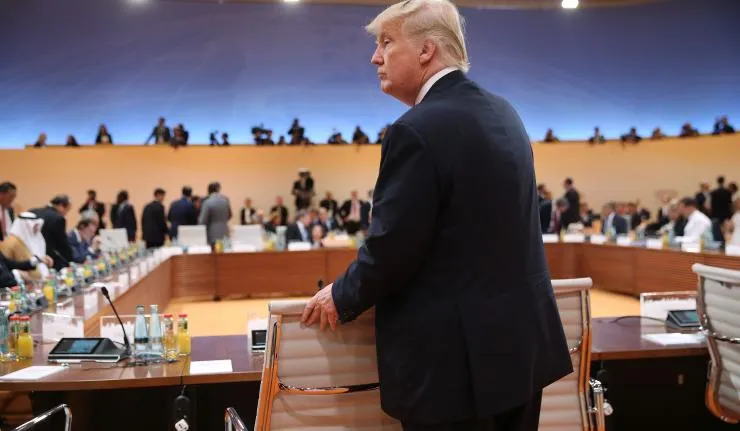
It has been ten years since the Group of Twenty (G20) became the world’s premier forum for global economic cooperation. Arguably, it has had a successful decade. Yet, instead of celebrations, the G20 is now facing its toughest test yet: can it survive, and more importantly have meaning, in a zero-sum world?
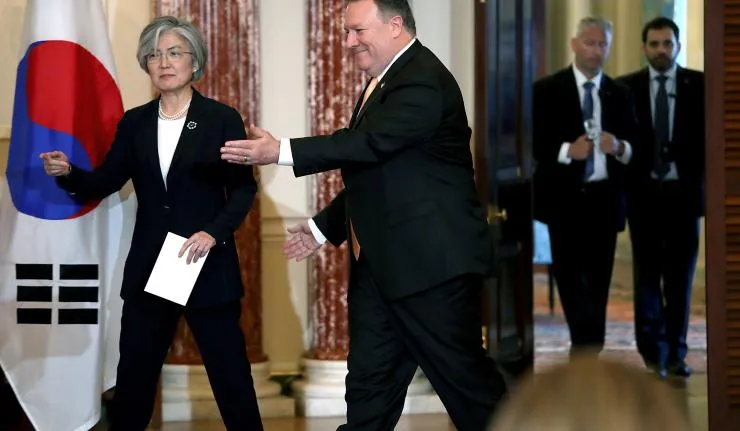
As a trade war mounts between the United States and China, South Korea has found itself caught in the middle. Seunghyun Han assesses the ways in which South Korea can mitigate risks to its export-oriented economy and use the trade war as impetus to pursue new market opportunities, particularly in Latin America.
This article first appeared in the print edition of the Journal of International Affairs, Winter 1992.
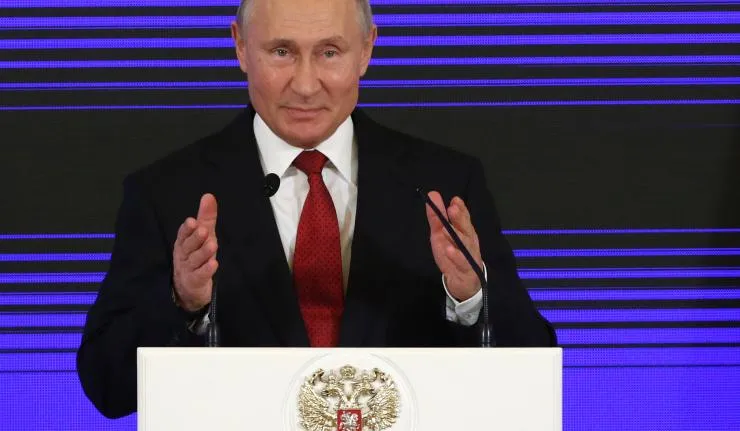
A decade ago, influential Russian analysts concluded that the emergence of a multipolar world was inevitable, and that Russia could benefit from this transition by adopting a strategy that combined great power realism and “traditional” Russian values.This strategy, first elaborated in Vladimir Putin’s Valdai Speech of 2013, has since come to be known as “civilizational realism.” This essay describes how, through civilizational realism, Russia hopes to forge a new, and more ‘congenial’ world order.