
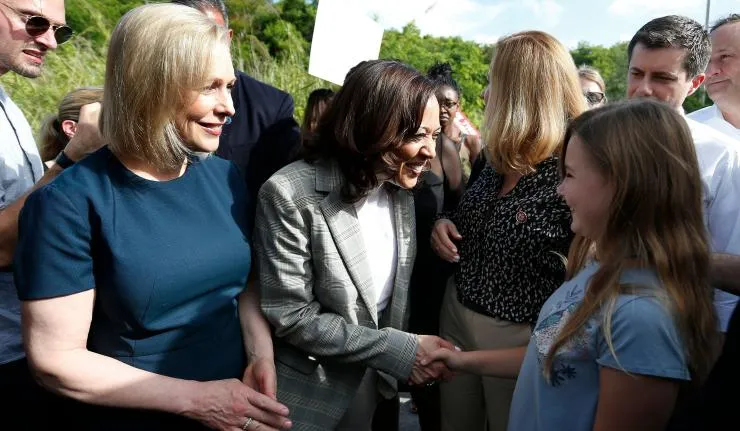
Nearly one hundred years since obtaining the right to vote, women in America have steadily seen hard-fought gains in political representation. Yet the highest office in the land, the American presidency, has eluded more than 200 women who have sought the Oval Office.1 The 2020 election may change this reality forever, as, for the first time, five highly qualified women are running for the presidency. A win by any of these leaders would bring the nation one step closer to its promise of representative democracy, and would have tremendous implications for representation and governance in both…
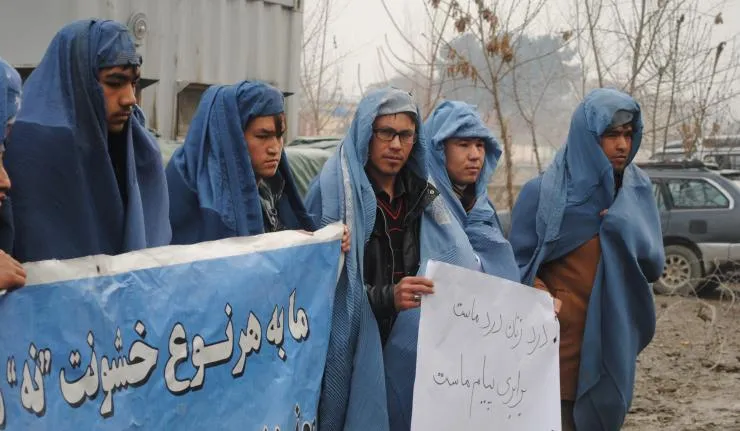
The conflict in Afghanistan, which has spanned 41 years, presents many complex issues with which policymakers must grapple. The human rights situation of Afghan women is prominent among these realities. The overt politicization of Afghan women, their rights, and their role within society can be traced back to 1978 when a coup d’état resulted in the fall of Daud Khan’s government, and commenced the bloody militarization of communist factions and mujahedeen. The subsequent history of Afghanistan’s ongoing war has intensified the exclusion of Afghan women from the social, political, and economic…
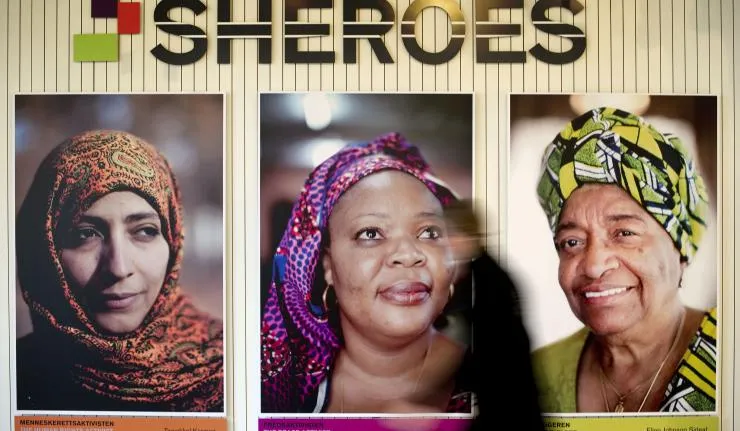
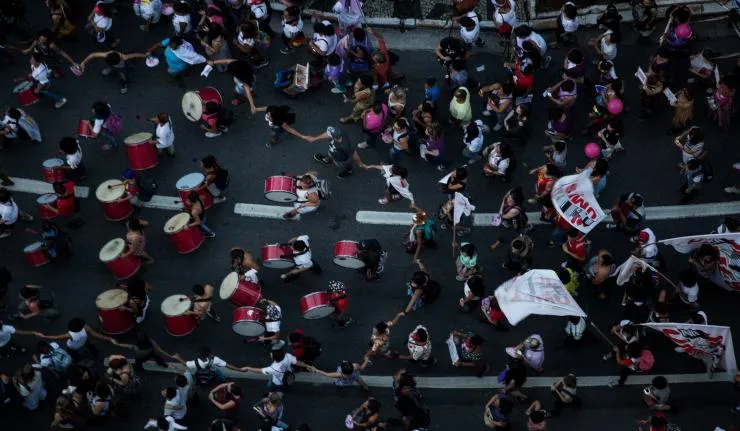
This article appeared in the Dynamics of Global Feminism issue in Spring/Summer 2019.
A Review of Governance Feminism: Notes from the Field By Janet Halley, Prabha Kotiswaran, Rachel Rebouché and Hila Shamir, Editors (Minneapolis: University of Minnesota Press, 2019), 599 pages.
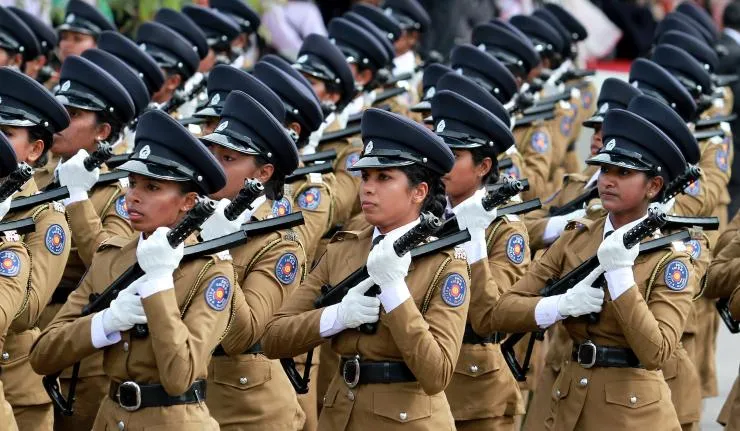
Nimmi Gowrinathan, Founder and Director of the Politics of Sexual Violence Initiative and Visiting Professor at Columbia University, studies conflict and its impact on women’s political identities. The Journal of International Affairs spoke to Professor Gowrinathan about her research on gender identities in regions of conflict, female fighters and sexual violence.
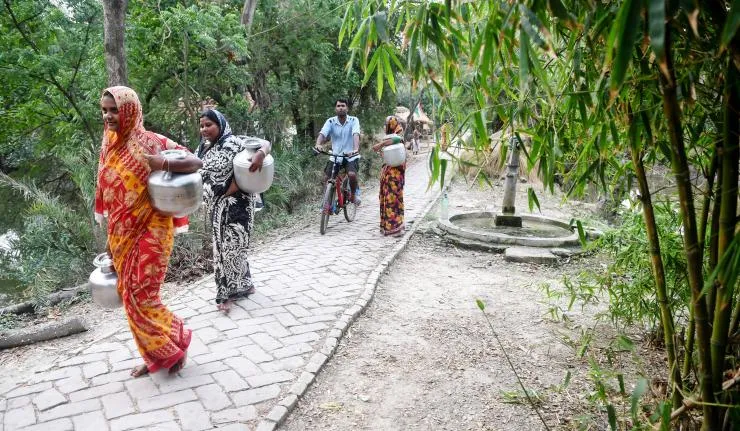
India is considered to be one of the most vulnerable countries to climate change, and is facing impacts on the environment and its people from projects across sectors. This article addresses the role of the country’s financial sector in mitigating these impacts through environmental and social risk management practices in project financing.
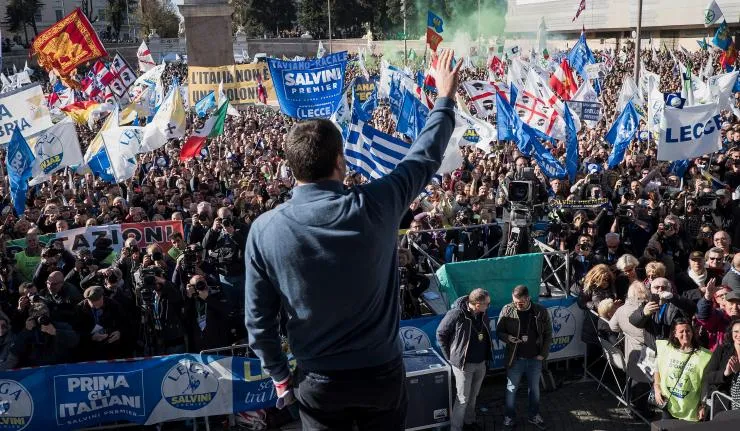
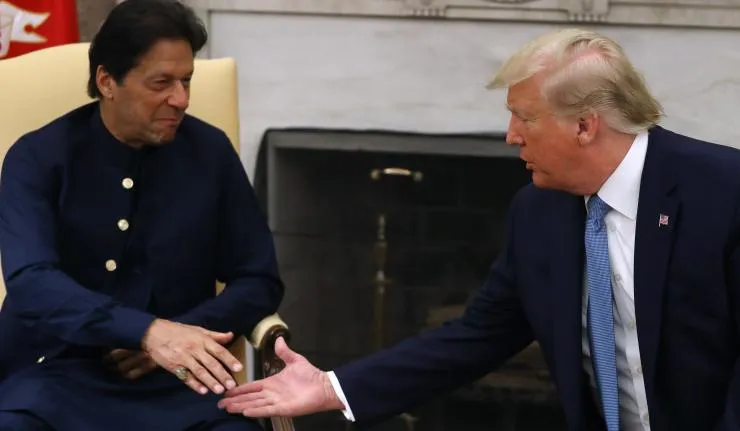
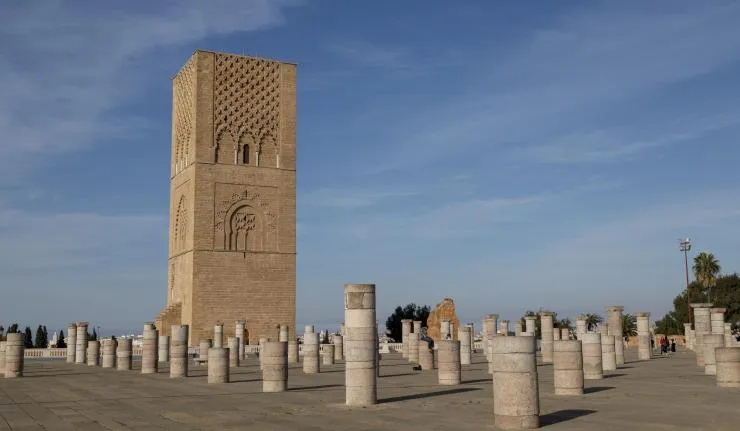
The 20th anniversary of the reign of King Mohammed VI of Morocco is a timely opportunity to analyze the interaction between the kingdom and its diplomatic counterparts, in particular how Morocco approaches its diplomatic relations. The concepts of “Middle Power” and “Middle Power diplomacy,” developed by scholars out of international relations and diplomatic practice theories, help provide a conceptual framework for assessing Morocco’s contemporary diplomacy.
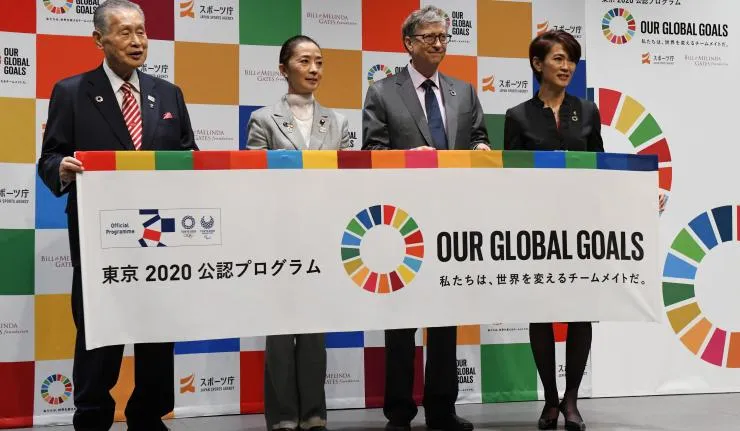
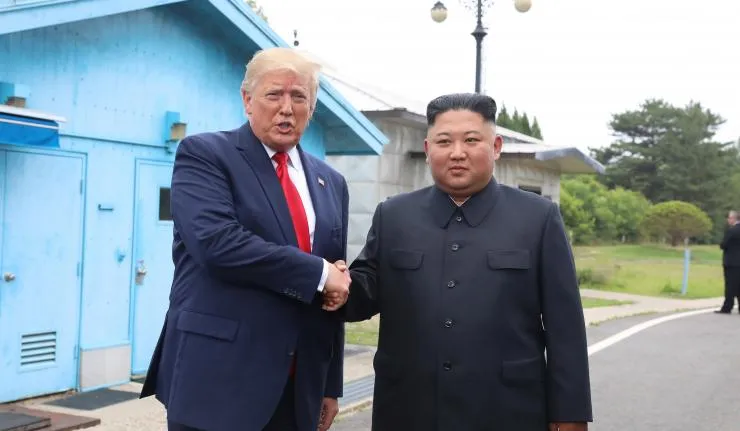
Muhsin Puthan Purayil analyzes Trump’s summit invitation to Kim Jong-un via Twitter through the lens of public diplomacy. Given the nature of U.S.-North Korea relations coupled with the absence of an environment typically required for effective advocacy, however, he argues that Trump's engagement is unlikely to produce any tangible outcome.