


This article is based on an interview with Cynthia Abdon, the General Manager of the Mission for Migrant Workers. It addresses the deep-seated master-labor relationship between Hong Kong Chinese employers and Filipino domestic helpers that results in abuse and low social status for the Filipino diaspora in Hong Kong. This article argues that the Filipino migrant community is undervalued by the Hong Kong Chinese community given how much it relies on the services Filipino domestic helpers provide.
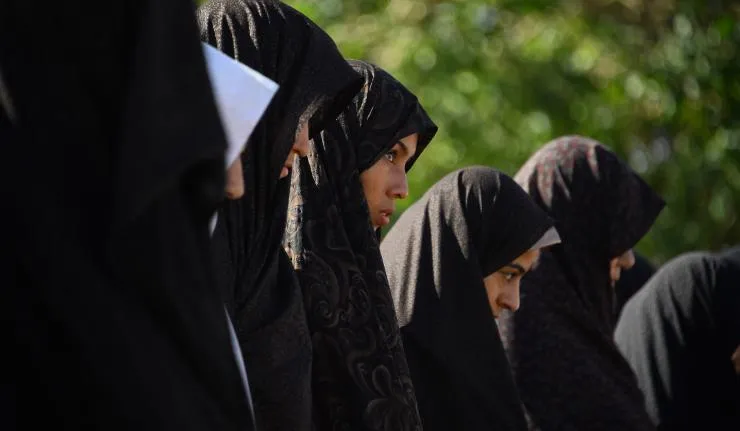
The International Criminal Court’s Pre-Trial Chamber will soon decide whether or not to authorize an investigation into war crimes and crimes against humanity committed in Afghanistan. In this article, Tiran Rahimian considers one of the many alleged crimes – persecution on gender grounds – in the context of the conflicted history of gender-based crimes in international law.

Dictatorships in 21st century Latin America are increasingly using democracy as a tool to legitimize authority, consolidate power, and repress their citizens. This piece considers the recent examples of Venezuela, Nicaragua, and Honduras.
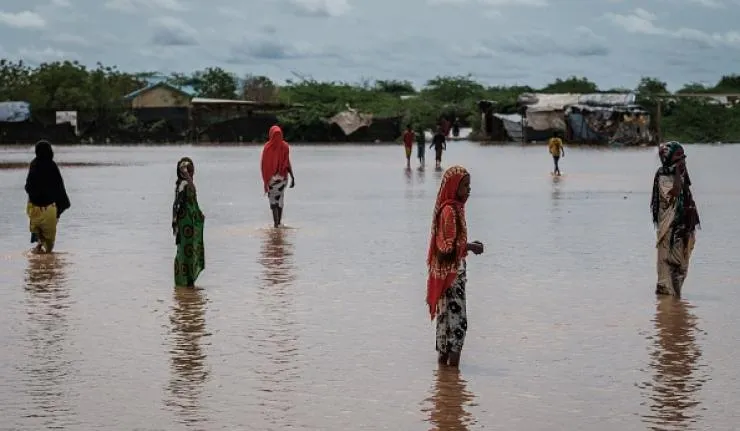
Somali refugees in Dadaab refugee camp in northern Kenya do not have rights. Identity politics has always played a role in Kenyan politics, but in recent years, with the rise of terrorism, Somali refugees have become a target of Kenyan nationalism. Unless government policy changes, whether it's forced repatriation or granting of citizenship rights, roughly 200,000 Somalis will remain in Dadaab.
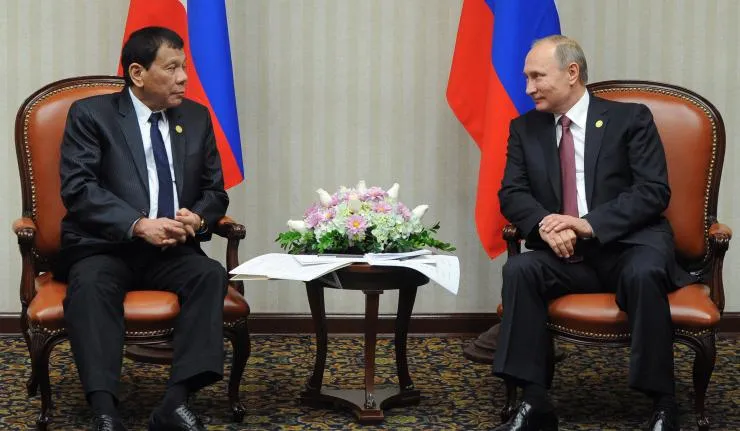
The global rise of personalist ‘strongman’ regimes has transformed the way autocracies use digital media to spread ideologies and influence public sentiment. Camille Laurente explores how personalist rulers in Russia, North Korea and the Philippines exploit new media strategies to impact socio-political behavior.
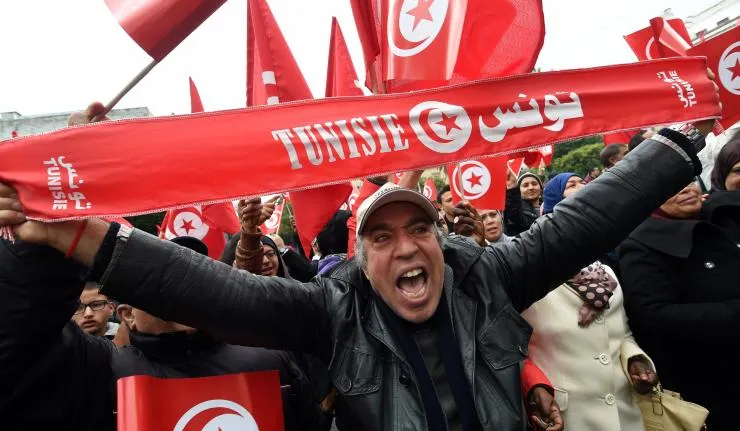
The events in Tunisia during the 2011 Arab Spring illustrate both the power of information communication technology to help mobilize anti-government protestsandhow democratization requires more than digitally networked protests, argues Wofford College’s Dr. Rachel Vanderhill.

The Kurdish leader Selahattin Demirtaş and his Kurdish constituency could decide the fate of Turkey, argue researchers Huseyin Tunc and Dr. Haluk Baran Bingol.
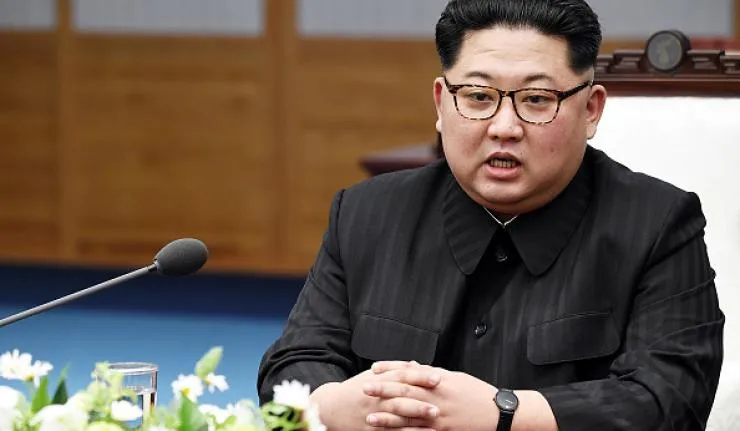
As the landmark meeting between American President Donald Trump and North Korean leader Kim Jong Un becomes more likely to occur in the next month or so, Katrin Katz provides a guide on how to prepare the President for this high-stakes summit in this companion piece to her recent article, written with co-author Victor D. Cha, in the May/June 2018 issue of Foreign Affairs- "The Right Way to Coerce North Korea: Ending the Threat Without Going to War".
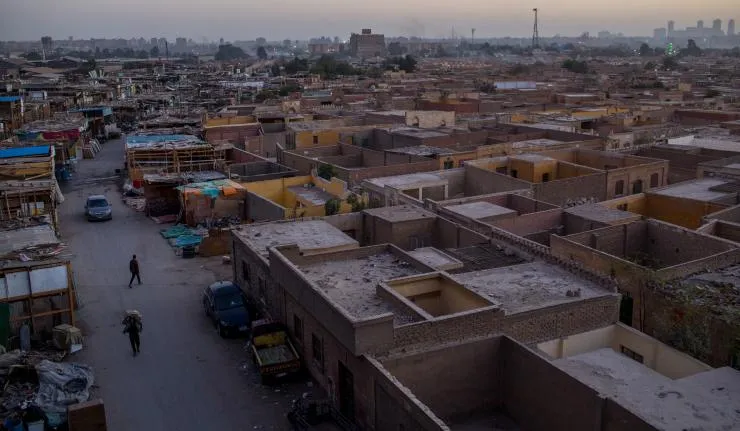
When examining the sources of terrorism, analysts rank poverty at the top of the list. Recent studies show that the 'terrorism-poverty nexus' may not be as clear as once thought. Here, Marc-Olivier Cantin argues for a more nuanced understanding of the effects of poverty that may lead to radicalization.
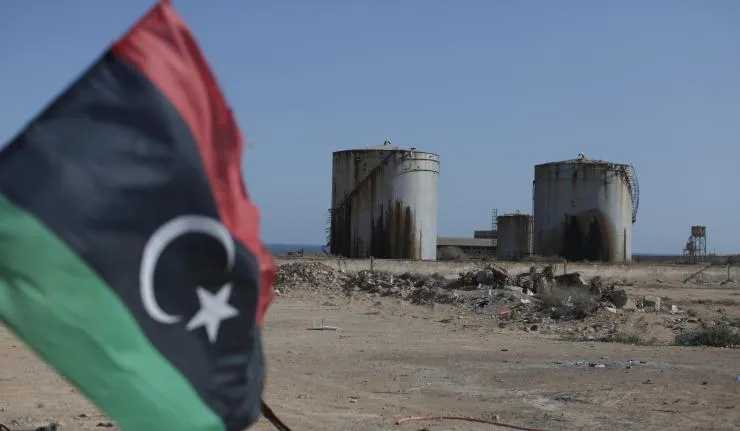
To cope with a lack of functioning national institutions in Libya, foreign governments and multilateral institutions should start coordinating directly with local authorities in the country. Linking economic opportunities to security milestones can help improve security and curtail illicit oil sales, and possibly benefit the lives of Libyans.
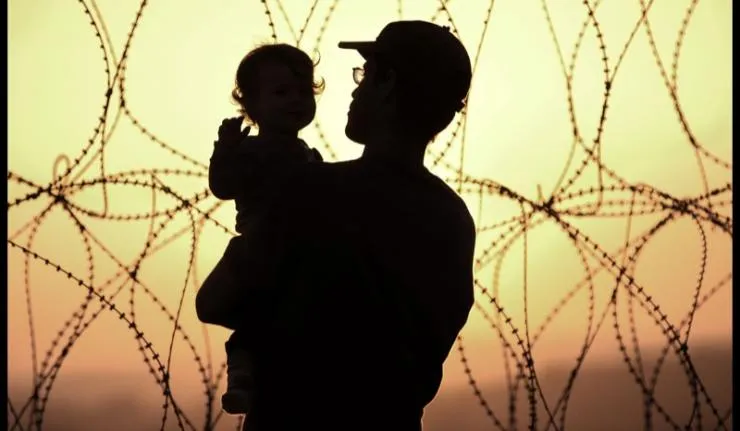
Jewish Israelis no longer risk being the minority as the fertility rate among Palestinians and Israelis in Israel is now equal at 3.1 births per woman. Will changing demographics shift the political outlook?
Image by Rusty Stewart: "A Jewish family watch the sun set over the West Bank from their Settlement."