
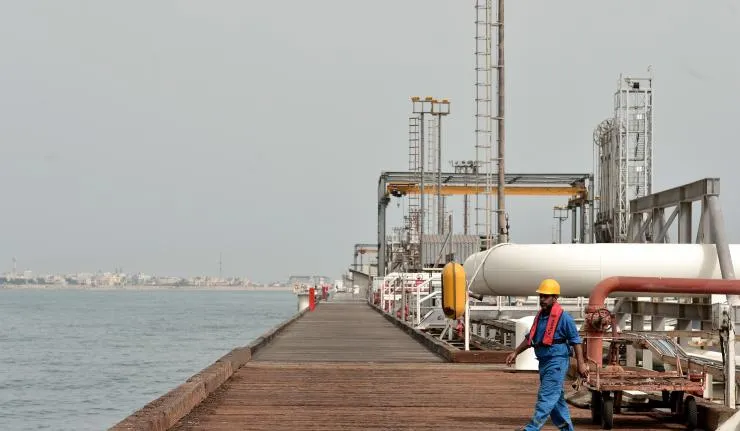
With economic sanctions becoming an increasingly popular political tool, Alexander Rustler argues that more attention must be paid to these sanctions’ longstanding ramifications on the environment. He does so by taking a closer look at the situation in Venezuela, Iran, and Russia.
This article was originally published in the Journal of International Affair's print edition, Vol. 16, No. 1 in 1962.
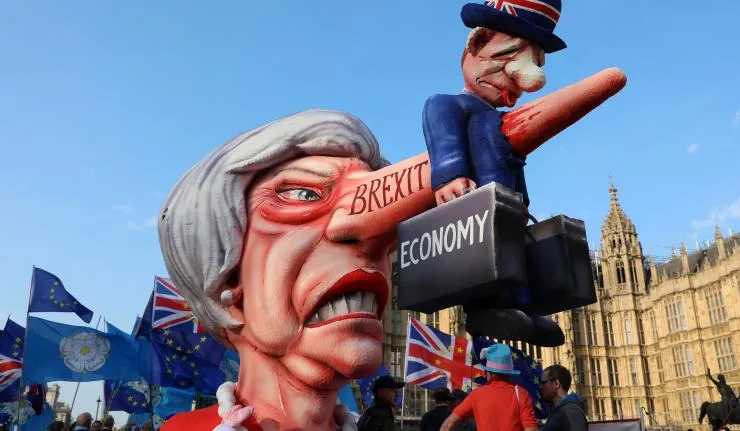
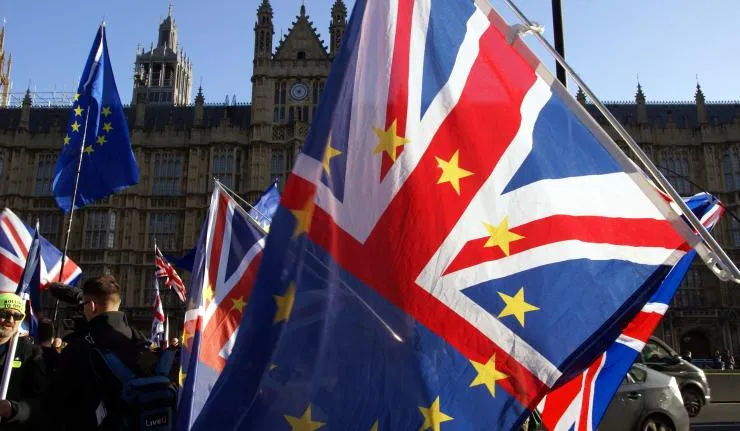
With the looming October 31 Brexit deadline, Desmond Lachman emphasizes the catastrophic implications of the UK's departure from the EU both for the US and the broader world economy.
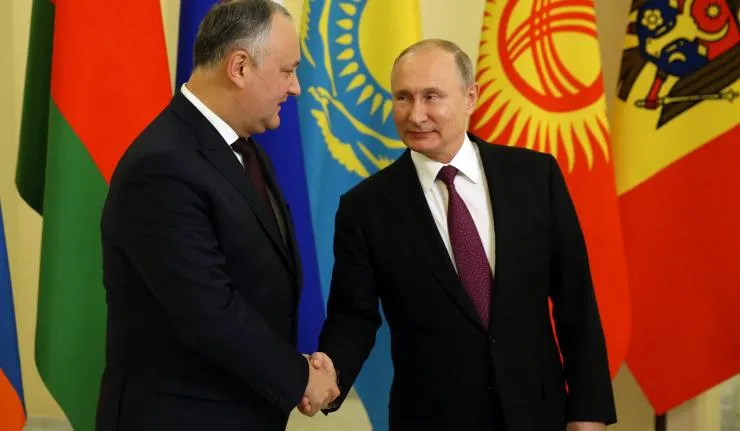
Since the collapse of the Soviet Union, Russia has employed different policies meant to retain influence in its near abroad, an important one being the instigation and sustainment of frozen conflicts. In Moldova and Ukraine, recent political developments increase the likelihood that Russia will soon push to implement the next stage in the frozen conflict cycle: resolution through federalization.
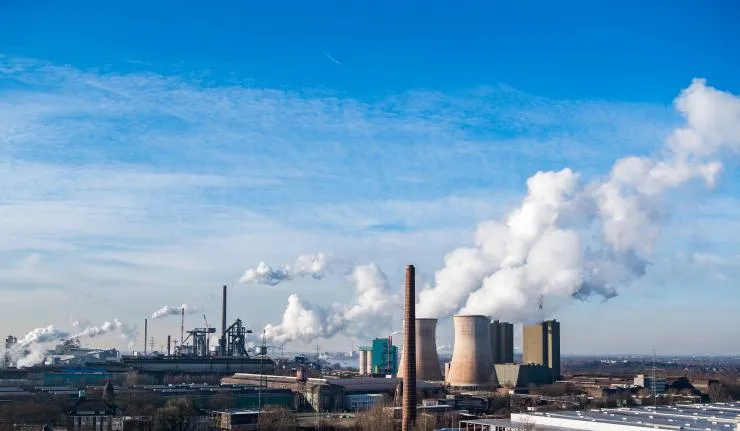
With the planet’s climate at risk, central banks have begun to consider monetary policy that may reduce environmental damage while simultaneously ensuring financial stability. By joining the fight against climate change, central banks could have a significant impact on the world’s progress towards a sustainable future.
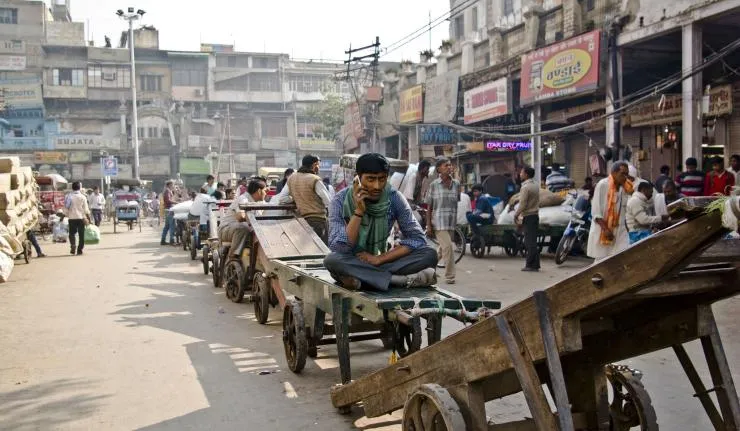
As the 2019 Indian general elections inch closer, Claire Teitelman takes a closer look at the role that social media and technology play in spreading information.
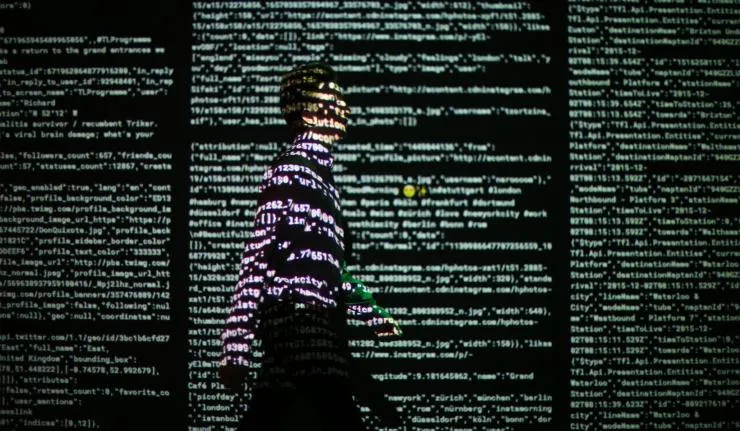
As Russia and China express intent to wall off Internet access, Matthew Flynn points to a long history of isolationism as an early sign of decline for great powers. He argues that, in a world where geopolitical battles increasingly enter the online arena, the winners of the 'war' in cyberspace will be those who continue to value and promote an open Internet.
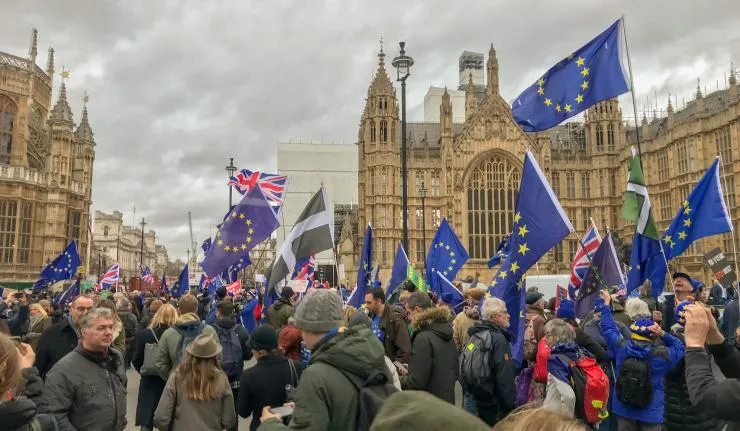
Tim Oliver unravels the issues underlying Brexit through the six I's: ignorance, influence, institutions, incoherence, identity, and isolation.
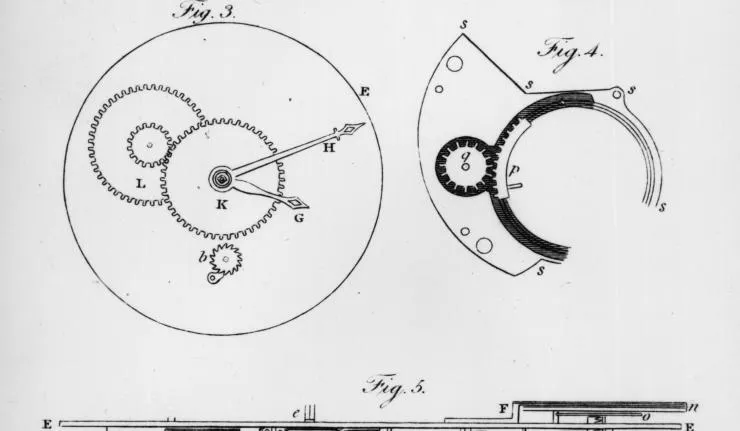
On 13 March 2019, the International Labour Organization (ILO) hosted an event at SIPA to honor the organization’s centenary. The event, entitled “Investing in People at Work,” brought together representatives from the private sector, government and academia for a series of panel discussions examining economic and policy responses to addressing the challenges of today’s changing workplace.
After the event, Columbia University’s Journal of International Affairs interviewed several of the panelists to discuss the role of the ILO in an era of rising nationalism, the causes…
This article was originally published in the Journal of International Affair's print edition, Vol. 16, No. 1 in 1962.
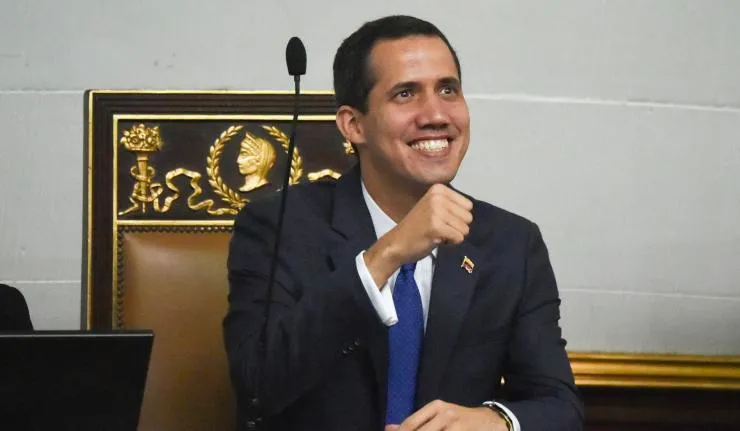
Benjamin Moore argues that US recognition of Juan Guaidó as the Venezuelan president, an action in stark contrast with the Trump administration's typical anti-interventionist stance, should be treated with a healthy dose of skepticism to avoid pitfalls of the past.