
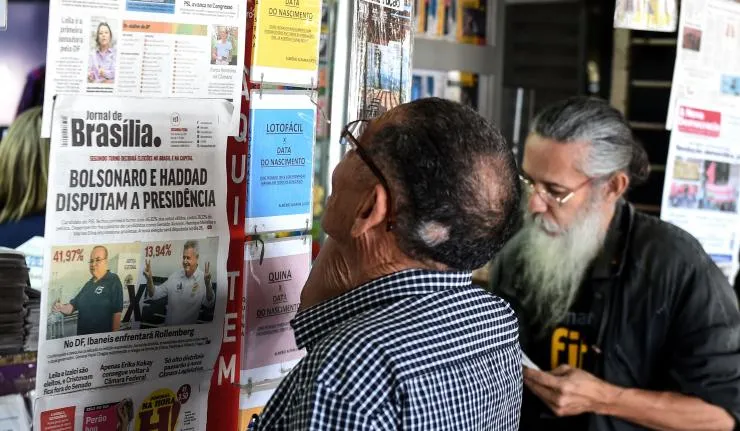
Rogerio Schlegel argues that the popularity of right-wing populist Jair Bolsonaro reflects part of Brazilian society’s deep-seated aversion to equality. Ideally, the second round of elections on 28 October can be a rallying point for a pro-democracy alliance.

French Polynesia (FP) is composed of more than 100 islands in the South Pacific, spanning an area larger than continental Europe. France has governed this remote island nation since 1842, although FP has acquired increasing autonomy over domestic affairs since the 1940s. Currently, French Polynesia is considered an “overseas country” of France, which means Paris retains authority over the island’s security, foreign policy, currency, and justice system.
From 1966 to 1996, the French Government tested nearly 200 nuclear bombs on two atolls—a reef or chain of islands formed by coral—in…

Andre Pagliarini argues that at the anniversary of the 1988 Constitution, Brazilian presidential candidate Jair Bolsonaro’s potential election threatens to revert the country’s progress toward democratic and social liberalization.

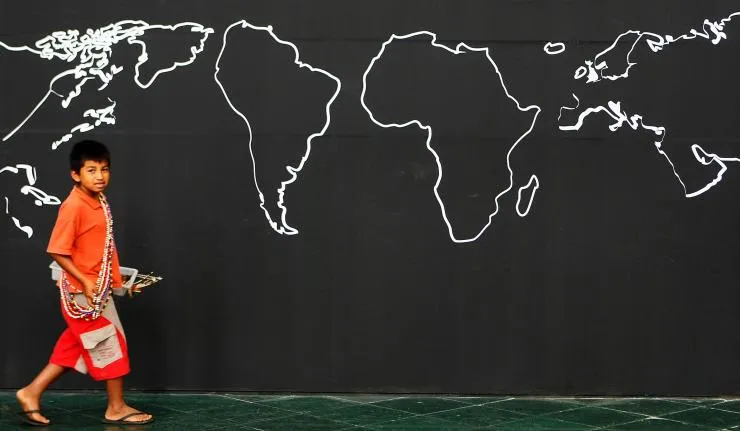
John H. Coatsworth, a leading scholar of Latin American economic and international history, explains current trends in Latin America and offers a glimpse into the region’s future trajectory based on its modern history. He identifies certain legacies, such as the European subjugation of indigenous populations to explain Latin America's continuing struggle with inequality and its tendency to support leftist governments. According to Coatsworth, many Latin American countries will continue to follow the promises of left-leaning reformist governments at least until the need to overcome past legacies…
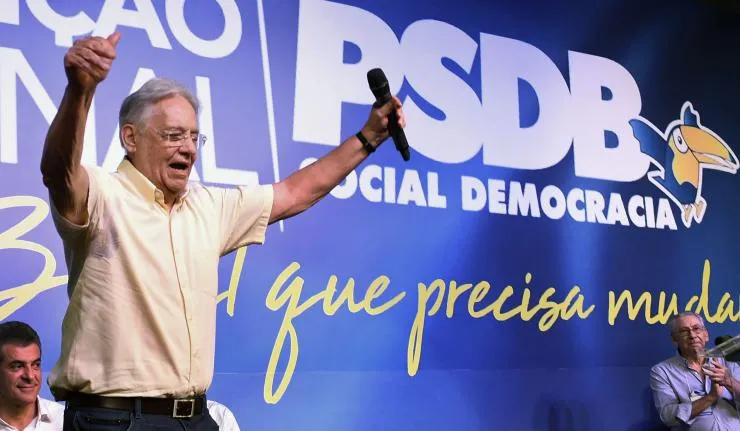
FERNANDO HENRIQUE CARDOSO was President of the Federative Republic of Brazil for two successive mandates from January 1995 to January 2003, winning both elections by an absolute majority. Among his current functions, Cardoso is Chairman of the Club of Madrid and co-Chairman of the Inter- American Dialogue. He is also a member of the Board of Trustees of the Rockefeller Foundation, New York, and of the Institute for Advanced Study, Princeton. In addition, he is Professor "at-large" at Brown University, Providence, and holder of the "Cultures of the South" chair at the Library of Congress,…

Mozambique’s two civil conflicts are both results of the country’s defining challenge: managing its transition into becoming a fossil fuel economy.
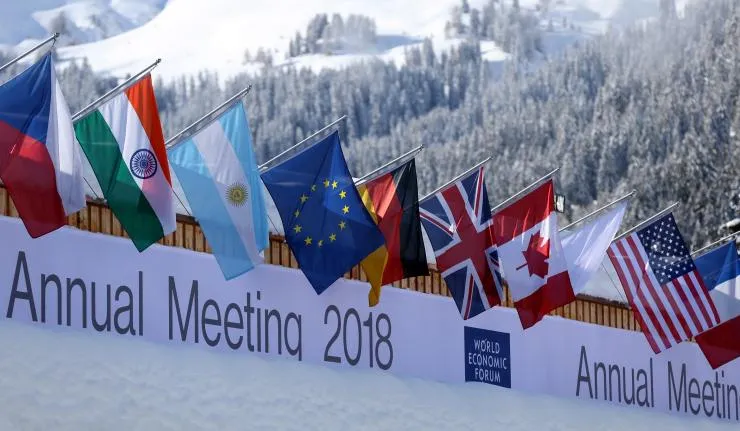
This article presents findings from a three-year study of Ukrainian strategic narratives and perceptions of the EU. By identifying how news media and young Ukrainians narrate the international system and the role of their nation in that system, we can explain how and why they offer narratives about prospects for peace and the EU’s role as a potential mediator. This analysis combines strategic narrative and image theory to categorize Ukrainian narratives about possible futures for their country. We find that Ukrainian news media and young people understand their position primarily through the…

The Journal of International Affairs Vol. 5 No. 2 1951
Propaganda in World Politics
Psychological Warfare in an Age of World Revolution
By Saul K. Padover
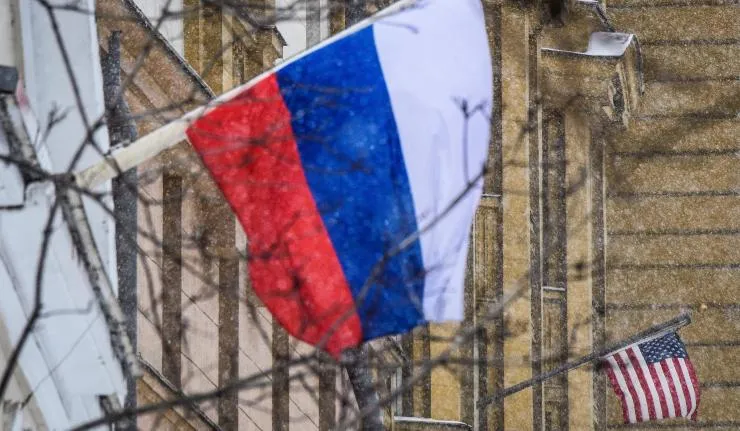
Democracy promotion abroad may contain the seeds of democracy destruction, and perceived democracy destruction may in effect be democracy promotion. This article examines two foundational analyses, one Russian and the other American, that assert digital technologies have been used by rival states to promote democracy and to undermine governance to achieve regime destabilization. The Russian analysis is the so-called Gerasimov doctrine and the American analysis is the January 2017 report by the U.S. Office of the Director of National Intelligence, which asserts that the 2016 U.S. Presidential election…
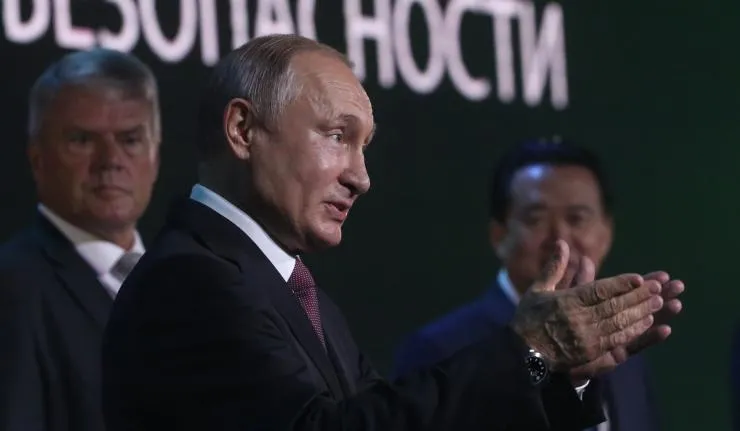
This article examines Russia’s use of misinformation to influence the 2016 U.S. election by reviewing the content of one of the largest repositories of publicly available Twitter data from Russia’s Internet Research Agency (IRA). The article focuses on assessing whether Russia’s communication strategy appealed to an informational logic of false information or to an identity logic. The evidence shows that Russia, through the IRA, was primarily invested in identity rather than informational claims particularly given that the bulk of Russia-linked communications sought to define then-candidate…

This essay explores how political disinformation campaigns can gain credibility and force by embedding themselves within “master narratives” of national decline and rebirth. As a case study, it examines the Russian-sponsored propaganda that seeks to discredit the humanitarian work of the White Helmets, a volunteer rescue group in Syria. The paper concludes with reflections on the importance of fighting disinformation campaigns on their own turf, not only by refuting falsehoods with facts, but also by opposing the propagandists’ master narratives with coherent and compelling counter-narratives…