
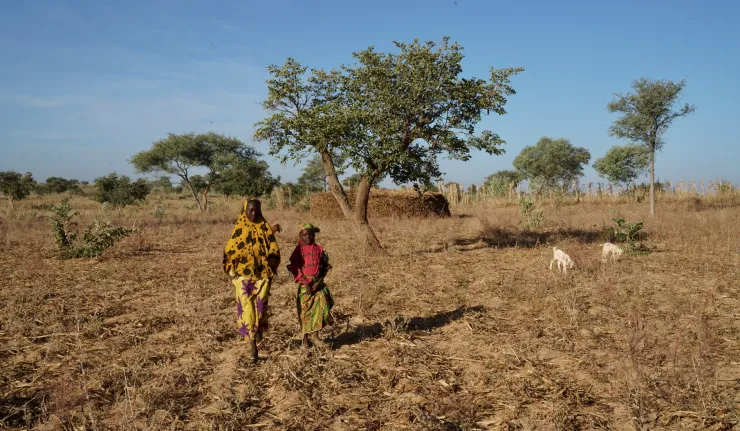
Walter Kaelin is a Swiss international human rights lawyer, legal scholar, and presently the Envoy of the Chair of the Platform on Disaster Displacement. Before that, he served as the Envoy of the Nansen Initiative on disaster-induced cross-border displacement. The Journal of International Affairs spoke with Kaelin on climate change and its effects on displacement and migration.
Danika Billie Littlechild is from the Ermineskin Cree Nation in Treaty 6 territory in Alberta. She is a lawyer whose practice focuses on the rights of Indigenous Peoples, Indigenous legal traditions, environment, water, health, and international law. From 2014-2018, she served as the Vice President of the Canadian Comission for UNESCO. The Journal of International Affairs spoke with Littlechild on the challenges Indigenous peoples face in these contexts.
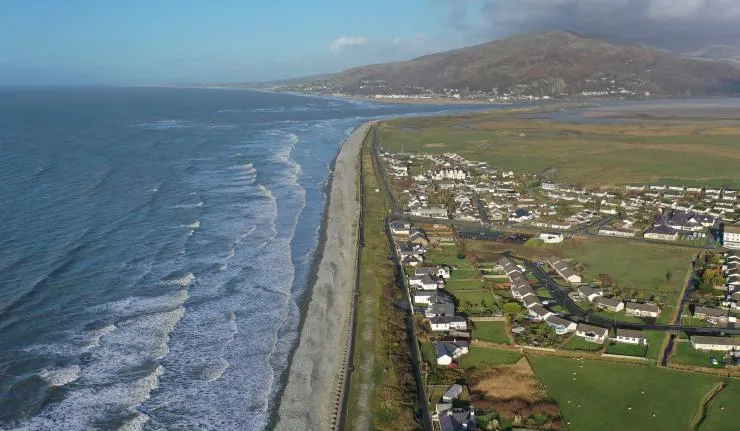
Dr. Ayana Elizabeth Johnson is a renowned marine biologist. She founded Urban Ocean Lab, a think tank for the future of coastal cities, and Ocean Collectiv, an ocean conservation consultancy. The Journal of International Affairs spoke with Dr. Johnson about the role of oceans in climate action and how individuals can enact systemic change.
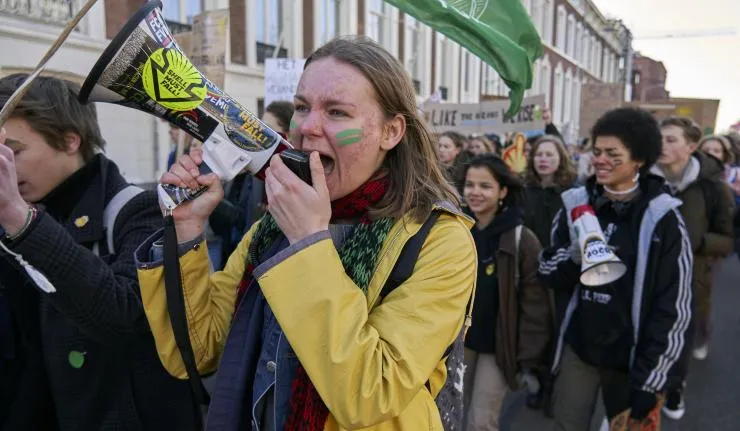
Adrianna Quintero is the Director of Diversity, Equity, and Inclusion at the Energy Foundation. Ms. Quintero is an expert on environmental law and has written and spoken extensively about the effects of climate change on communities of color and the importance of diversity and equity in the conversation about climate change. The Journal of International Affairs spoke with Quintero about the unequal impacts of climate change and how to prioritize equity in climate action.
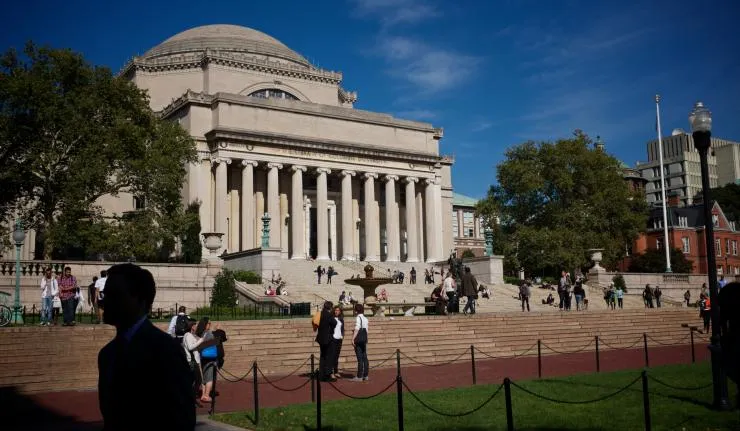
Alex N. Halliday is the Director of Columbia University’s Earth Institute. He is also a scientist who pioneered developments in mass spectrometry, helping shed light on processes that affect Earth’s surface environment. The Journal of International Affairs spoke with Halliday about the Earth Institute, Columbia University’s new climate taskforce, and the future of climate and energy policy.
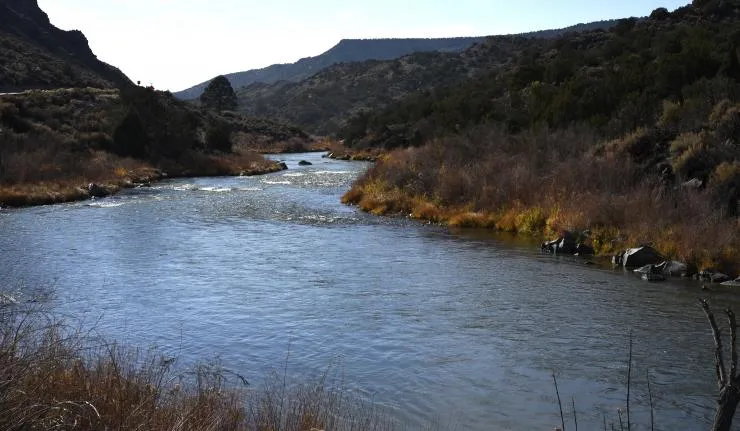
Rev. Susan Hendershot is the president of “Interfaith Power & Light (IPL),” a nationwide interfaith climate action organization. Prior to Iowa IPL, Rev. Hendershot served as a pastor in both Disciples of Christ and United Methodist congregations, focusing on social justice ministries. The Journal of International Affairs spoke to her about the religious and ethical implications of the climate crisis.
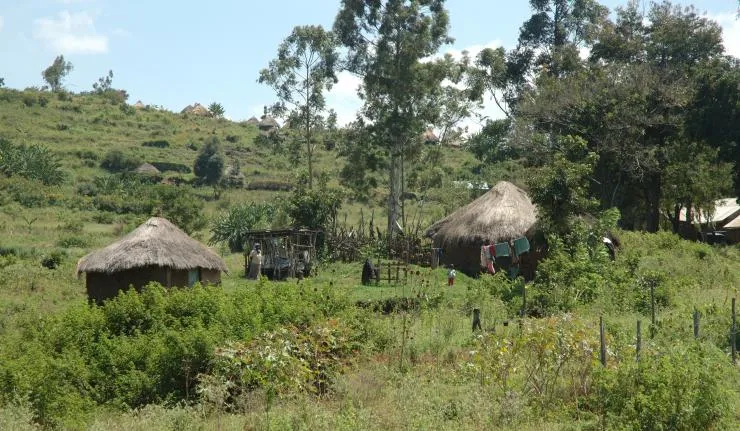
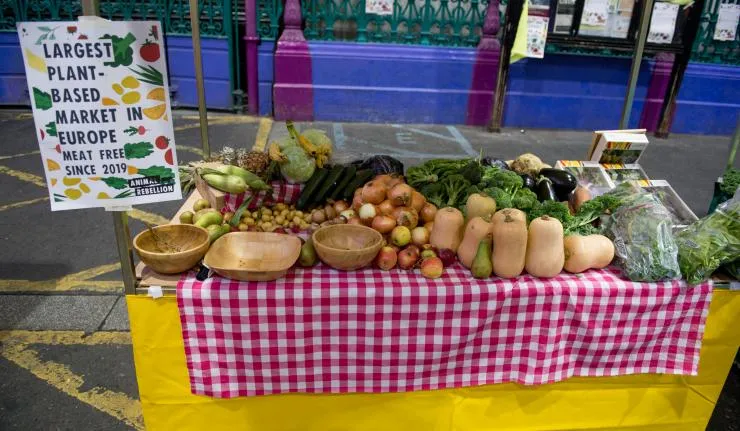
Eric Toensmeier is the award-winning author of Paradise Lot and Perennial Vegetables. He is an appointed lecturer at Yale University, a Senior Biosequestration Fellow with Project Drawdown, and an international trainer. He has studied permaculture, useful perennial plants and their roles in agroforestry systems for over two decades. The Journal of International Affairs spoke with Toensmeier about these topics and how to achieve change in the agriculture sector.
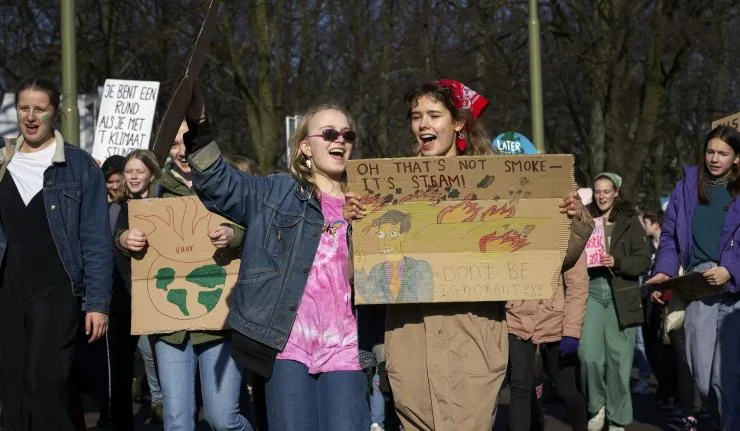
Dr. Robert Bullard is credited as the “Father of Environmental Justice” for his work in the late 1970s on the siting of toxic facilities and landfills in the American South. He is the author of Dumping in Dixie and is currently a Distinguished Professor of Urban Planning and Environmental Policy at Texas Southern University. The Journal of International Affairs spoke with him about the roots of environmental racism and how governments can address it.
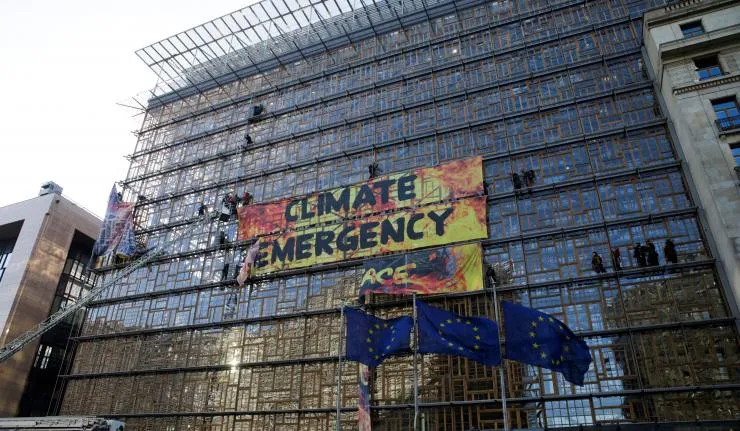
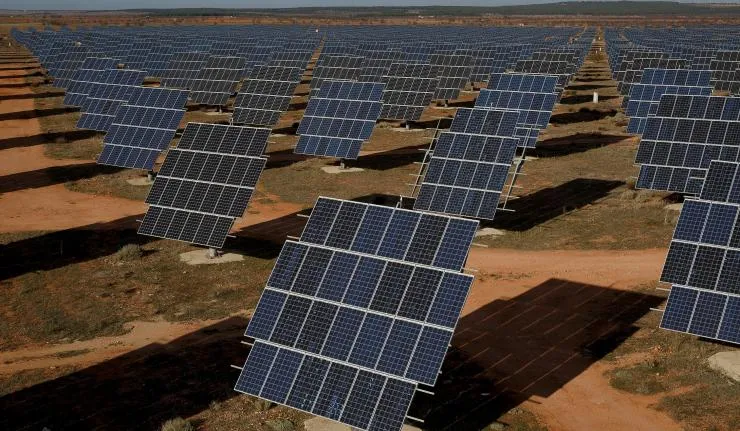
Emerging renewable energy geopolitical frameworks are defined by relations to fossil fuel geopolitics. Novel frameworks could divorce the energy economy from its association with international conflict, financial crises, and political instability.