
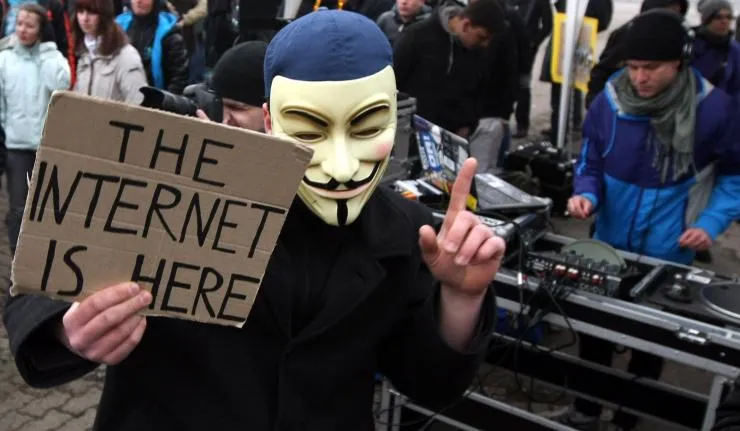
Authoritarian regimes learned to fear the rise of the internet because it spurred an online community who encouraged information sharing relatively free from government oversight. However, the West—the creator of the internet—is retreating from openness in cyberspace because of strong arguments made by defense specialists about cyber vulnerabilities and because of cyber meddling by foreign actors, most clearly the Russian Government. This article argues that combatting the rise of authoritarianism, particularly in Russia, requires embracing the strategic advantages openness provides for democracy…
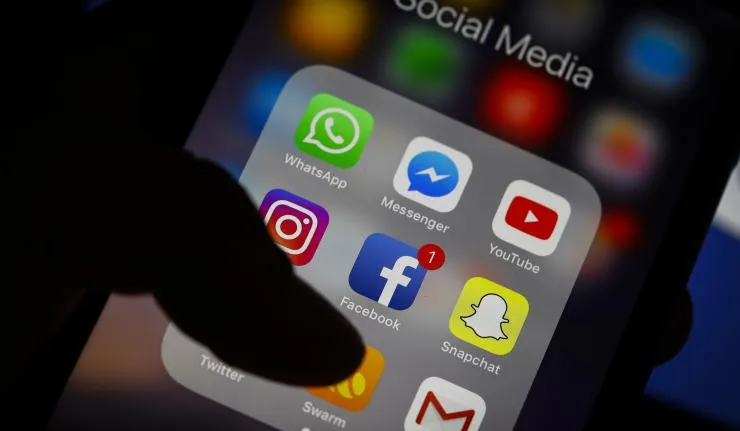
State-sponsored cyber groups have long utilized spear phishing to pierce government networks. Spear phishing relies on social engineering to trick individuals into revealing sensitive information or downloading malicious software, rather than hacking into a system vulnerability by force. While email remains the preferred medium to conduct spear-phishing attacks, social media has opened up new attack vectors for politically motivated cyberattacks. Social media platforms, as high-trust environments typically accessed from a mobile device for personal entertainment or networking, are highly conducive…
This paper argues that one of the major purposes of a disinformation campaign is to sustain a discursive conflict between users of social networks. By examining the phenomenon of “unfriending,” the paper describes how disinformation campaigns sabotage horizontal connections between individuals on either side of a conflict and strengthen a state’s capacity to construct an image of an external enemy. The paper argues that horizontal connections are targeted because they have the potential to mitigate social cleavages, challenging state control over the legitimacy of a conflict narrative. Understanding…
Ongoing research and discussions examine the role of technology—information communication technologies in particular—in conflict, principally focusing on whether technology is a good or bad thing for peace and social progress. This narrow focus overlooks important considerations about how technology interacts with human nature and surrounding contextual dynamics, and in so doing obscures opportunities to prevent harm and to leverage technology for good. This article explores interdisciplinary research and lessons from violence-prevention efforts in Kenya to propose a new approach for understanding…

Social media has emerged as a powerful tool for political engagement and expression. However, state actors are increasingly leveraging these platforms to spread computational propaganda and disinformation during critical moments of public life. These actions serve to nudge public opinion, set political or media agendas, censor freedom of speech, or control the flow of information online. Drawing on data collected from the Computational Propaganda Project’s 2017 investigation into the global organization of social-media manipulation, we examine how governments and political parties around the…
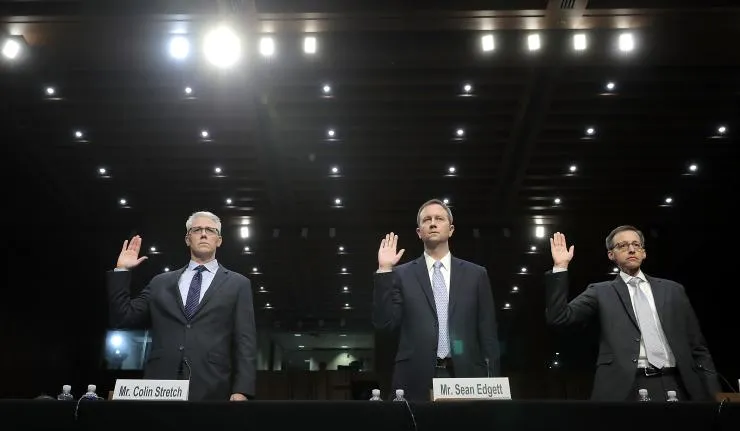
Major social-media companies profess liberal values like global community and democratic participation as primary incentives motivating the design of their platforms and their proposed solutions to online disinformation. However, the industry of digital marketing that underlies these companies’ business models is in tension with these values. Digital marketing ascribes more value to users from demographics with higher socioeconomic status, and online disinformation campaigns that harness the infrastructure of digital advertising built into social media undermine democratic participation. Regulators…

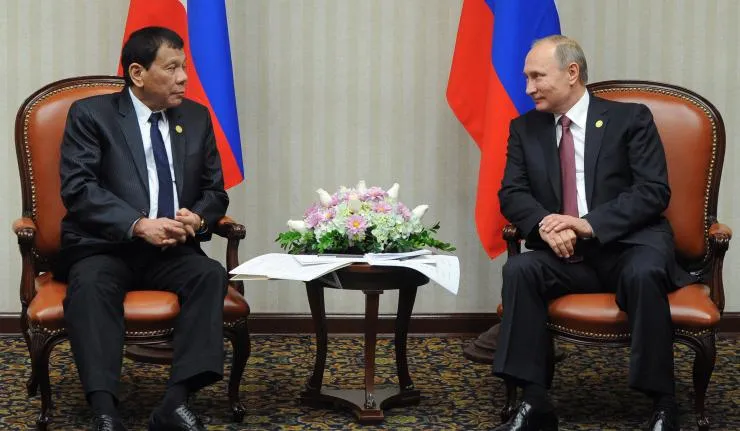
The global rise of personalist ‘strongman’ regimes has transformed the way autocracies use digital media to spread ideologies and influence public sentiment. Camille Laurente explores how personalist rulers in Russia, North Korea and the Philippines exploit new media strategies to impact socio-political behavior.

When examining the sources of terrorism, analysts rank poverty at the top of the list. Recent studies show that the 'terrorism-poverty nexus' may not be as clear as once thought. Here, Marc-Olivier Cantin argues for a more nuanced understanding of the effects of poverty that may lead to radicalization.
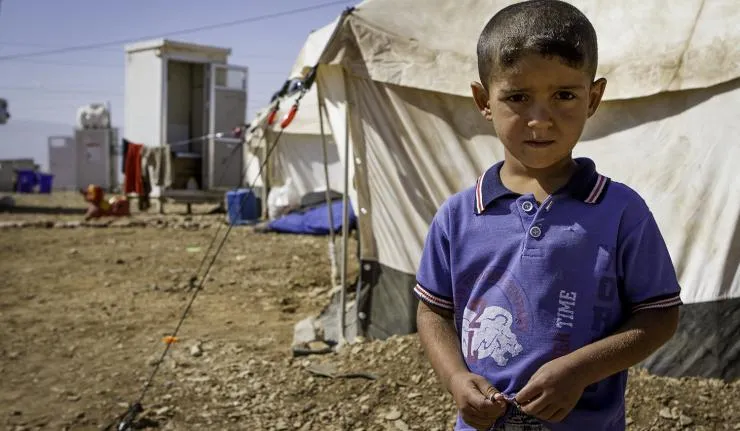
This article suggests an alternative way of reading Article 31(1) of the Refugee Convention on non-penalization of refugees so that asylum claimants and refugees within the jurisdiction of a state may also benefit from the protection of non-penalization. When read purposively, rather than in a literal, textual manner, Article 31(1) may be used to fill the gap created when asylum claimants and refugees are not yet able to reach the territory of a state while at the same time not able to return to territories where they experience a ‘well-founded fear of persecution’. In light of the ongoing…

In the wake of the 2018 Winter Games, Andrew Elliott Cha reflects on North Korea's charm offensive and what the Trump administration must do to form a credible response.