

The United States must balance its need to defend against cyber threats with the important advantages of its current policy that enshrines internet openness. In this argument, Professor Matthew Flynn responds to the Moises Naim’s article Why Democracies are at a Disadvantage in Cyber Wars, which appeared online on the Journal of International Affairs’ website on 15 March 2017.

The forces of globalization have opened borders and linked societies. But, globalization has also impacted nonstate actors, allowing for transnational criminal activity and providing new strategies to plan and fund terrorism. Here, Justin Leopold-Cohen surveys this development and argues for its consideration in counterterrorism policy.

What drives Islamist extremism in the West? What accounts for the so-called Islamic State's ability to recruit from Western democracies? While others have argued that global migration and the refugee crisis are fueling radicalization, Christy Grace Provines from the 'MPOWER Project considers deeper implications and proposes a theory she calls Identity Vulnerability.

Disclosing beneficial ownership is one of the few ways to prevent the loss of natural resource revenues and to mitigate—if not prevent—the resource curse. This article details how digital platforms can help the global effort to reverse the resource curse and plug revenue loss leakages in the mining sector through beneficial ownership disclosures.

According to a report by the World Economic Forum, more than 500 million people have access to mobile phones but not to electricity. Today, the emergence of sustainable energy has changed the role played by the private and public sectors in rural electrification.
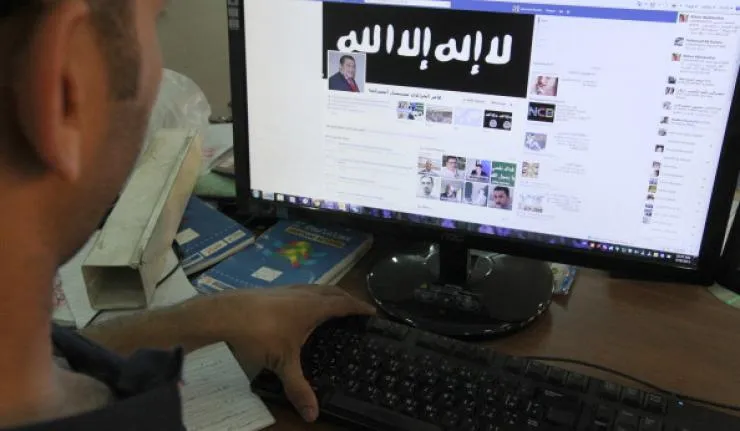
While ISIS loses territory, many experts argue that the group is building a “virtual caliphate” online. Counterterrorism is now a battle for hearts and minds, rather than a pure military faceoff.
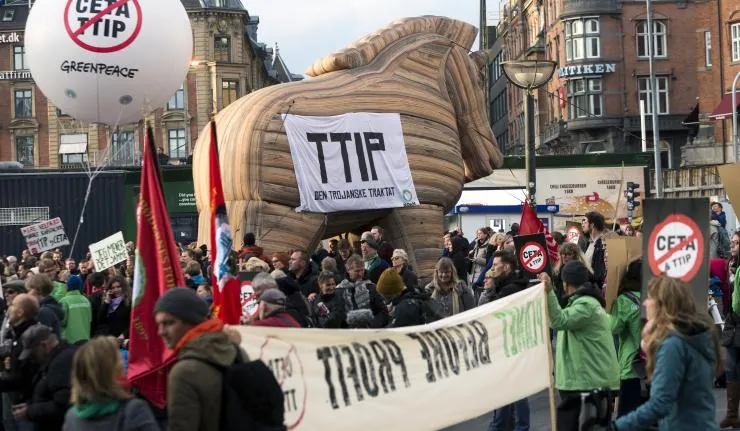
While some blame globalization and unfettered international trade for rising inequality around the world, others fear that protectionism will curb global economic growth. The Journal of International Affairs talked to C. Fred Bergsten, director emeritus of the Peterson Institute for International Economics, about the so-called war on free trade and the future of the global economy.

Even as governments push to implement online authentication for digital transactions, AI threatens to convincingly play the part of a human online.
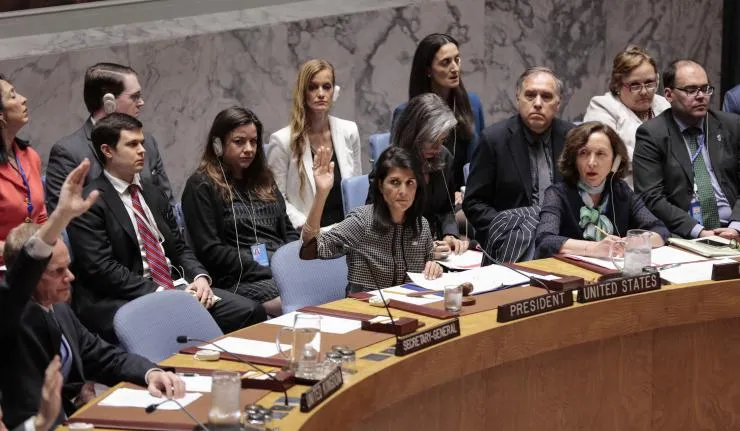
In her last days at the UN, Samantha Power practiced "end times diplomacy" in anticipation of President Trump but Nikki Haley has followed Power's diplomatic playbook.
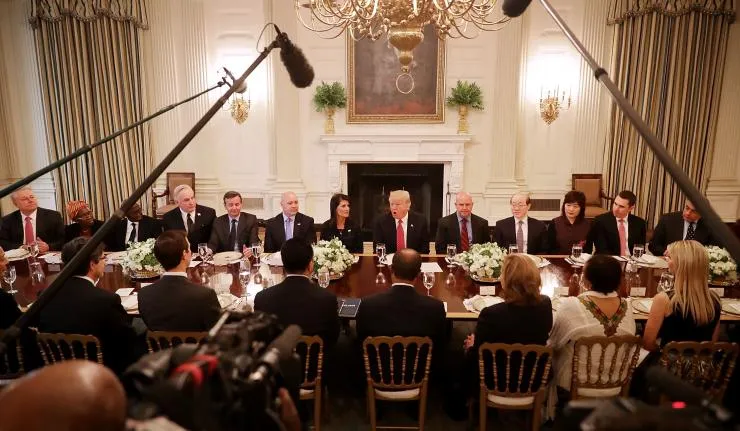
Cyber issues are rapidly growing in importance to defense alliances. The Journal of International Affairs talked to Ambassador Sorin Ducaru, NATO’s assistant secretary general for emerging security challenges, about NATO’s efforts to improve its cyber defenses against emerging threats.
Concerns about state-directed cyber intrusions have grown increasingly prevalent in recent years. The idea that state principals can obfuscate their involvement in such attacks by delegating operational tasks to non-state agents poses a particularly significant challenge to international enforcement and remedies. Gaps in international law, coupled with obstacles to detection in such cases, may make it more difficult to bring sponsoring states to justice. This paper offers a roadmap for assessing the propensity of states to delegate to non-state actors and correct for false positives in standard…