

Migration is polarizing societies around the globe and has become one of the most important political cleavages of our times. We spoke with Michael Doyle, the Director of the Columbia Global Policy Initiative and co-director of its International Migration project, about the challenges of migration in current times. In 2015, Doyle helped develop the Model International Mobility Convention which represents a shared framework among over 40 academics. It serves the ambitious goal of creating a holistic, rights- respecting governance regime for all aspects of international migration.

Social media and the Internet play an important role in the proliferation of hateful and extreme speech. Looking to contemporary networks of digitally mediated extreme right-wing communication, this essay explores the form, dynamics, and potential governance of digital hate culture. It focuses on the cultural practices and imagination present in the networks of digital hate culture to illuminate how two frames, the Red Pill and white genocide, unify the different groups that take part in these networks. After providing a high-level overview of these networks, this essay explains three formal features…

The upcoming G-20 summit in Argentina prioritizes the future of work, searching for ways to meet the challenges of a digitized economy. Francisco Rivera-Batiz analyzes the economic and policy implications of increasing automation on the labor market.
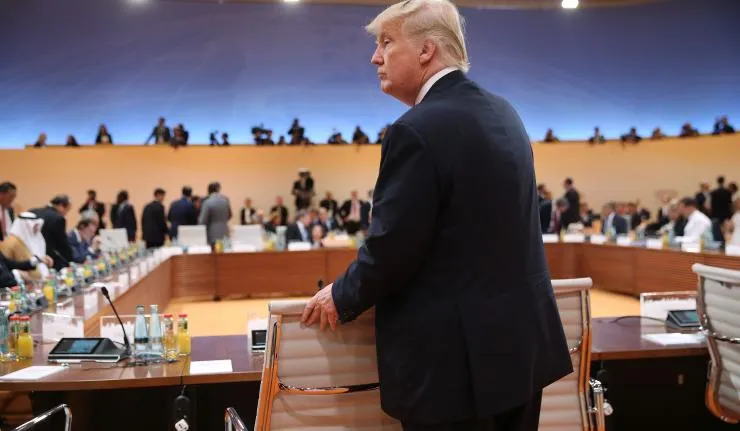
It has been ten years since the Group of Twenty (G20) became the world’s premier forum for global economic cooperation. Arguably, it has had a successful decade. Yet, instead of celebrations, the G20 is now facing its toughest test yet: can it survive, and more importantly have meaning, in a zero-sum world?
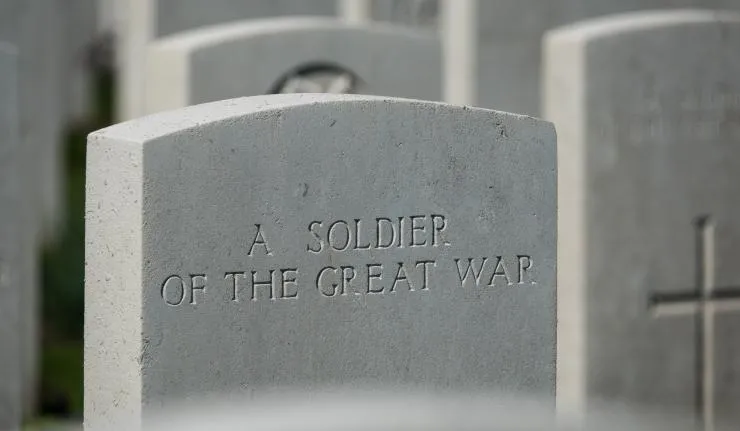
Professor Richard K. Betts reflects on lessons learned since the Great War and its continuing relevance in today’s foreign policy. With the possibility of a new Cold War on the rise, what can we learn from the past?
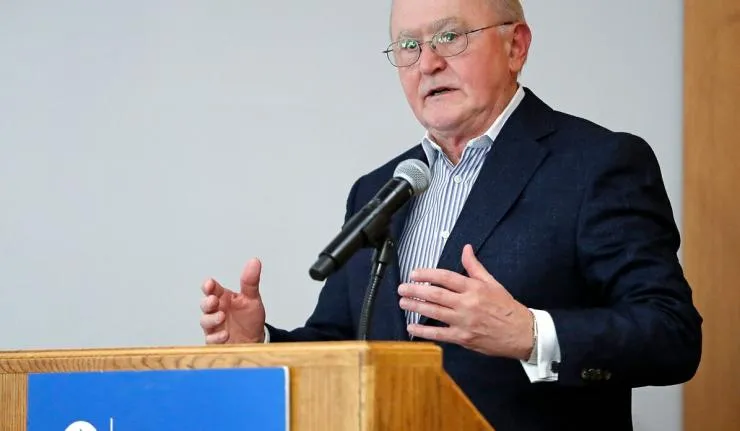
On 25 October 2018, Professor John Ruggie delivered the 10th Annual Kenneth N. Waltz lecture at Columbia University's School of International and Public Affairs. We reproduce his lecture below in its entirety.
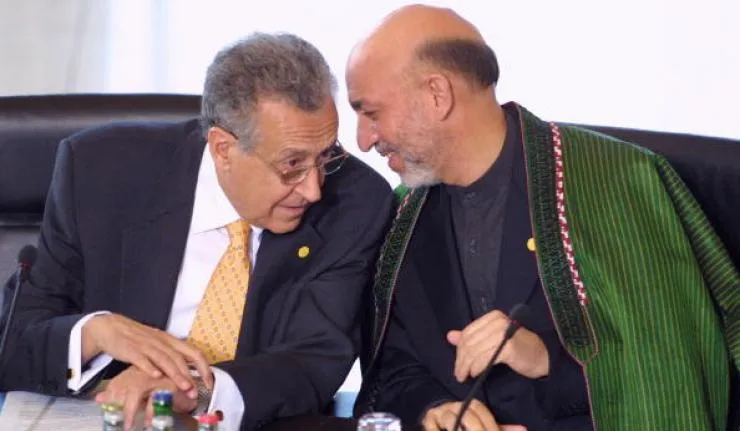
Lakhdar Brahimi is the Special Adviser to the Secretary-General and served as the UN Special Envoy in Iraq. Ambassador Brahimi led the United Nations Assistance Mission in Afghanistan and was entrusted with overall authority for the UN’s reconstruction activities there. Mr. Brahimi also served as Special Representative to Haiti and South Africa and directed special missions to a number of countries, including the Democratic Republic of the Congo, Yemen, Liberia, Nigeria, and Sudan. Mr. Brahimi was Minister for Foreign Affairs of Algeria and served as the Under-Secretary-General of the League…
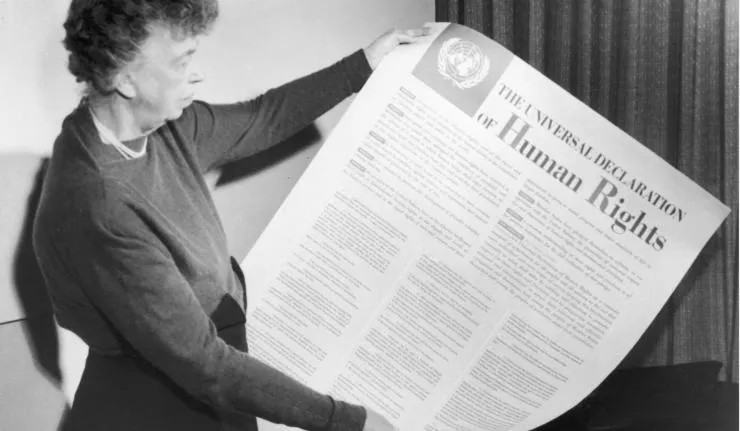
This article originally appeared in the Journal of International Affairs' Special 70th Anniversary Issue in 2017.
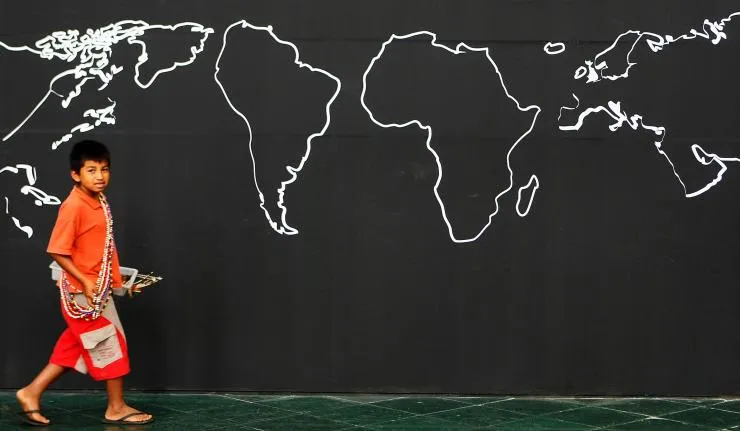
John H. Coatsworth, a leading scholar of Latin American economic and international history, explains current trends in Latin America and offers a glimpse into the region’s future trajectory based on its modern history. He identifies certain legacies, such as the European subjugation of indigenous populations to explain Latin America's continuing struggle with inequality and its tendency to support leftist governments. According to Coatsworth, many Latin American countries will continue to follow the promises of left-leaning reformist governments at least until the need to overcome past legacies…
Mozambique’s two civil conflicts are both results of the country’s defining challenge: managing its transition into becoming a fossil fuel economy.

The Journal of International Affairs Vol. 5 No. 2 1951
Propaganda in World Politics
Psychological Warfare in an Age of World Revolution
By Saul K. Padover

This essay explores how political disinformation campaigns can gain credibility and force by embedding themselves within “master narratives” of national decline and rebirth. As a case study, it examines the Russian-sponsored propaganda that seeks to discredit the humanitarian work of the White Helmets, a volunteer rescue group in Syria. The paper concludes with reflections on the importance of fighting disinformation campaigns on their own turf, not only by refuting falsehoods with facts, but also by opposing the propagandists’ master narratives with coherent and compelling counter-narratives…