

Invisibility is no longer a mere trope of fantasy and science fiction; it is a tangible area of research that many companies around the world are pouring vast resources into. This article seeks to trace the evolution of invisibility technology from a literary staple into a real-world innovation. It also seeks to explore its global security implications, particularly in asymmetric warfare and counterterrorism. It examines how the dynamics of warfare might change at a fundamental level once the technology becomes more widespread.

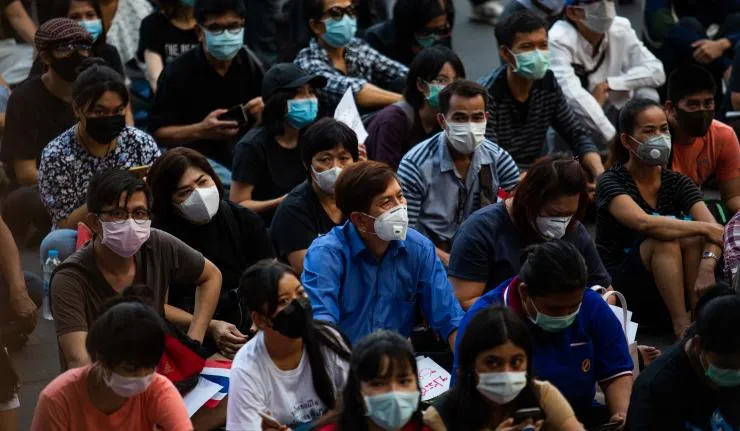
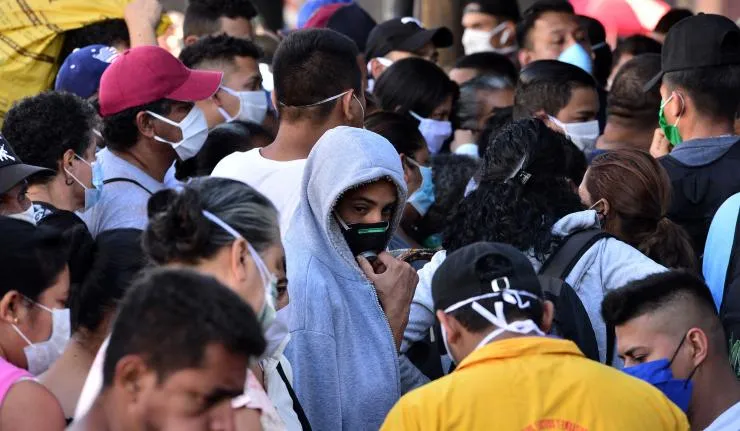
While recent epidemics hit almost only developing countries, the COVID-19 pandemic is hitting both the global south and the global north. Although this might create an illusion that the pandemic is an equalizer, impacts are unevenly distributed across and within countries.
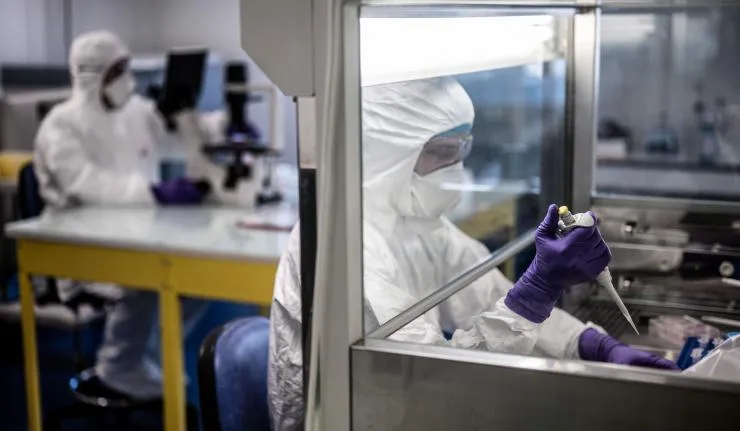
Scientists are racing to develop vaccines against the novel coronavirus. While some vaccine candidates may enter the market in record time, the current vaccine innovation ecosystem exposes governance lacunas at both the international and domestic levels.
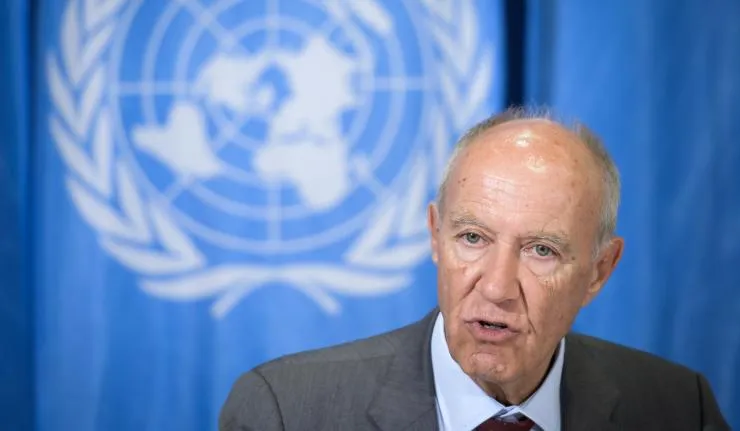
The World Intellectual Property Organization has maintained amicable relations with North Korea for decades and is now one of the most favorably viewed international organizations in the isolated socialist country. Their history of engagement may bear insights on a novel approach to building a channel for communication and effective relationship-building between North Korea and the broader global community.
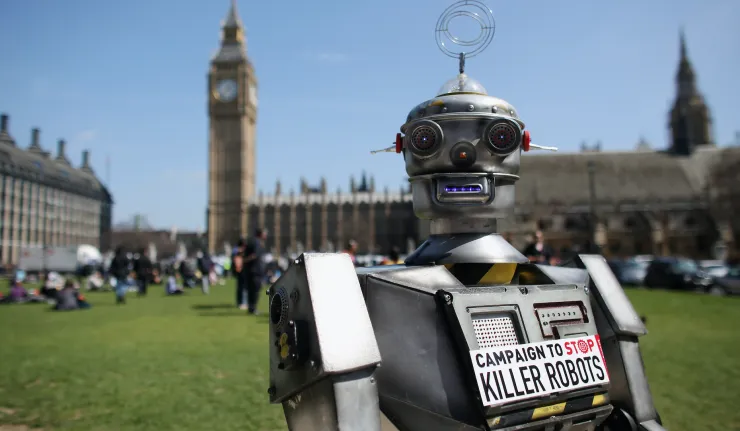
Robots have long presented a threat to some aspect of the human experience. What began with concern over the labor market slowly evolved into a full-blown existential debate over the future of mankind. But lost somewhere in between the assembly line and apocalypse stands a more immediate threat to the global order: the disruptive relationship between technology and international law.
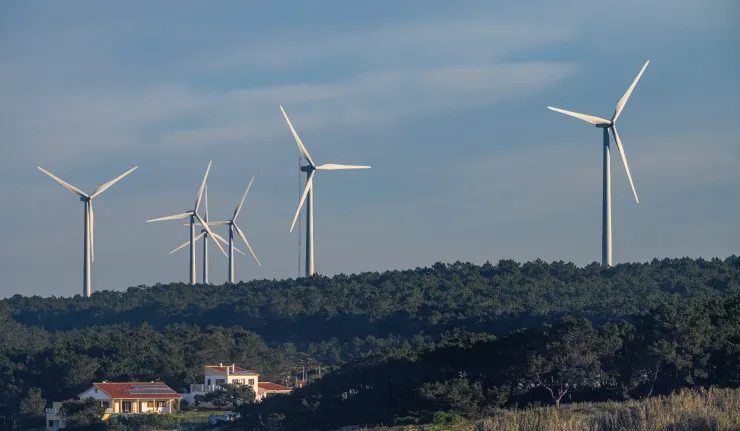
Josh Tickell, author and film director, has created several works focusing on sustainability and the climate. He has directed award-winning documentary films, and he recently published The Revolution Generation–How Millennials can Save the World Before It’s Too Late, a book about the role millennials must play to save the earth’s ecosystems. The Journal of International Affairs spoke with Tickell on the future of energy, the role of millennials, and ways to effectively create change.
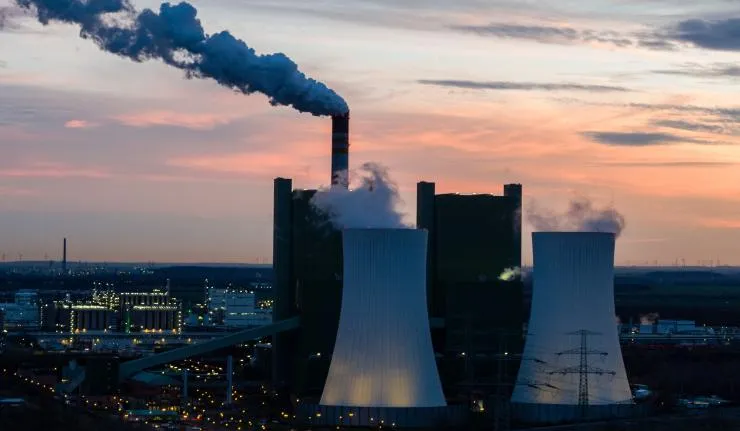
Michael Green serves as Executive Director of Climate XChange, a non-profit focused on carbon pricing advocacy, media, and research and is a Founding Partner at Carbon Capital Advisors, a start-up focused on using innovative technology and finance to address climate issues. He has been asked to speak at the White House, and he has served as a representative to the United Nations climate forum since 2012. In 2016, he was recognized as a Champion of Change by President Obama, for his commitment to climate change as an equity issue. The Journal of International Affairs spoke with him about the role,…

Professor Dr. Michael Braungart is a professor at the Leuphana University Lüneburg, the founder and scientific CEO of EPEA Internationale Umweltforschung GmbH, and the co-founder and scientific director of McDonough Braungart Design Chemistry (MBDC). Since working for Greenpeace International in the 1980s, Dr. Braungart has been an international leader on research and consultancy for eco-effective products. The Journal of International Affairs spoke with Braungart about the Cradle to Cradle concept that he developed.
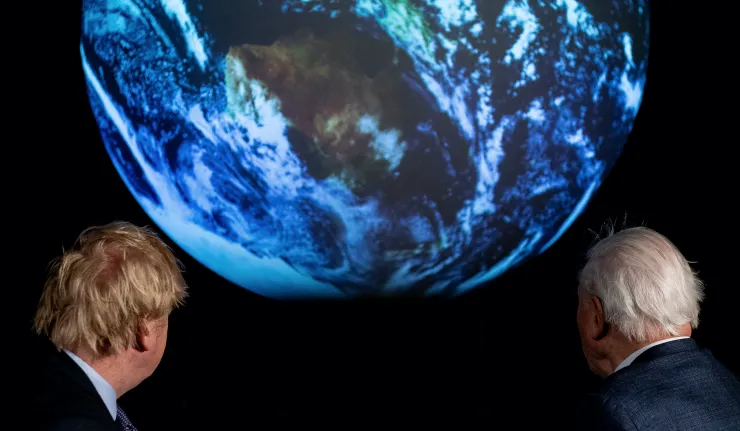
David Wallace-Wells writes about climate change for New York Magazine. In 2019, he published The Uninhabitable Earth, a book exploring what life will be like after continued global warming. The Journal of International Affairs spoke with Mr. Wallace-Wells about how the climate crisis will disrupt economies and livelihoods.
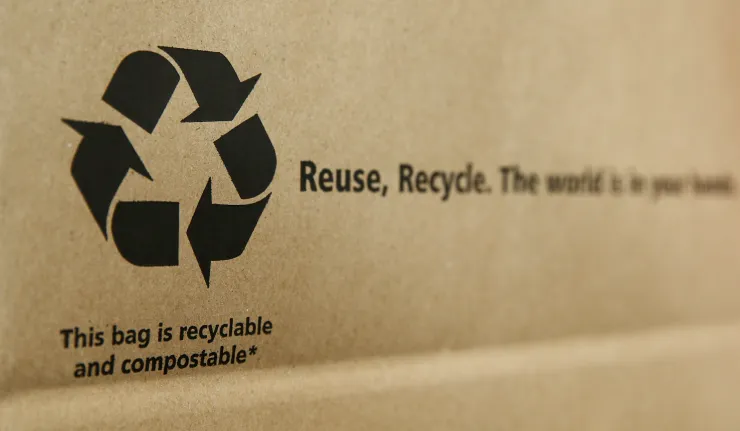
Joan Marc Simon, Executive Director of Zero Waste Europe, works on a wide range of projects and policy areas with the single objective of advancing a zero waste future for Europe. Among other publications, he has authored the Zero Waste Masterplan for cities as well as the book Zero Waste: How to Reactivate the Economy Without Trashing the Planet. The Journal of International Affairs spoke with Simon about the zero waste philosophy and its ties to climate change.