

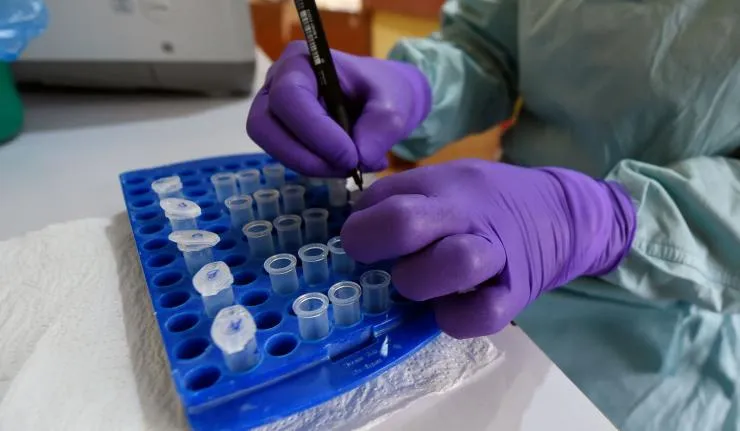
Every U.S. President in recent decades has had to respond to at least one pandemic disease. Political leadership has proven decisive. In the coming years, U.S. foreign policy will face at least three inter-related issues: today’s major pandemics of AIDS, TB, and Malaria; future outbreaks with the potential to become pandemics; and rising risk from infectious diseases associated with climate change. A review of epidemiologic data shows global progress on each issue is threatened. A coordinated U.S. effort, across agencies and engaged with national and multilateral partners, could save lives and…
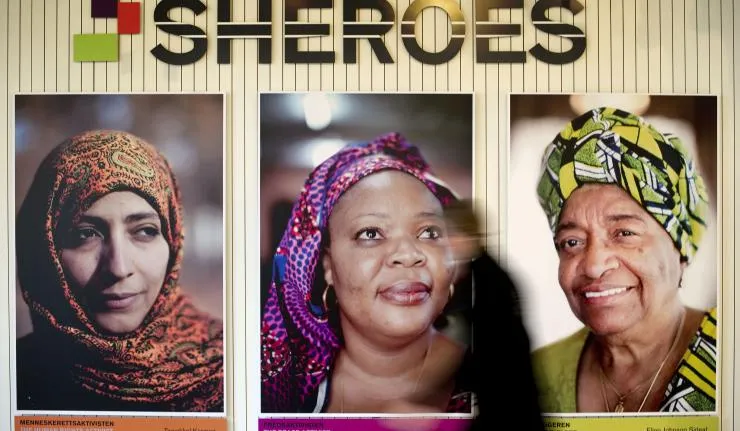
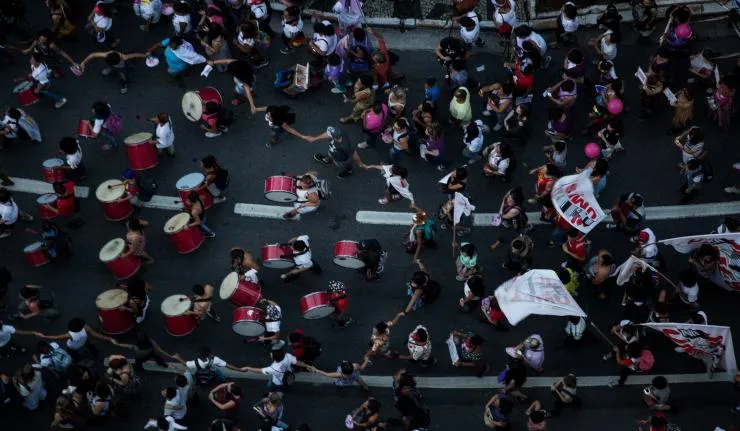
This article appeared in the Dynamics of Global Feminism issue in Spring/Summer 2019.
A Review of Governance Feminism: Notes from the Field By Janet Halley, Prabha Kotiswaran, Rachel Rebouché and Hila Shamir, Editors (Minneapolis: University of Minnesota Press, 2019), 599 pages.
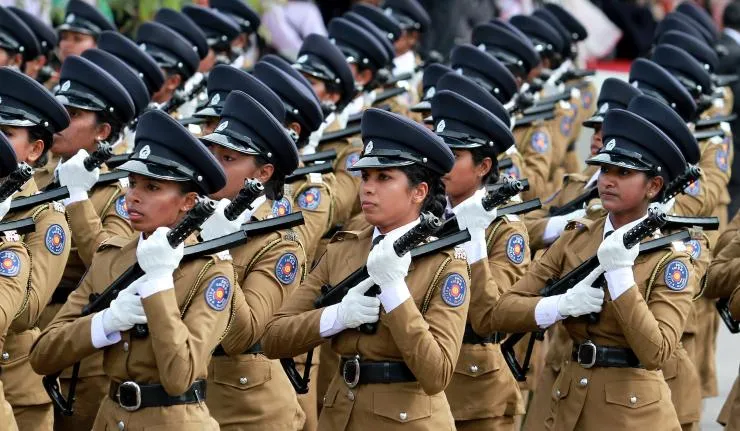
Nimmi Gowrinathan, Founder and Director of the Politics of Sexual Violence Initiative and Visiting Professor at Columbia University, studies conflict and its impact on women’s political identities. The Journal of International Affairs spoke to Professor Gowrinathan about her research on gender identities in regions of conflict, female fighters and sexual violence.
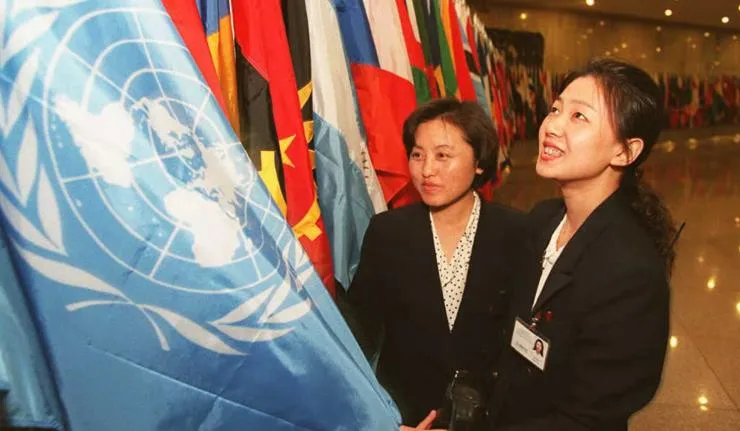
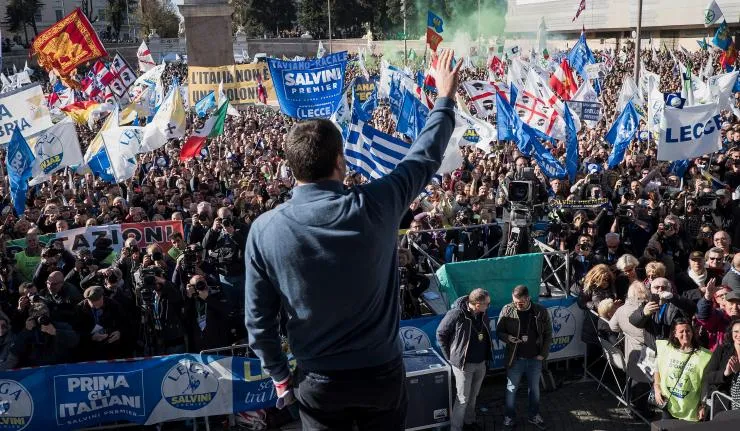
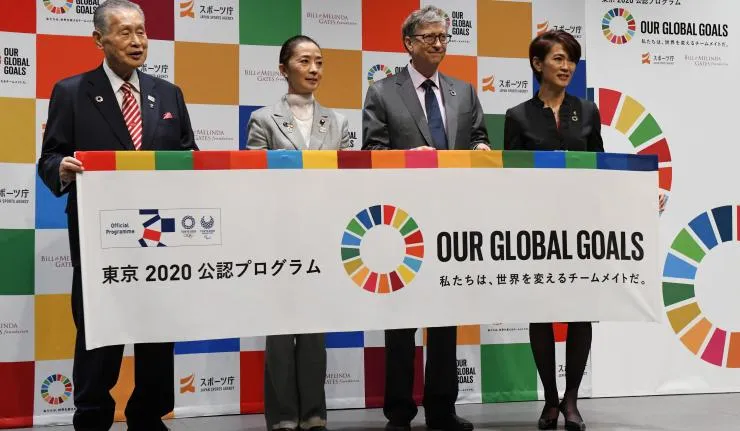
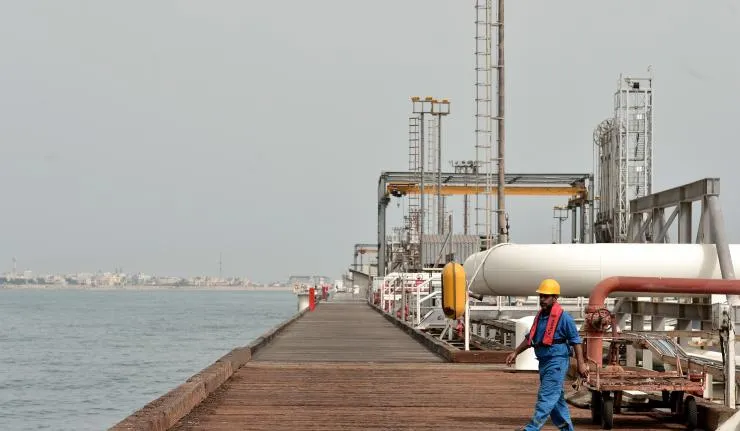
With economic sanctions becoming an increasingly popular political tool, Alexander Rustler argues that more attention must be paid to these sanctions’ longstanding ramifications on the environment. He does so by taking a closer look at the situation in Venezuela, Iran, and Russia.
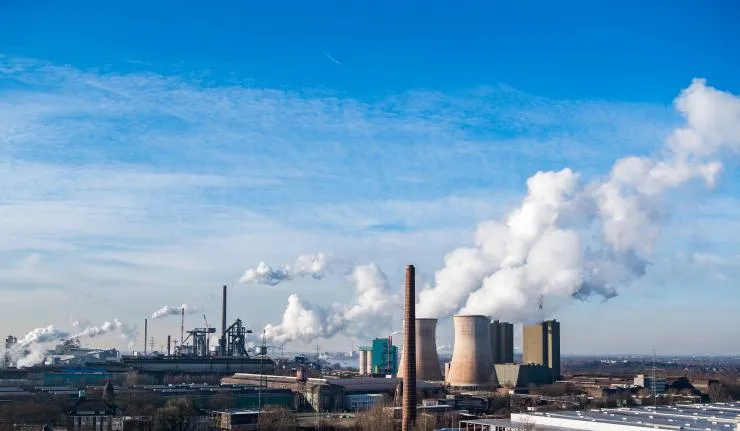
With the planet’s climate at risk, central banks have begun to consider monetary policy that may reduce environmental damage while simultaneously ensuring financial stability. By joining the fight against climate change, central banks could have a significant impact on the world’s progress towards a sustainable future.
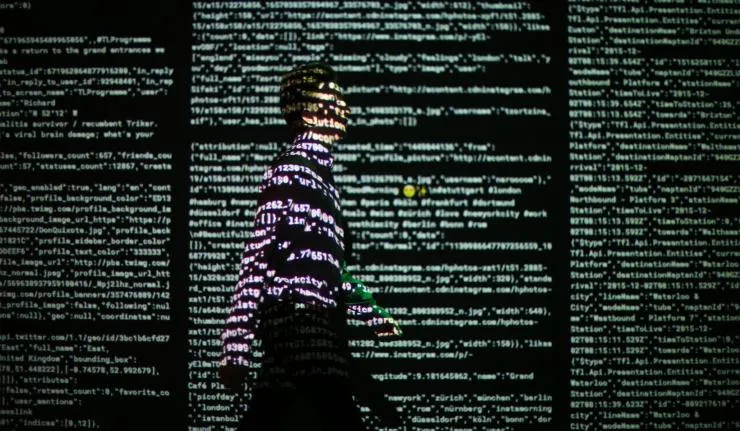
As Russia and China express intent to wall off Internet access, Matthew Flynn points to a long history of isolationism as an early sign of decline for great powers. He argues that, in a world where geopolitical battles increasingly enter the online arena, the winners of the 'war' in cyberspace will be those who continue to value and promote an open Internet.

On 13 March 2019, the International Labour Organization (ILO) hosted an event at SIPA to honor the organization’s centenary. The event, entitled “Investing in People at Work,” brought together representatives from the private sector, government and academia for a series of panel discussions examining economic and policy responses to addressing the challenges of today’s changing workplace.
After the event, Columbia University’s Journal of International Affairs interviewed several of the panelists to discuss the role of the ILO in an era of rising nationalism, the causes…