

New York has the opportunity to be a model global city, advancing equity internationally through smart public policies and partnerships. Cultural differences and varied constituencies can make it difficult to coordinate global public policy changes, but annual voluntary local reviews can ensure a level of accountability. New York and its peers should pragmatically integrate global philanthropic organizations in public policy design and coordination. New York can lead on climate change and food security, and must seize its opportunity to be a global leader on racial and gender justice.
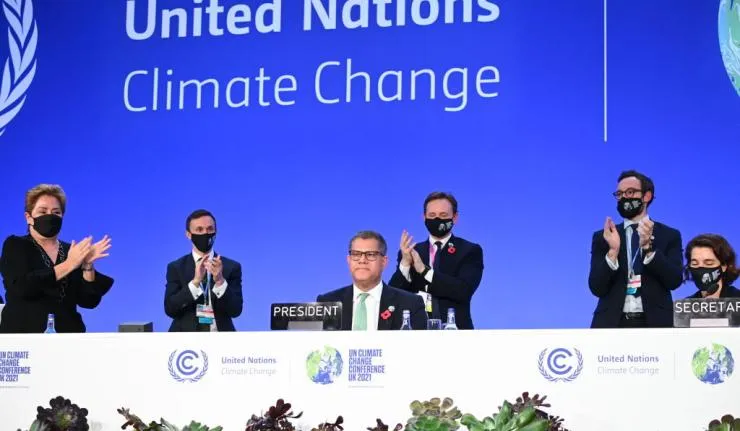

While the region of Latin America and the Caribbean (LAC) remains in troubled waters due to COVID-19, Russia and China have been throwing lifelines with their vaccine diplomacy schemes. The United States has remained on the sidelines, focused on vaccinating citizens at home and, consequently, underlining the severity of global health inequalities. Now, after reaching satisfactory domestic vaccination levels, the United States is pivoting towards helping raise inoculation rates in developing countries. But vaccine donations will not be enough, especially in Latin America and the Caribbean,…
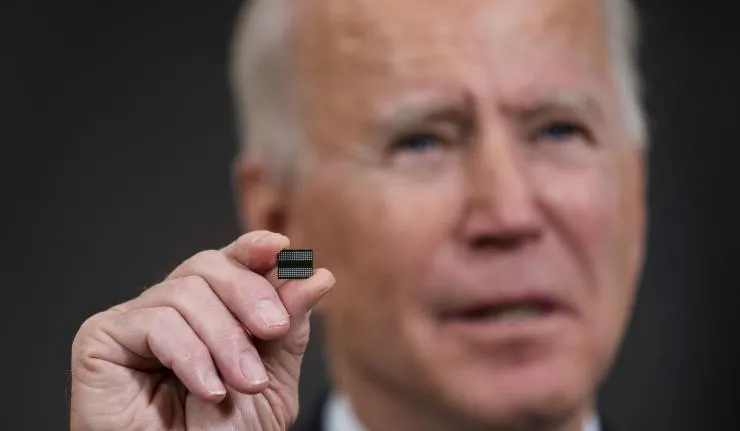
Technological and economic decoupling is materializing in some parts of the digital economy, with risks of large global welfare losses. While this is often motivated from a security perspective, there are also fundamental economic reasons for a country to erect trade barriers and in effect promote decoupling. One result, also found in the trade literature, is that banning imports may be optimal in monopolistic sectors, such as the digital sector. But more novel is that banning exports can also be optimal from the perspective of a technological leader, as it prevents technological…
One of the world's longest lockdowns has disrupted the growth trajectory of the Philippines. From Asia's darling, it is on the verge of reclaiming its old status as the region's sick man. However, the country can still bounce back and mitigate the impact of the pandemic on its consumption-driven economy.
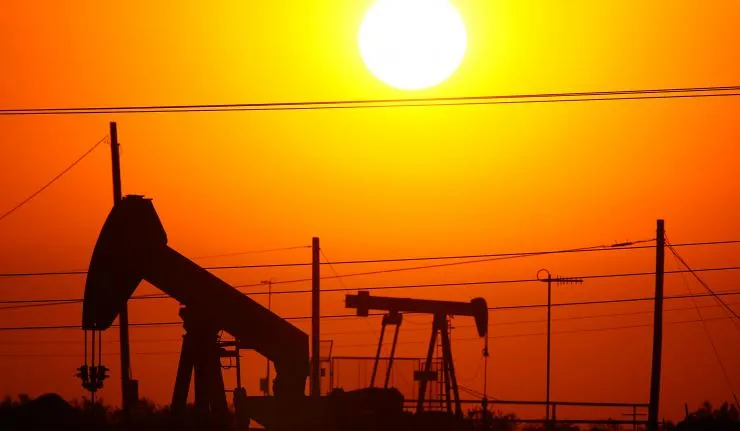
The “Big Three” global oil producers’ strategies have changed in response to three crises that affected oil markets in the last seven years. While the problems related to the cyclical calamities are familiar, the clean energy transition’s anticipated challenges are new. This article reviews the responses and strategy adjustments by Saudi Arabia, the United States, and Russia, and outlines new areas of uncertainty.

Brazil and Mexico experienced the first signs of the COVID-19 pandemic roughly at the same time. A year later, Brazil is one of the countries that has provided the most financial support to its population during the pandemic and Mexico is among the countries that have spent the least. Yet, the increase in debt as a proportion of GDP in Mexico is similar to Brazil’s, highlighting the great paradox that austerity will not bear the expected fruits and actually increase the national debt in the same manner greater spending would. The different approaches resulted in Brazil’s…
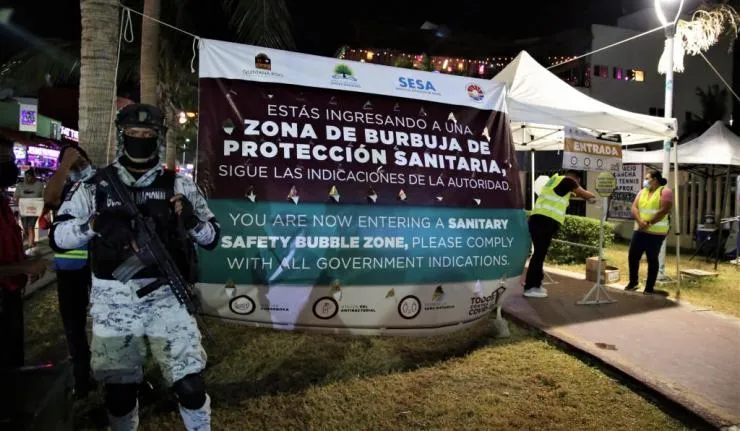
For many Caribbean countries, COVID-19 has generated the largest single-year economic contraction on record. While the future remains uncertain, we know that policymakers will continue to be faced with difficult decisions regarding how much to spend to mitigate the effects of the crisis, while also ensuring that fiscal and debt outcomes do not spiral out of control. But perhaps the most interesting question is whether governments can take advantage of this opportunity to rebuild their battered economies in ways that help mitigate vulnerabilities to future shocks, which can also help accelerate…
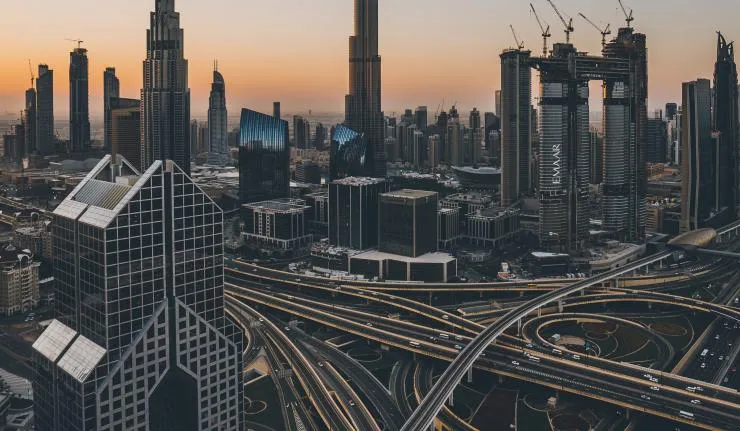
The United Arab Emirates faces tough economic challenges in 2021 and beyond. The coronavirus and the resulting crises have caused its most important industries to struggle, endangered retaining its expatriate residents, and obstructed global investments. Nevertheless, its economic pillars allow it to enjoy a position of strength while battling for regional economic influence and pursue a sound economic recovery.

It is hard to crack down on tax havens because powerful actors use them and powerful countries are them. In a globalized world where countries seek to attract mobile capital, they offer financial incentives such as low tax rates, loopholes, and lax regulations. However, the billions of dollars flowing in also harm receiving countries as they spiral into a race to the bottom and create economically extractive financial sectors. Fortunately, there are promising paths for policymakers, corporations, prosecutors, and civil society to take on tax havens, providing a new opportunity for the Joe Biden…
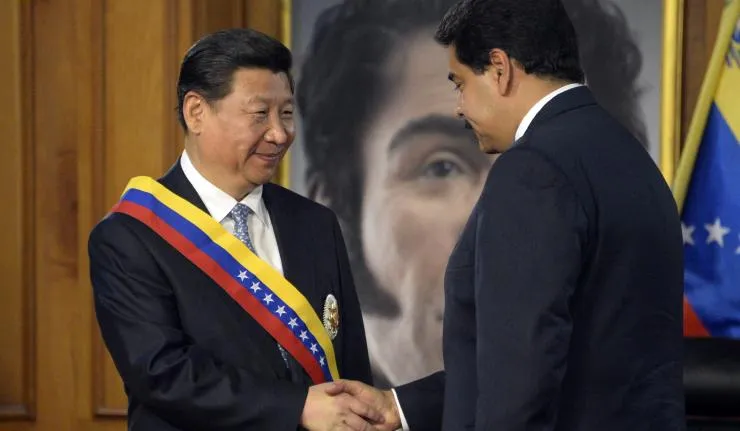
By turning a blind eye to Venezuela's economic and human rights disaster denounced by the UN Human Rights Council, China ignores the politically important anti-Maduro sentiment in the Latin America and Caribbean region. China's long-term strategy in the region—and its claims to be a responsible global power—can be harmed.
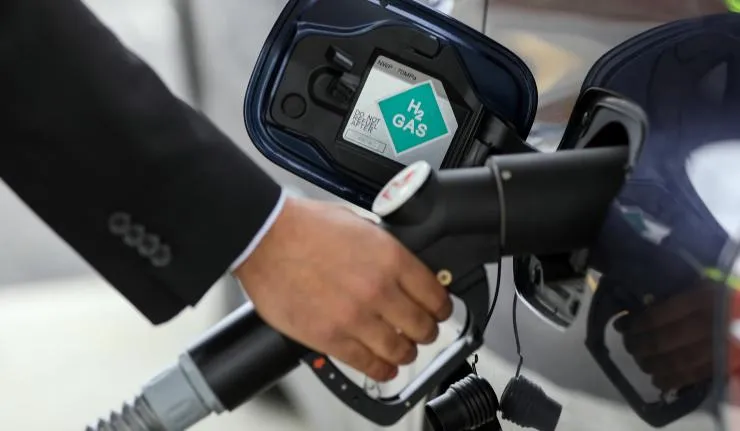
Hydrogen is increasing in importance as a greener alternative to fossil fuel energy sources. As hydrogen's usage, production, and trade grows, the global energy system and geopolitics of energy will change, prompting developments in infrastructure and requiring policy makers to rethink their strategies.