
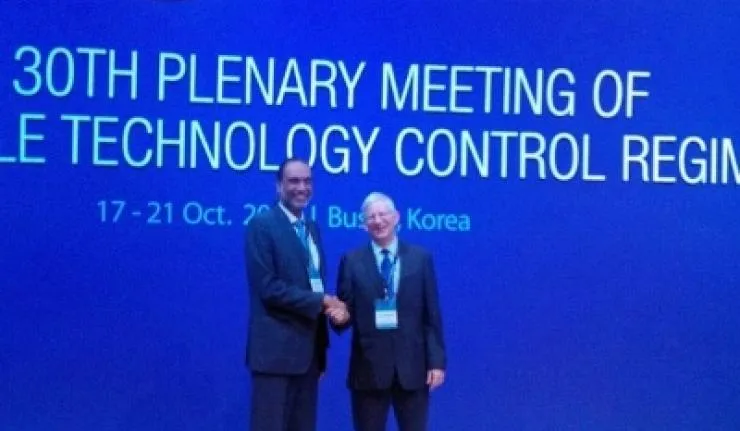
India was denied membership to an exclusive grouping of states called the Multilateral Export Control Regimes (MECRs) for nearly three decades following India’s Pokhran-I nuclear tests of 1974. Former Indian foreign minister Jaswant Singh termed this period of disregard by the West for India’s strategic interests “nuclear apartheid”. India’s lack of access to critical technology and material resources affected both its military and civilian sector. However, this “apartheid” began to unravel post the historic U.S.-India Nuclear Agreement of 2005. India was granted a waiver to the Nuclear…

Pakistan has a notorious and well-documented history of disrespecting the rights of religious minorities and enabling their rampant persecution. During a crisis like COVID-19, it is especially important for a country to prioritize the health and well-being of all its citizens. Instead, Pakistan has seen an increase of religion-oriented hate crimes and forceful conversions. This article highlights the roots of the inherent prejudices against minorities in Pakistan and how these have come to the fore during the pandemic.
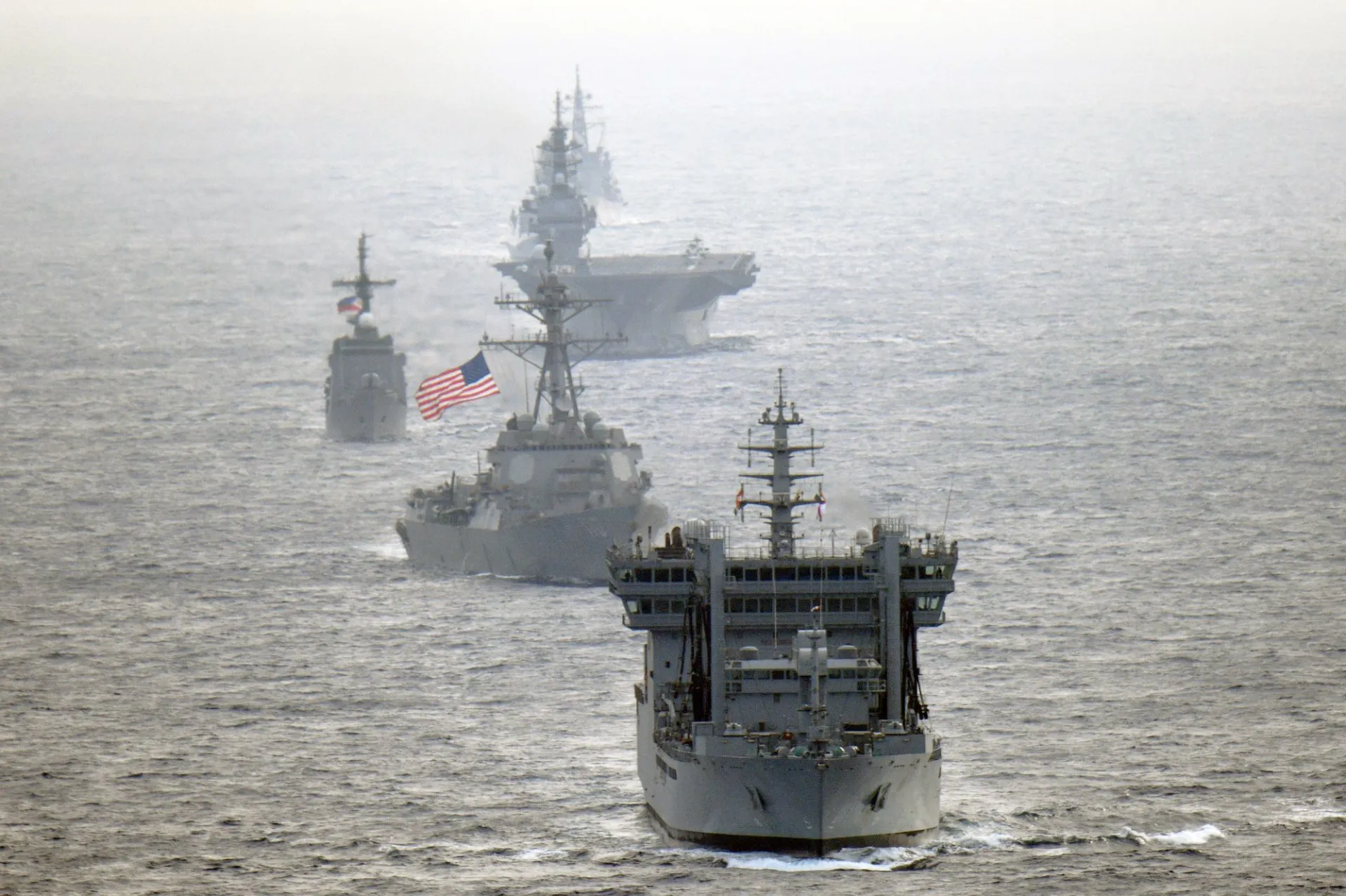
Alfred Thayer Mahan was an evangelist of sea power in the study of geopolitics. The essence of his vision was that sea power serves as the crux for the United States (U.S.) to control and influence world affairs. Today, three factors challenge his assertion: the rise of China, Trump’s unstable and unsustainable alliance system, and the devastating effects of the COVID-19 pandemic. Applying Mahan's vision to present day would imply that in order establish supremacy over the seas and achieve a favorable world order, the U.S. must forge a robust and functional alliance and partnership with like-minded…
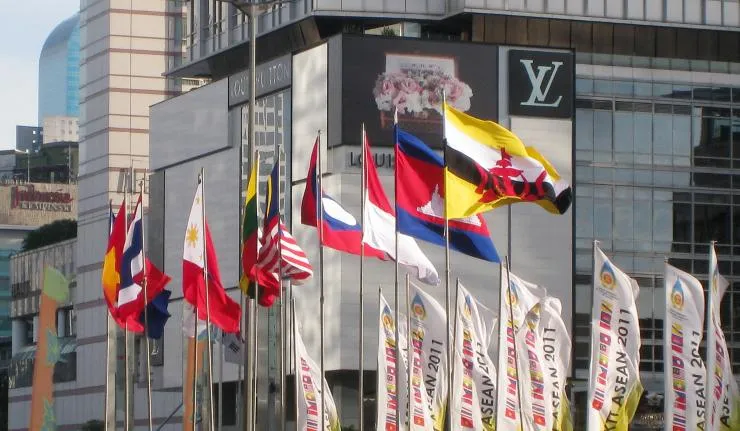
The COVID-19 pandemic has made clear that global health crises are geopolitical events with far-reaching and long-lasting effects across the globe. It creates prodigious disruptions across economic, security, and social sectors, with spillover effects through trade, financial linkages, and tourism, to name the least. This essay argues that as the American-led order in Asia arguably falters, instead of China rushing to fill the post COVID-19 vacuum, it is Asia’s middle powers, in particular Japan and India, that should endeavor to envision and shape a new order led by Asian regionalism.
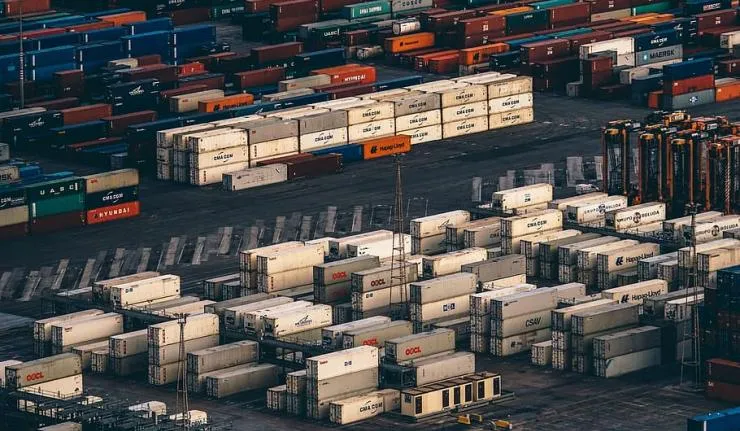
In October 2016, the Philippine government reaffirmed its commitment to advancing cross-border trade by successfully ratifying the World Trade Organization (WTO) Trade Facilitation Agreement (TFA) which mandates agreed parties to streamline their customs procedures and improve the flow, discharge, and clearance of goods across borders. The quicker, smoother movement of goods to and from the country is crucial for the Duterte administration, which seeks to sustain economic growth through local firms’ increased participation in international trade and global value chains.
…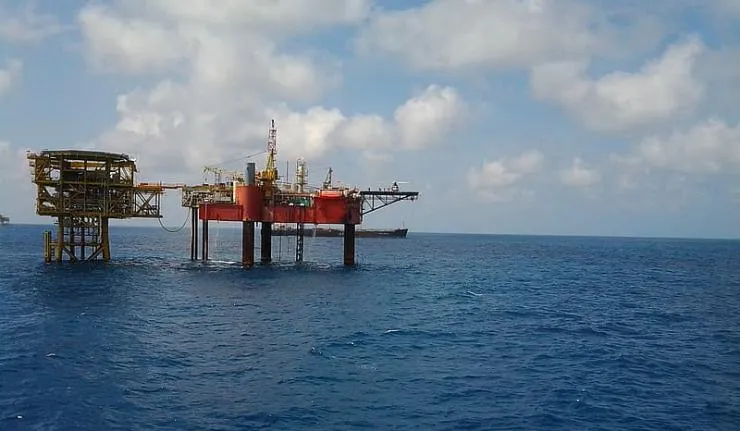
In a historic first, global energy markets witnessed the crude oil price plunge to sub-zero levels. While oil-producing nations are likely to face budgetary crises due to the ongoing market meltdown, the implications for oil-intensive economies like India are mixed: despite the pandemic-induced demand destruction, India’s crisis can be leveraged with the help of careful policy maneuvering.
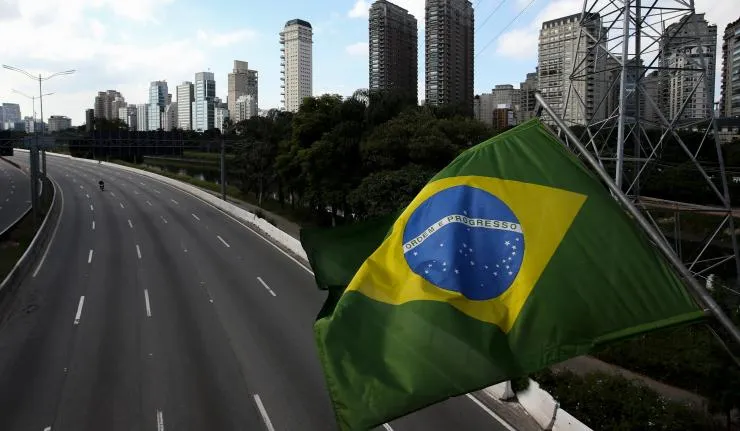
In developing economies, the COVID-19 crisis will be a catalyst for technology-enabled solutions, and for FinTech in particular. It has been a year since Brazil began to regulate its use of positive data in credit scores, and this has provided a useful lesson for how smarter scores can impact credit dynamics and their limitations.
Mozambique’s two civil conflicts are both results of the country’s defining challenge: managing its transition into becoming a fossil fuel economy.
Mozambique’s two civil conflicts are both results of the country’s defining challenge: managing its transition into becoming a fossil fuel economy.
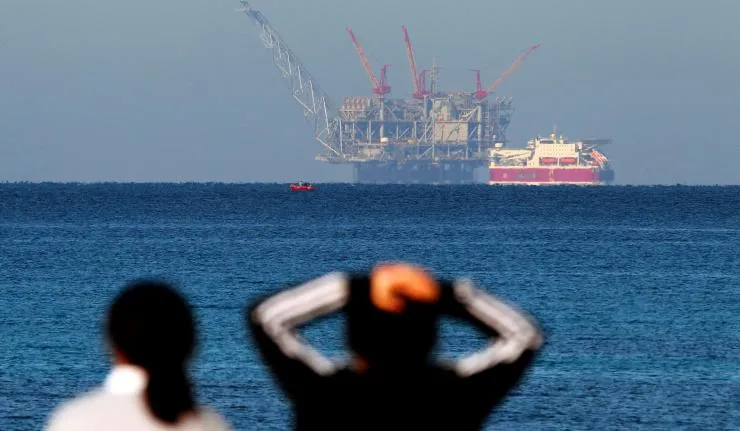
Mozambique’s two civil conflicts are both results of the country’s defining challenge: managing its transition into becoming a fossil fuel economy.