
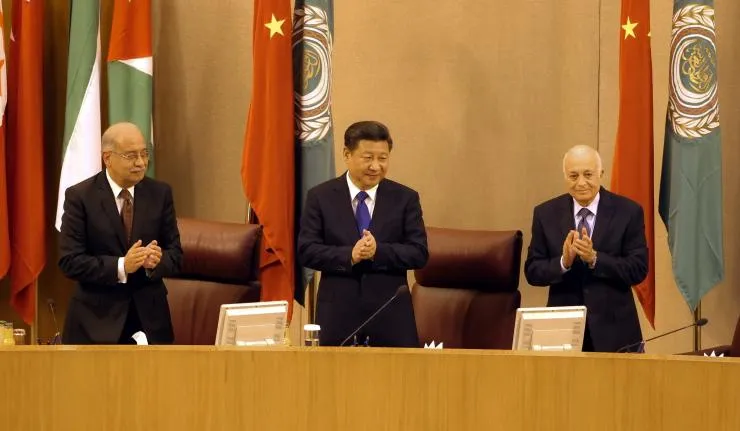
The United States remains the largest arms dealer in the Middle East, but over the past four decades China has emerged as a “Plan B” to meet arms demand in the region. Al Saud discusses how China’s win-win approach to economic diplomacy has bolstered its arms trade and argues that the Arab World may have found a willing partner for years to come.

The upcoming G-20 summit in Argentina prioritizes the future of work, searching for ways to meet the challenges of a digitized economy. Francisco Rivera-Batiz analyzes the economic and policy implications of increasing automation on the labor market.
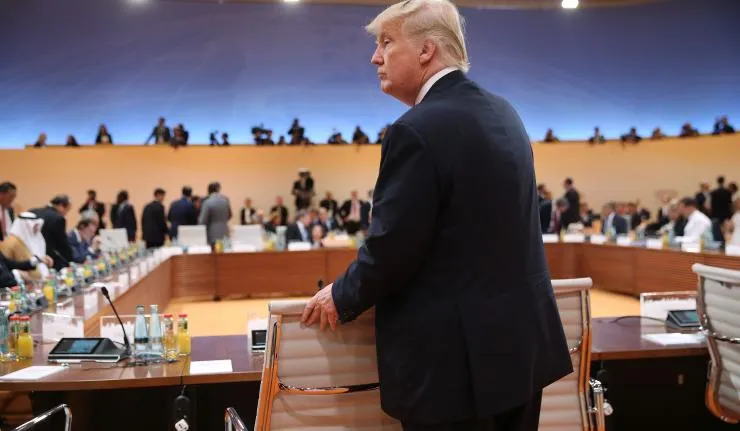
It has been ten years since the Group of Twenty (G20) became the world’s premier forum for global economic cooperation. Arguably, it has had a successful decade. Yet, instead of celebrations, the G20 is now facing its toughest test yet: can it survive, and more importantly have meaning, in a zero-sum world?
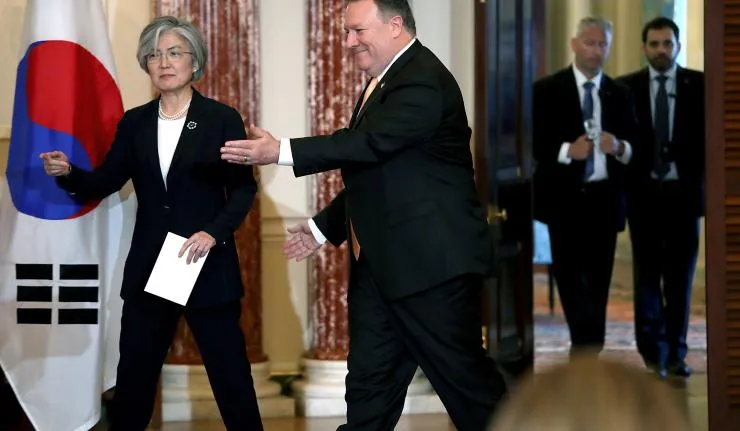
As a trade war mounts between the United States and China, South Korea has found itself caught in the middle. Seunghyun Han assesses the ways in which South Korea can mitigate risks to its export-oriented economy and use the trade war as impetus to pursue new market opportunities, particularly in Latin America.
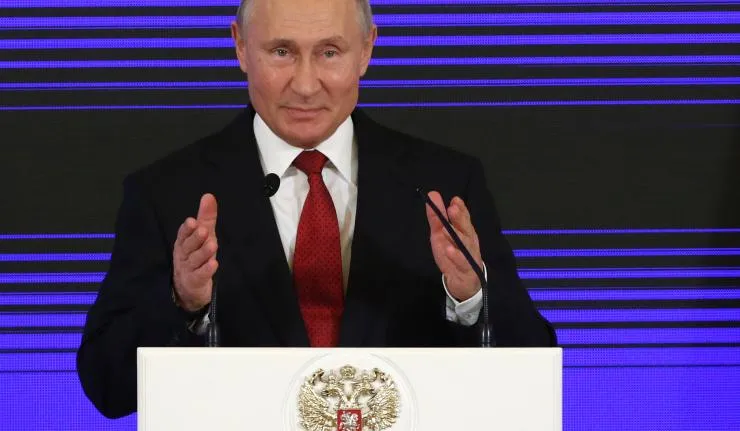
A decade ago, influential Russian analysts concluded that the emergence of a multipolar world was inevitable, and that Russia could benefit from this transition by adopting a strategy that combined great power realism and “traditional” Russian values.This strategy, first elaborated in Vladimir Putin’s Valdai Speech of 2013, has since come to be known as “civilizational realism.” This essay describes how, through civilizational realism, Russia hopes to forge a new, and more ‘congenial’ world order.
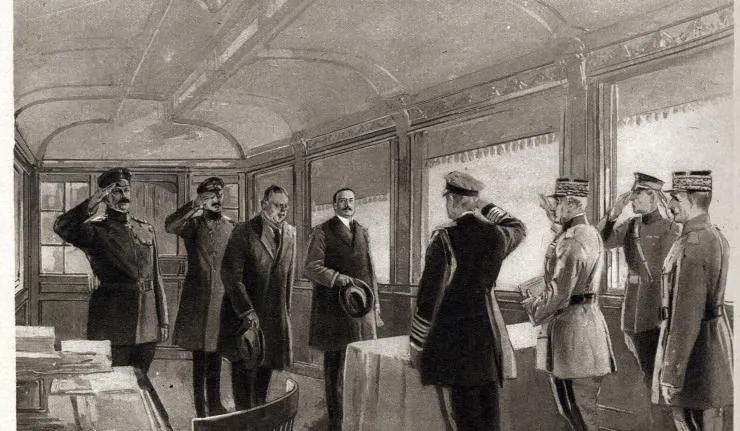
The epoch-making failure of the Versailles conference to address legitimate Chinese concerns and reconstitute Chinese sovereignty over Shandong unleashed social energies that continue to shape the Chinese worldview today. Yet it is exactly the historical lesson from the Shandong incident and the inalienable philosophical psyche of Shandong that can be a source of immense inspiration and stimulate creative action at a time of a dangerous Sino-US diplomatic quandary.
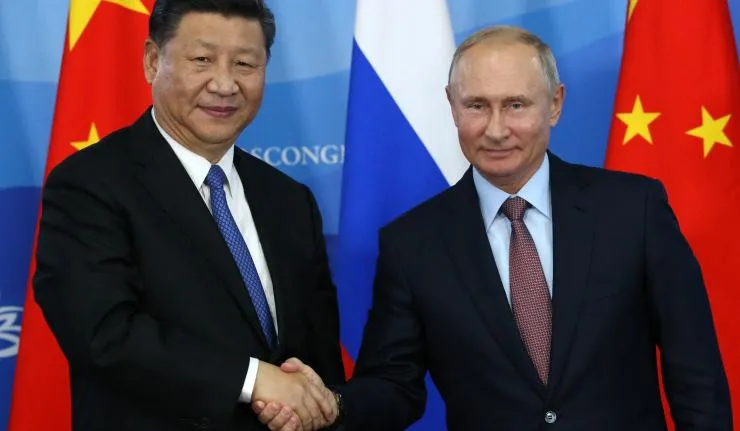
Tensions with the West since 2014 have contributed to Russia’s attempt to “pivot East” and coordinate with China on providing energy supplies. China is already Russian oil’s biggest customer, and in 2019 importing Siberian gas thanks to the massive “Power of Siberia” pipeline. But how far will Russia-China cooperation work? What are the risks for Russia? Will it become an “energy appendage” of Beijing? Ernesto Gallo and Bruno Sergi examine the changing dynamics of the relationship between Russia and China.
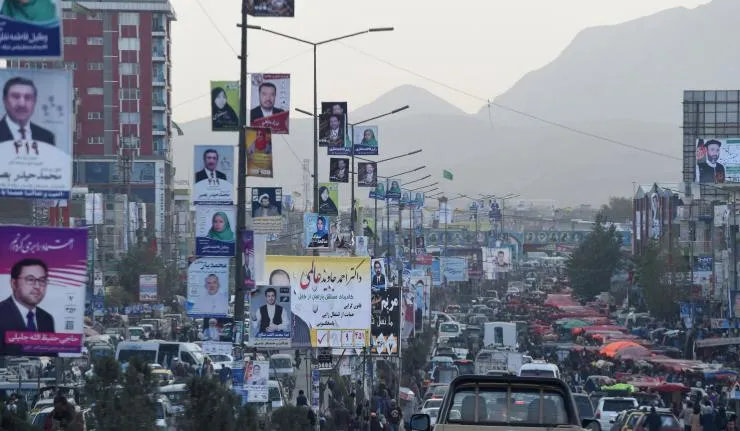
Robert D. Crews analyzes the impact that a growing young urban population and civil society will have on Afghanistan’s upcoming parliamentary elections. In a country rife with political instability, these new actors may have the power to shape the future.
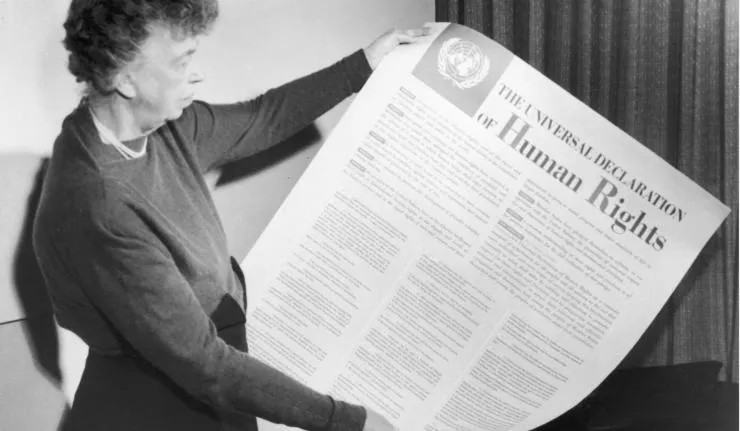
This article originally appeared in the Journal of International Affairs' Special 70th Anniversary Issue in 2017.
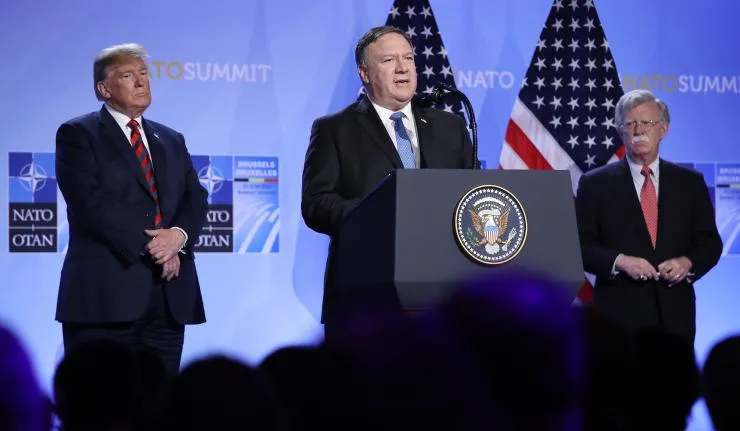
Michal Bokša and Caitlyn Hendricks-Costello examine the recent U.S. turn toward "politics of force" and its potential long-term ripple effects for NATO and NAFTA. With a look back at Moscow in the 1980s, they argue that the White House is expending international political capital at an unsustainable rate, to a point that U.S. global influence may be compromised well beyond the current administration.
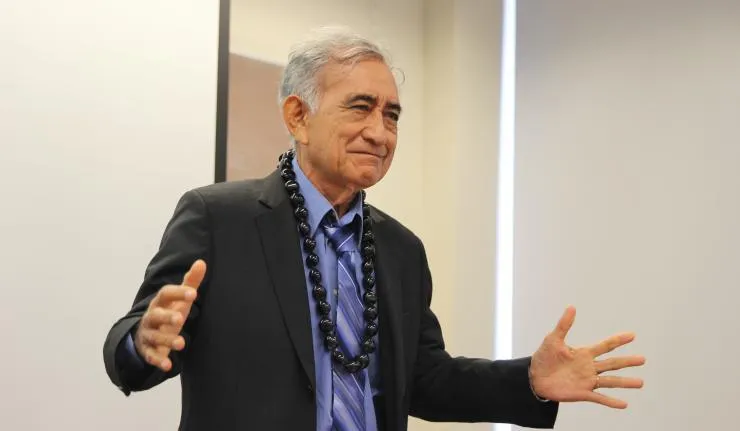
French Polynesia (FP) is composed of more than 100 islands in the South Pacific, spanning an area larger than continental Europe. France has governed this remote island nation since 1842, although FP has acquired increasing autonomy over domestic affairs since the 1940s. Currently, French Polynesia is considered an “overseas country” of France, which means Paris retains authority over the island’s security, foreign policy, currency, and justice system.
From 1966 to 1996, the French Government tested nearly 200 nuclear bombs on two atolls—a reef or chain of islands formed by coral—in…