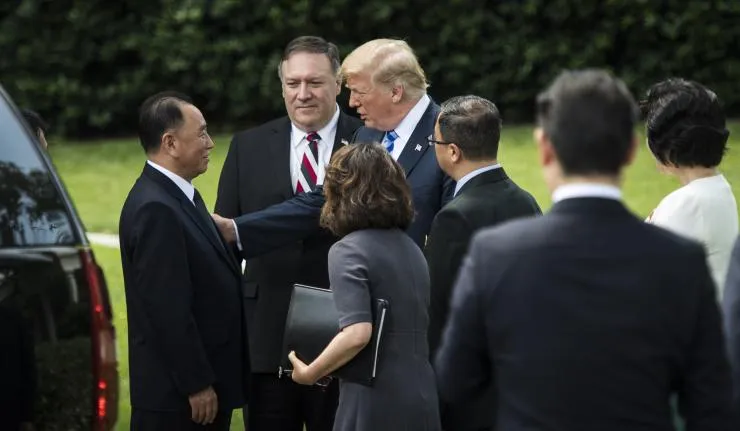
The 20th anniversary of the reign of King Mohammed VI of Morocco is a timely opportunity to analyze the interaction between the kingdom and its diplomatic counterparts, in particular how Morocco approaches its diplomatic relations. The concepts of “Middle Power” and “Middle Power diplomacy,” developed by scholars out of international relations and diplomatic practice theories, help provide a conceptual framework for assessing Morocco’s contemporary diplomacy.
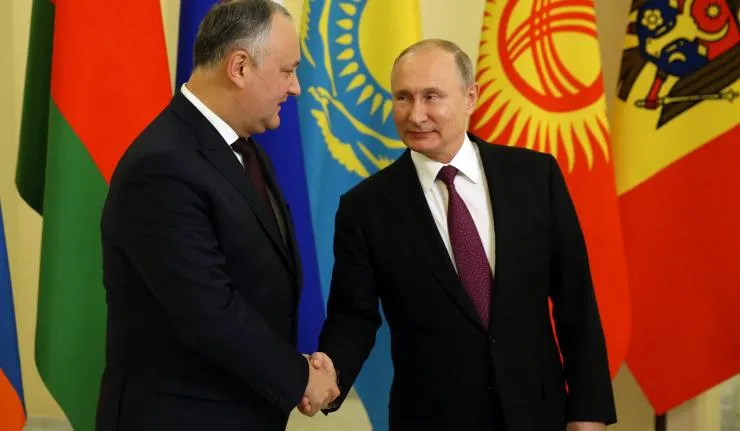
Since the collapse of the Soviet Union, Russia has employed different policies meant to retain influence in its near abroad, an important one being the instigation and sustainment of frozen conflicts. In Moldova and Ukraine, recent political developments increase the likelihood that Russia will soon push to implement the next stage in the frozen conflict cycle: resolution through federalization.
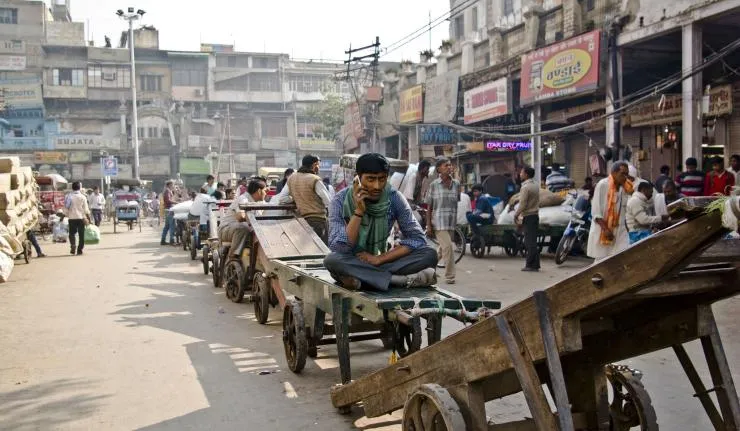
As the 2019 Indian general elections inch closer, Claire Teitelman takes a closer look at the role that social media and technology play in spreading information.

As Russia and China express intent to wall off Internet access, Matthew Flynn points to a long history of isolationism as an early sign of decline for great powers. He argues that, in a world where geopolitical battles increasingly enter the online arena, the winners of the 'war' in cyberspace will be those who continue to value and promote an open Internet.
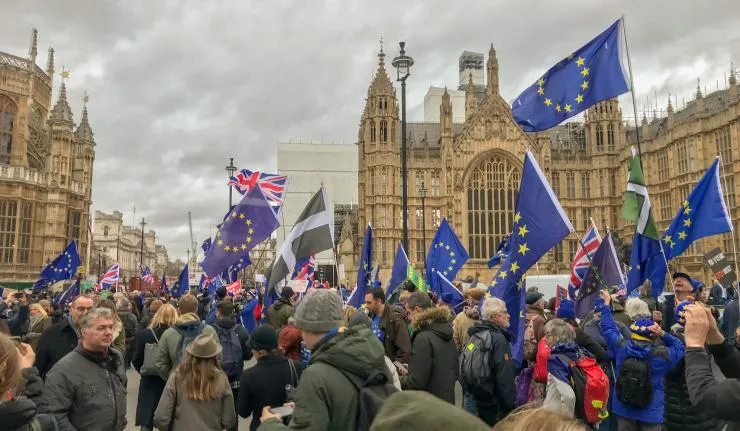
Tim Oliver unravels the issues underlying Brexit through the six I's: ignorance, influence, institutions, incoherence, identity, and isolation.

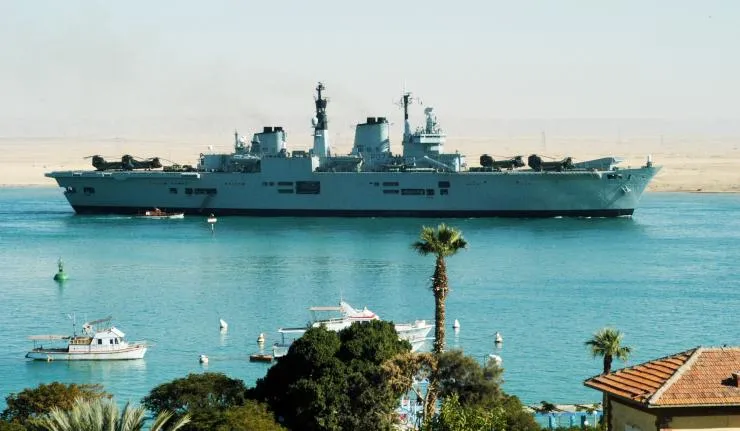
Brexit has far-reaching implications, affecting not only Britain's economic, social, and diplomatic relations, but its security and defense capacity as well. Yicheng Zhang argues that despite the UK's recent steps toward increasing military commitments in the east of Suez, a "global Britain" strategy may be untenable in the long-run.