Mozambique’s two civil conflicts are both results of the country’s defining challenge: managing its transition into becoming a fossil fuel economy.
Mozambique’s two civil conflicts are both results of the country’s defining challenge: managing its transition into becoming a fossil fuel economy.
Mozambique’s two civil conflicts are both results of the country’s defining challenge: managing its transition into becoming a fossil fuel economy.
Mozambique’s two civil conflicts are both results of the country’s defining challenge: managing its transition into becoming a fossil fuel economy.
Mozambique’s two civil conflicts are both results of the country’s defining challenge: managing its transition into becoming a fossil fuel economy.
Mozambique’s two civil conflicts are both results of the country’s defining challenge: managing its transition into becoming a fossil fuel economy.
Mozambique’s two civil conflicts are both results of the country’s defining challenge: managing its transition into becoming a fossil fuel economy.
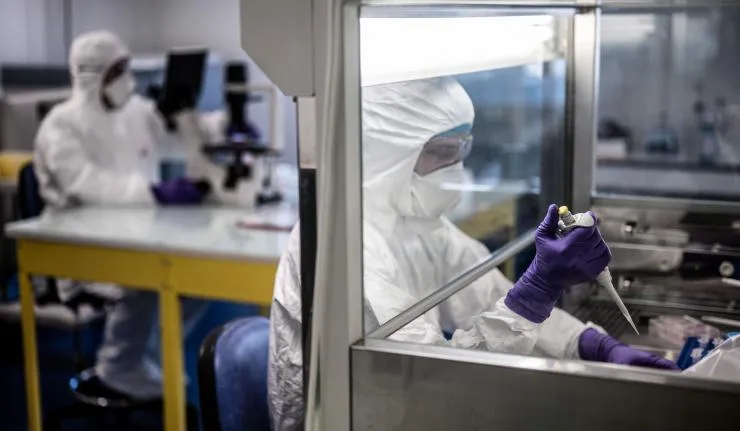
Scientists are racing to develop vaccines against the novel coronavirus. While some vaccine candidates may enter the market in record time, the current vaccine innovation ecosystem exposes governance lacunas at both the international and domestic levels.

Despite rising tensions, the United States and China must find a way to foster cooperation and mutually beneficial collaboration. This will take increased transparency, new bilateral agreements, and active efforts to combat technological protectionism.
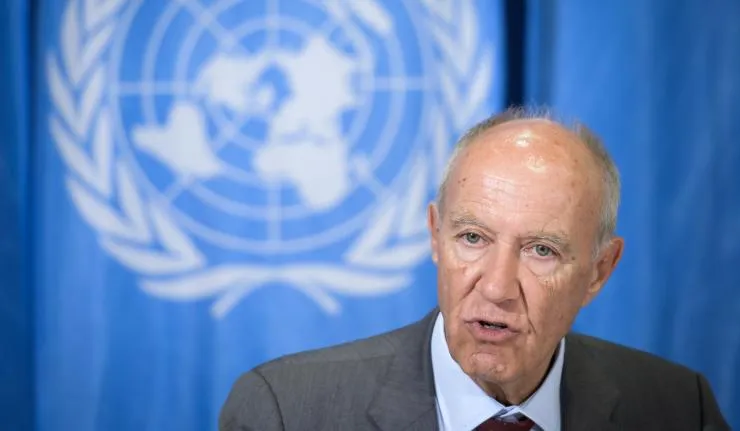
The World Intellectual Property Organization has maintained amicable relations with North Korea for decades and is now one of the most favorably viewed international organizations in the isolated socialist country. Their history of engagement may bear insights on a novel approach to building a channel for communication and effective relationship-building between North Korea and the broader global community.
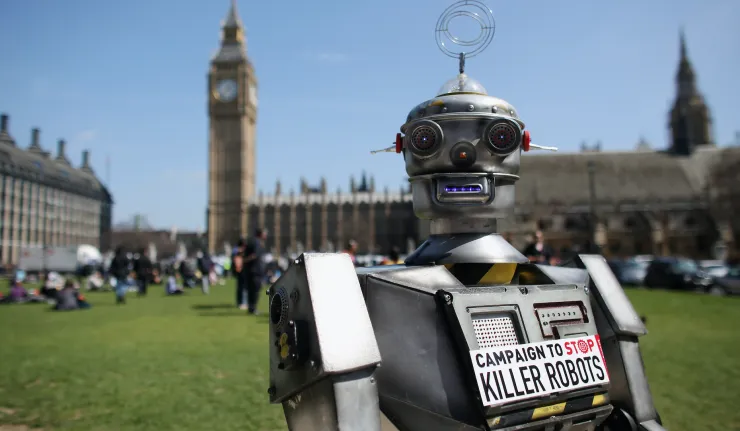
Robots have long presented a threat to some aspect of the human experience. What began with concern over the labor market slowly evolved into a full-blown existential debate over the future of mankind. But lost somewhere in between the assembly line and apocalypse stands a more immediate threat to the global order: the disruptive relationship between technology and international law.