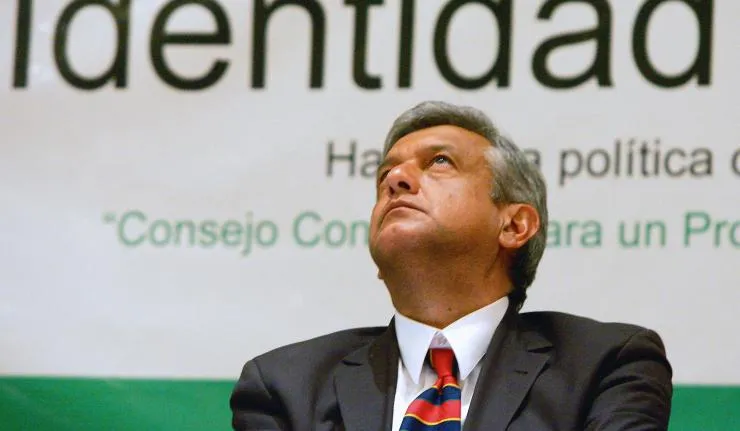
Mexican president Andrés Manuel López Obrador came to power looking to redefine the Mexican people’s relationship with their government. His first act was an overhaul of the country’s intelligence service. But against a backdrop of growing domestic and international security challenges, the reform is beginning to look like a missed opportunity.
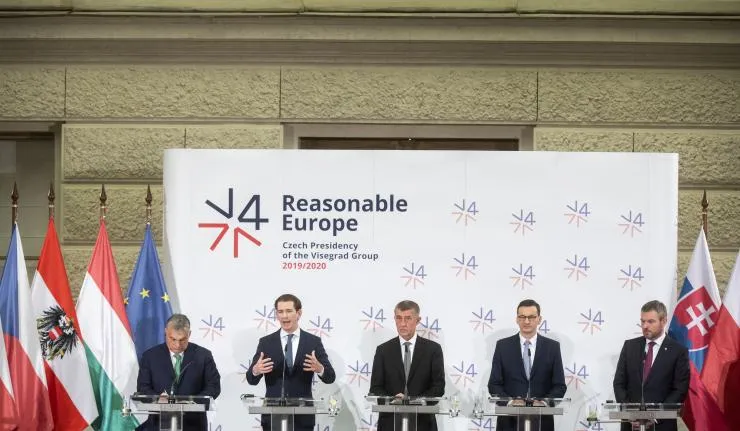
As cities grow in size and in political influence, city diplomacy is quickly becoming an important element of international diplomacy. The Pact of Free Cities signed by the mayors of Prague, Bratislava, Budapest, and Warsaw in December 2019 is the latest example of this trend.
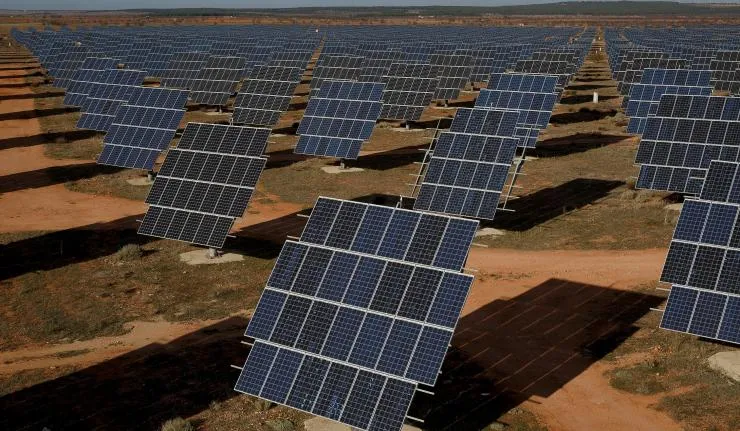
Emerging renewable energy geopolitical frameworks are defined by relations to fossil fuel geopolitics. Novel frameworks could divorce the energy economy from its association with international conflict, financial crises, and political instability.
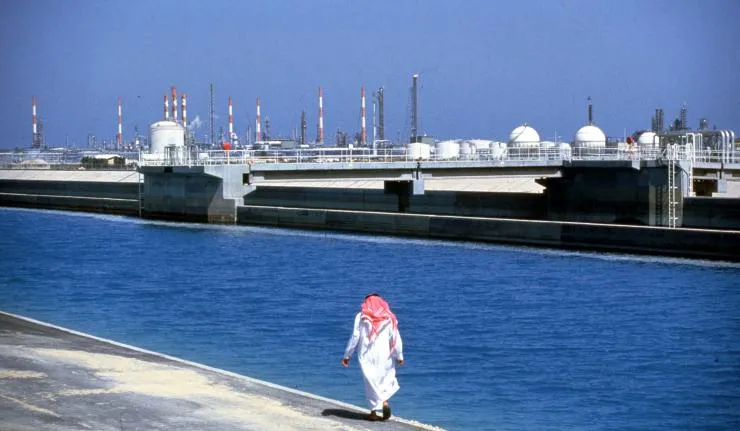
In light of the recent attack by a Saudi air force pilot at an American naval air base, it is crucial to reinvestigate the United States’ relationship with Saudi Arabia. Although President Trump placed no blame on the Saudi regime for this possible terrorist act, the three American lives that were taken as a result may be the catalyst for change in the nature of U.S.-Saudi relations.

Algeria is preparing for presidential elections on 12 December in a context of acute political crisis. The nature of the anti-government protest movement suggests the crisis can only be resolved through long-term change.
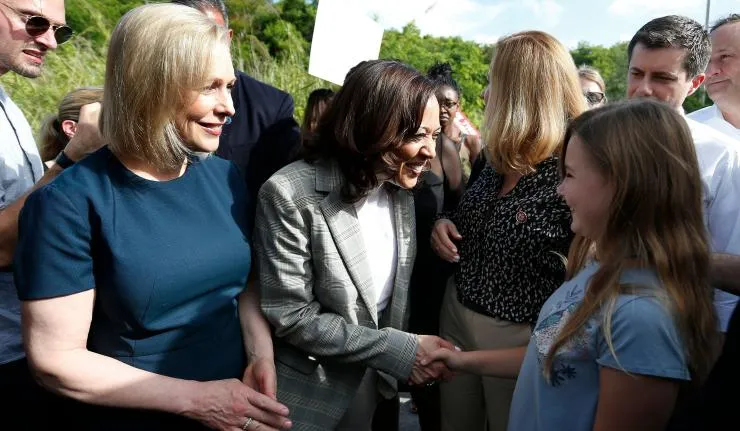
Nearly one hundred years since obtaining the right to vote, women in America have steadily seen hard-fought gains in political representation. Yet the highest office in the land, the American presidency, has eluded more than 200 women who have sought the Oval Office.1 The 2020 election may change this reality forever, as, for the first time, five highly qualified women are running for the presidency. A win by any of these leaders would bring the nation one step closer to its promise of representative democracy, and would have tremendous implications for representation and governance in both…
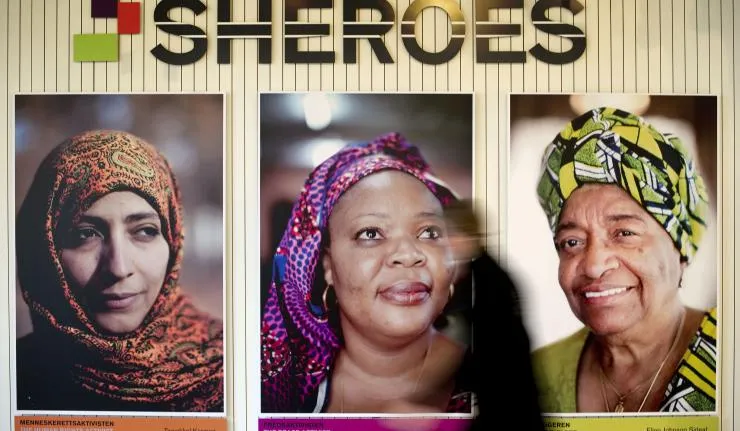
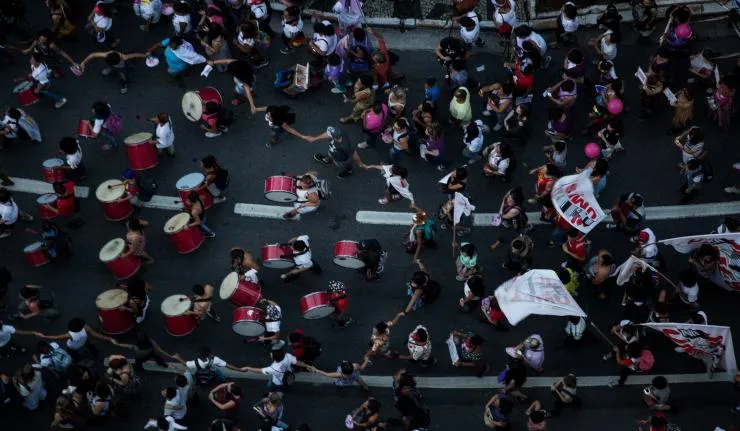
This article appeared in the Dynamics of Global Feminism issue in Spring/Summer 2019.
A Review of Governance Feminism: Notes from the Field By Janet Halley, Prabha Kotiswaran, Rachel Rebouché and Hila Shamir, Editors (Minneapolis: University of Minnesota Press, 2019), 599 pages.
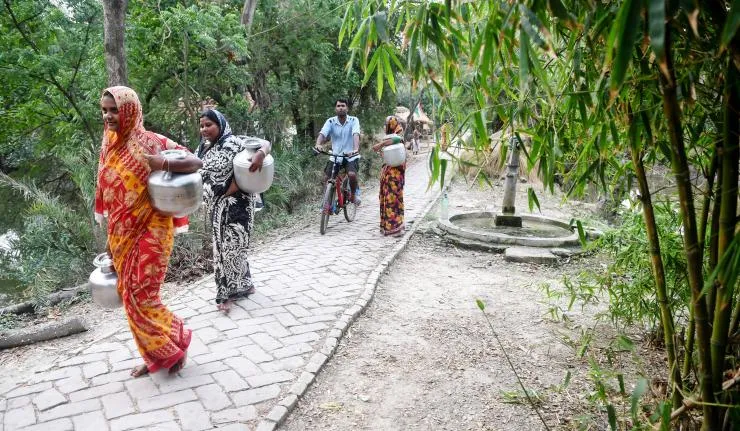
India is considered to be one of the most vulnerable countries to climate change, and is facing impacts on the environment and its people from projects across sectors. This article addresses the role of the country’s financial sector in mitigating these impacts through environmental and social risk management practices in project financing.