
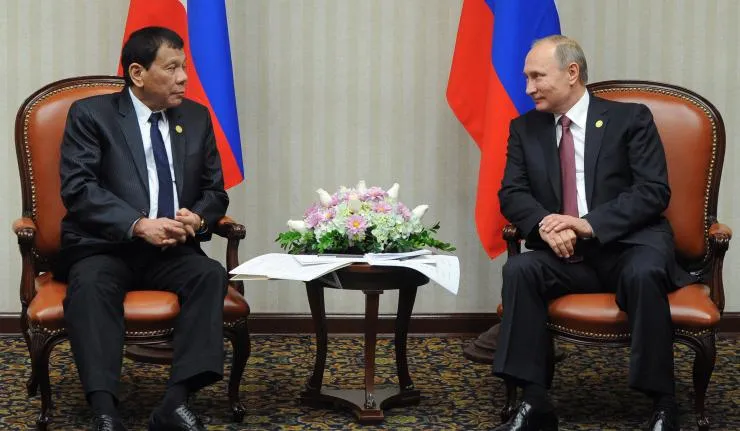
The global rise of personalist ‘strongman’ regimes has transformed the way autocracies use digital media to spread ideologies and influence public sentiment. Camille Laurente explores how personalist rulers in Russia, North Korea and the Philippines exploit new media strategies to impact socio-political behavior.
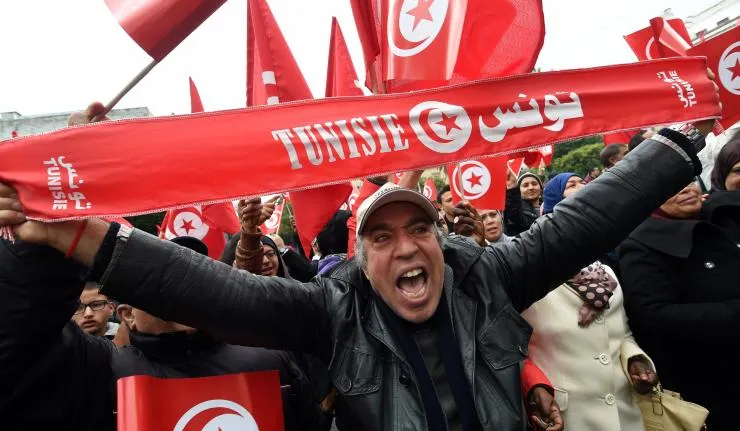
The events in Tunisia during the 2011 Arab Spring illustrate both the power of information communication technology to help mobilize anti-government protestsandhow democratization requires more than digitally networked protests, argues Wofford College’s Dr. Rachel Vanderhill.

The Kurdish leader Selahattin Demirtaş and his Kurdish constituency could decide the fate of Turkey, argue researchers Huseyin Tunc and Dr. Haluk Baran Bingol.
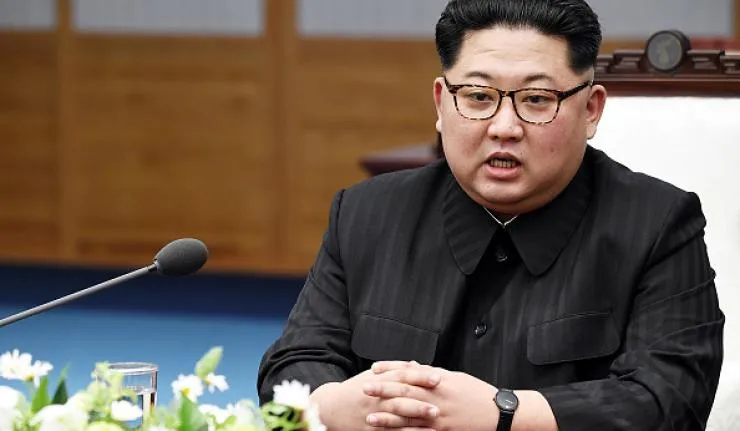
As the landmark meeting between American President Donald Trump and North Korean leader Kim Jong Un becomes more likely to occur in the next month or so, Katrin Katz provides a guide on how to prepare the President for this high-stakes summit in this companion piece to her recent article, written with co-author Victor D. Cha, in the May/June 2018 issue of Foreign Affairs- "The Right Way to Coerce North Korea: Ending the Threat Without Going to War".

When examining the sources of terrorism, analysts rank poverty at the top of the list. Recent studies show that the 'terrorism-poverty nexus' may not be as clear as once thought. Here, Marc-Olivier Cantin argues for a more nuanced understanding of the effects of poverty that may lead to radicalization.
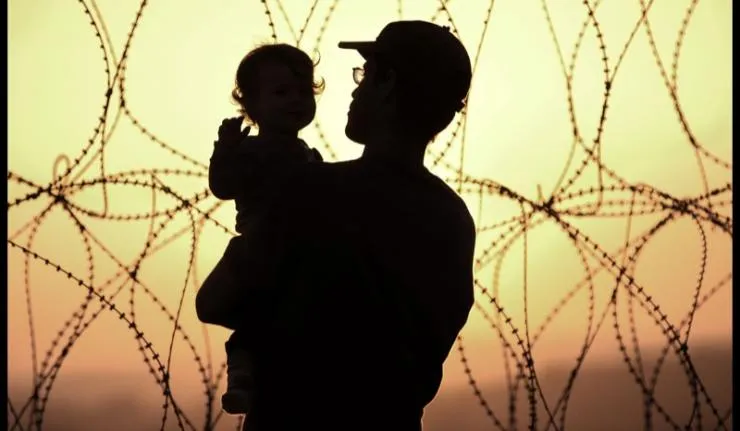
Jewish Israelis no longer risk being the minority as the fertility rate among Palestinians and Israelis in Israel is now equal at 3.1 births per woman. Will changing demographics shift the political outlook?
Image by Rusty Stewart: "A Jewish family watch the sun set over the West Bank from their Settlement."
This article suggests an alternative way of reading Article 31(1) of the Refugee Convention on non-penalization of refugees so that asylum claimants and refugees within the jurisdiction of a state may also benefit from the protection of non-penalization. When read purposively, rather than in a literal, textual manner, Article 31(1) may be used to fill the gap created when asylum claimants and refugees are not yet able to reach the territory of a state while at the same time not able to return to territories where they experience a ‘well-founded fear of persecution’. In light of the ongoing…

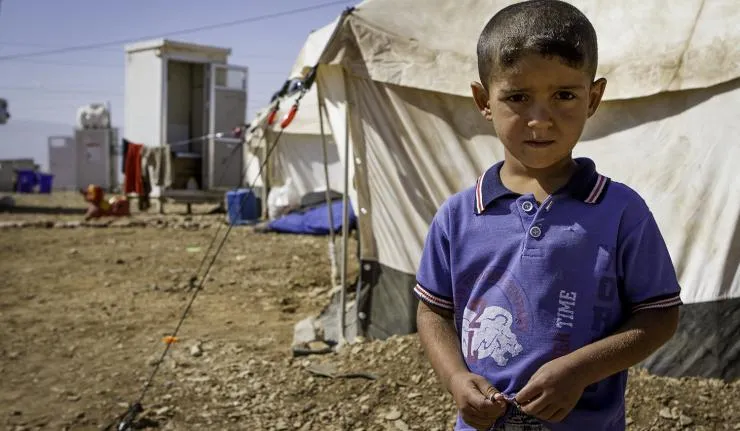
Moments of catastrophe that destroy communities often provide opportunities to rebuild them to be more resilient to preexisting harms. The challenge lies in spotting and seizing those opportunities. With the re-takeover of Mosul and other cities formerly controlled by the Islamic State, the rapidly growing demand for shelter in Iraq continues unabated. Yet the dearth of supportive services in many affected communities continues. One obstacle is an Iraqi policy that effectively forbids local organizations from providing shelter. The potential solution lies in international allies partnering with…
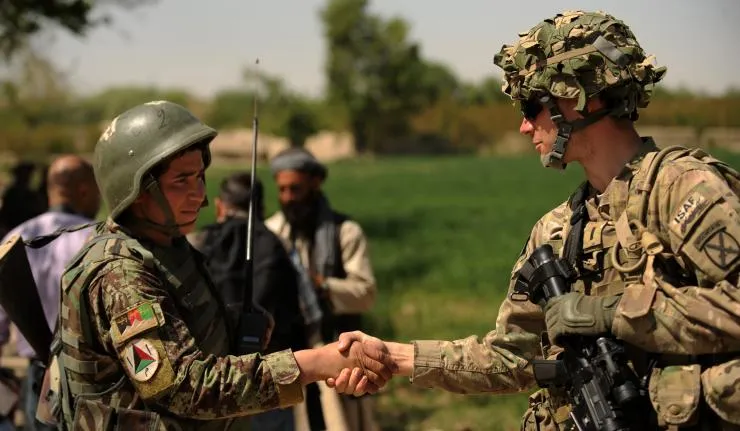
For almost 20 years, the U.S. and its international allies have maintained a presence in Afghanistan with attempts to rebuild the country coming in fits and starts. Here, Adam Simpson argues for a paradigm shift in the way we view statebuilding as the only path towards a sovereign Afghanistan.
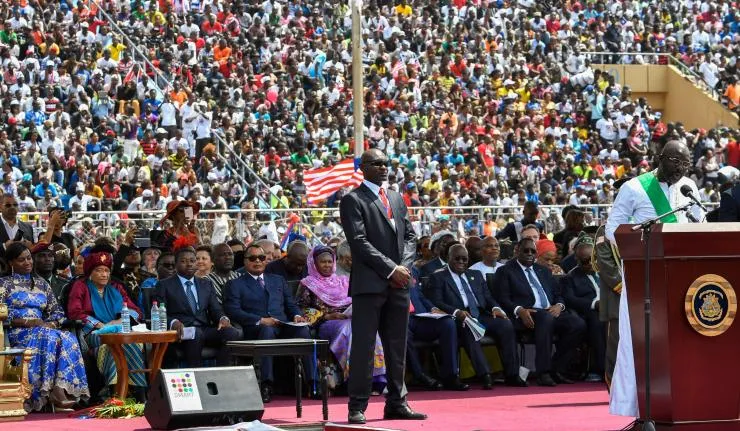
Data openness is a guarantor of government accountability and supports an informed citizenry-- both central to the development of democratic governance. Olivier Alais and Daniel Nogueira-Budny review the case of Liberia, arguing that any reputation stemming from its troubled past can soon be overcome by the country's demonstrated commitment to data openness.

In the wake of the 2018 Winter Games, Andrew Elliott Cha reflects on North Korea's charm offensive and what the Trump administration must do to form a credible response.
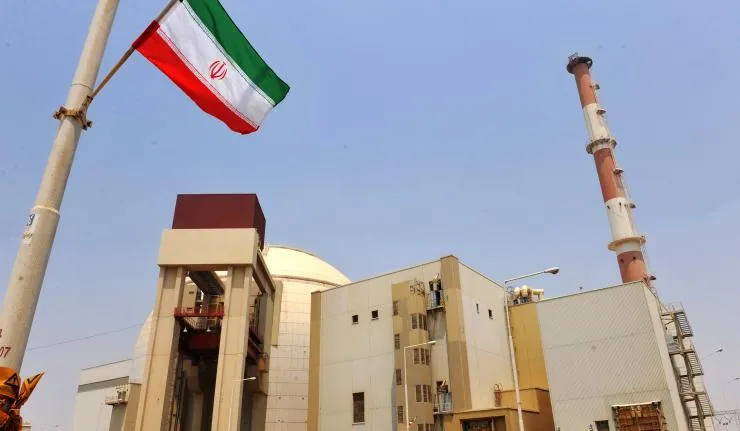
The Trump adminsitration has repeatedly signalled its willingness to scuttle the Iran nuclear deal despite all indicators that Tehran is in compliance. Here, Kaveh L. Afrasiabi argues that between the legal hurdles and likely damage to U.S. reputation, pulling out now may be too costly for the Trump administration despite rhetoric to the contrary.