
Mozambique’s two civil conflicts are both results of the country’s defining challenge: managing its transition into becoming a fossil fuel economy.
This article presents findings from a three-year study of Ukrainian strategic narratives and perceptions of the EU. By identifying how news media and young Ukrainians narrate the international system and the role of their nation in that system, we can explain how and why they offer narratives about prospects for peace and the EU’s role as a potential mediator. This analysis combines strategic narrative and image theory to categorize Ukrainian narratives about possible futures for their country. We find that Ukrainian news media and young people understand their position primarily through the…
Democracy promotion abroad may contain the seeds of democracy destruction, and perceived democracy destruction may in effect be democracy promotion. This article examines two foundational analyses, one Russian and the other American, that assert digital technologies have been used by rival states to promote democracy and to undermine governance to achieve regime destabilization. The Russian analysis is the so-called Gerasimov doctrine and the American analysis is the January 2017 report by the U.S. Office of the Director of National Intelligence, which asserts that the 2016 U.S. Presidential election…
This article examines Russia’s use of misinformation to influence the 2016 U.S. election by reviewing the content of one of the largest repositories of publicly available Twitter data from Russia’s Internet Research Agency (IRA). The article focuses on assessing whether Russia’s communication strategy appealed to an informational logic of false information or to an identity logic. The evidence shows that Russia, through the IRA, was primarily invested in identity rather than informational claims particularly given that the bulk of Russia-linked communications sought to define then-candidate…
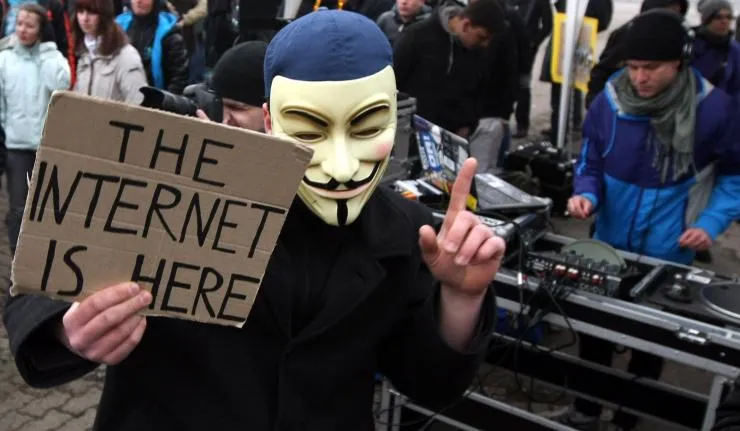
Authoritarian regimes learned to fear the rise of the internet because it spurred an online community who encouraged information sharing relatively free from government oversight. However, the West—the creator of the internet—is retreating from openness in cyberspace because of strong arguments made by defense specialists about cyber vulnerabilities and because of cyber meddling by foreign actors, most clearly the Russian Government. This article argues that combatting the rise of authoritarianism, particularly in Russia, requires embracing the strategic advantages openness provides for democracy…
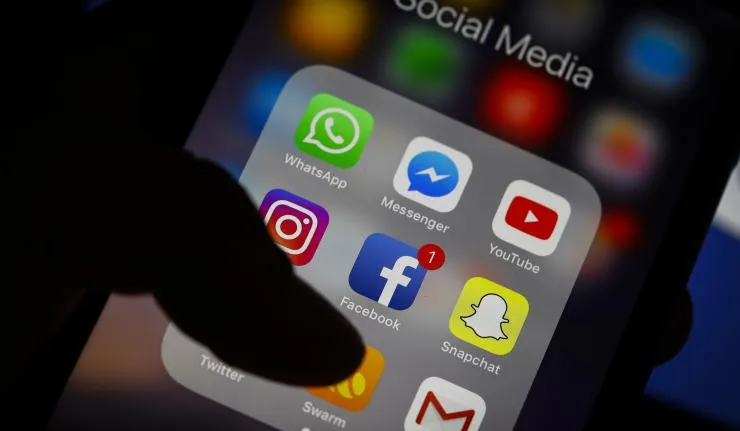
State-sponsored cyber groups have long utilized spear phishing to pierce government networks. Spear phishing relies on social engineering to trick individuals into revealing sensitive information or downloading malicious software, rather than hacking into a system vulnerability by force. While email remains the preferred medium to conduct spear-phishing attacks, social media has opened up new attack vectors for politically motivated cyberattacks. Social media platforms, as high-trust environments typically accessed from a mobile device for personal entertainment or networking, are highly conducive…

In the summer of 2017, Twitter bots—automated accounts—were deployed to boost messaging on both sides of the diplomatic dispute between Saudi Arabia and Qatar. Some appeared commercial, made available by users outside the Gulf region to anyone willing to pay for them. Others appeared locally focused. Together, such bot deployments significantly distorted Twitter traffic. The Gulf dispute showcases the range of different bots and their impact.
This paper argues that one of the major purposes of a disinformation campaign is to sustain a discursive conflict between users of social networks. By examining the phenomenon of “unfriending,” the paper describes how disinformation campaigns sabotage horizontal connections between individuals on either side of a conflict and strengthen a state’s capacity to construct an image of an external enemy. The paper argues that horizontal connections are targeted because they have the potential to mitigate social cleavages, challenging state control over the legitimacy of a conflict narrative. Understanding…
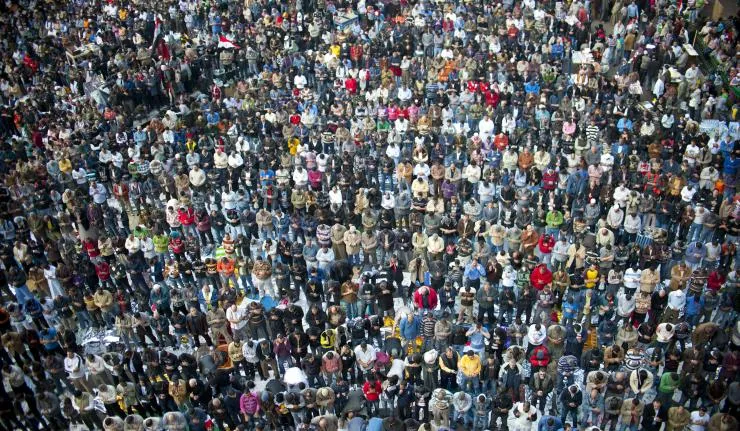
Ongoing research and discussions examine the role of technology—information communication technologies in particular—in conflict, principally focusing on whether technology is a good or bad thing for peace and social progress. This narrow focus overlooks important considerations about how technology interacts with human nature and surrounding contextual dynamics, and in so doing obscures opportunities to prevent harm and to leverage technology for good. This article explores interdisciplinary research and lessons from violence-prevention efforts in Kenya to propose a new approach for understanding…
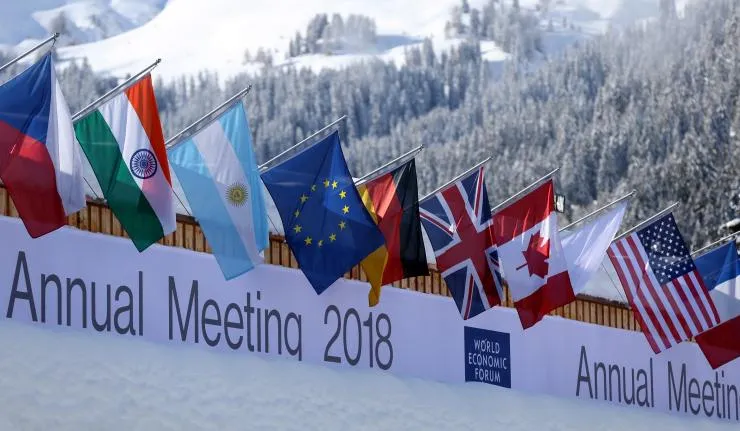

Social media has emerged as a powerful tool for political engagement and expression. However, state actors are increasingly leveraging these platforms to spread computational propaganda and disinformation during critical moments of public life. These actions serve to nudge public opinion, set political or media agendas, censor freedom of speech, or control the flow of information online. Drawing on data collected from the Computational Propaganda Project’s 2017 investigation into the global organization of social-media manipulation, we examine how governments and political parties around the…
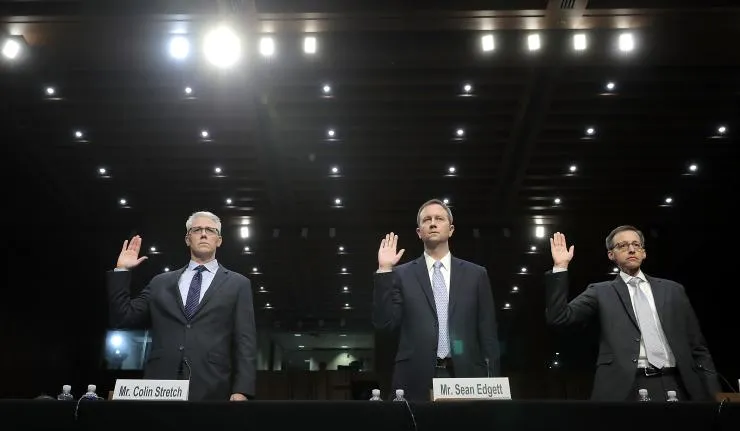
Major social-media companies profess liberal values like global community and democratic participation as primary incentives motivating the design of their platforms and their proposed solutions to online disinformation. However, the industry of digital marketing that underlies these companies’ business models is in tension with these values. Digital marketing ascribes more value to users from demographics with higher socioeconomic status, and online disinformation campaigns that harness the infrastructure of digital advertising built into social media undermine democratic participation. Regulators…