

The United States must balance its need to defend against cyber threats with the important advantages of its current policy that enshrines internet openness. In this argument, Professor Matthew Flynn responds to the Moises Naim’s article Why Democracies are at a Disadvantage in Cyber Wars, which appeared online on the Journal of International Affairs’ website on 15 March 2017.
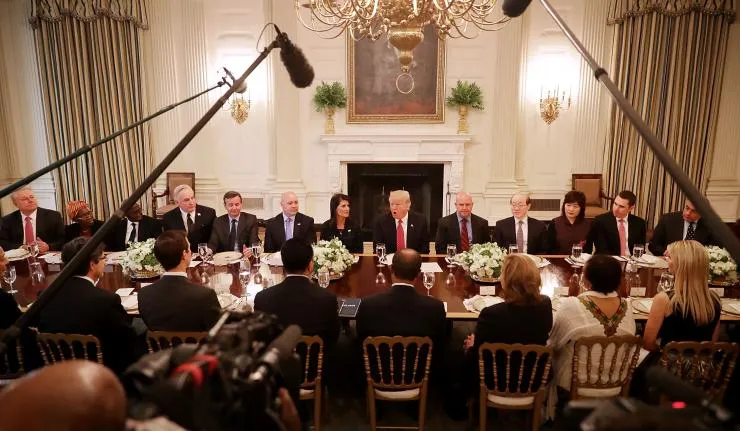
The Trump administration's vocal pessimism regarding the Iran deal threatens the legitimacy of the entire nonproliferation regime. Here, Sina Azodi argues that their bad faith stems from a realist misunderstanding of the incentives in the agreement itself.
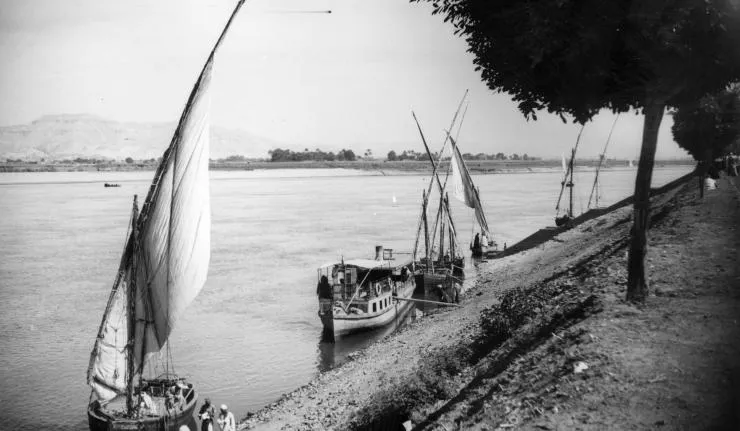
Water scarcity and widespread underdevelopment have bred popular unrest in the Nile Basin. As riparian states increase their reliance on Nile resources, Panagiotis Skiadas argues that only a commitment to multilateral engagement can prevent a precarious geopolitical situation from devolving deeper into conflict.

The forces of globalization have opened borders and linked societies. But, globalization has also impacted nonstate actors, allowing for transnational criminal activity and providing new strategies to plan and fund terrorism. Here, Justin Leopold-Cohen surveys this development and argues for its consideration in counterterrorism policy.

In this essay, Dhriti Mehta analyzes the employment-social protection relationship in Japan in the context of the structure and function of the Welfare State, explores Japanese government’s policies toward foreign workers in tackling the impending crisis, and assesses the government’s merit in its decisions.
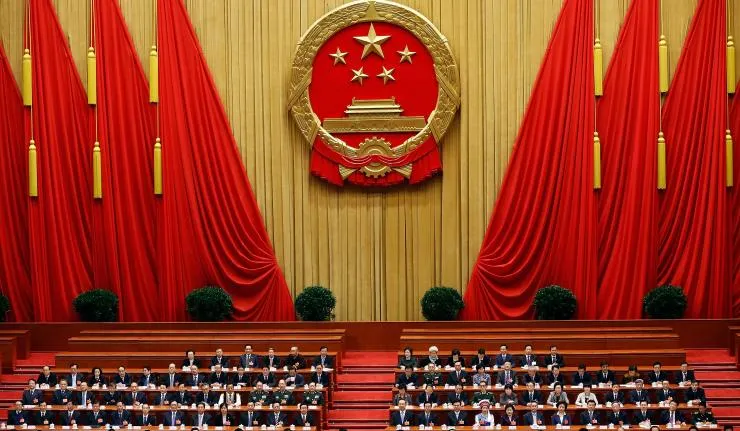
Dr. Andrew Nathan has been a professor of political science since 1971. He became one of the first Western scholars to study Chinese politics at a time when the West had virtually no information about the “Middle Kingdom.” Philip Hsu sat down with Dr. Nathan to discuss China's recent history and what is expected from U.S.-China relations under Donald Trump and Xi Jinping.

The United States is improving its ability to crack down on Russian hacking but even aggressive deterrence measures are unlikely to influence Putin.
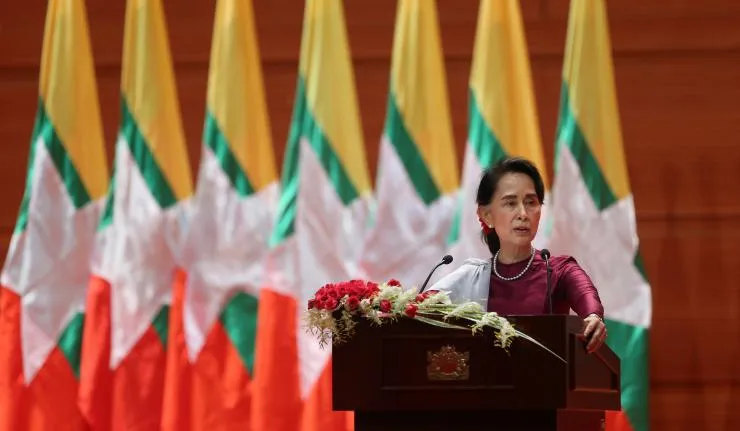
Suu Kyi rightfully received the Nobel Peace Prize of 1991, but her silence over human rights violations against the Rohingya betrays her past ideals

What drives Islamist extremism in the West? What accounts for the so-called Islamic State's ability to recruit from Western democracies? While others have argued that global migration and the refugee crisis are fueling radicalization, Christy Grace Provines from the 'MPOWER Project considers deeper implications and proposes a theory she calls Identity Vulnerability.
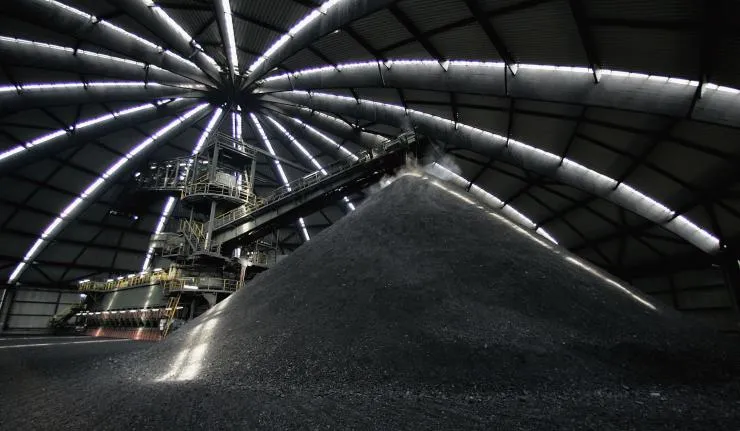
Disclosing beneficial ownership is one of the few ways to prevent the loss of natural resource revenues and to mitigate—if not prevent—the resource curse. This article details how digital platforms can help the global effort to reverse the resource curse and plug revenue loss leakages in the mining sector through beneficial ownership disclosures.
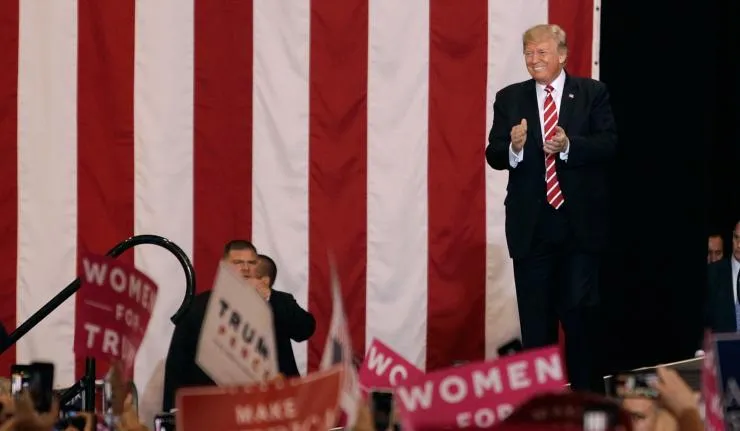
Since the Republican victory in 2016, pundits and policymakers alike have been enamored with investigating potential collusion between Donald Trump's campaign and Putin's Russia. Nicholas R. Smith argues that Cold War legacies have led Americans to overestimate Russian power at their own peril-- what really needs interrogation is the state of American democracy.

According to a report by the World Economic Forum, more than 500 million people have access to mobile phones but not to electricity. Today, the emergence of sustainable energy has changed the role played by the private and public sectors in rural electrification.