



Attribution of malicious cyber activities is a deep issue about which confusion and disquiet can be found in abundance. Attribution has many aspects—technical, political, legal, policy, and so on. A number of well-researched and executed papers cover one or more of these aspects, but integration of these aspects is usually left as an exercise for the analyst. This paper distinguishes between attribution of malicious cyber activity to a machine, to a specific perpetrator (often a human being pressing the keys) initiating that activity, and to an adversary that is deemed ultimately responsible…

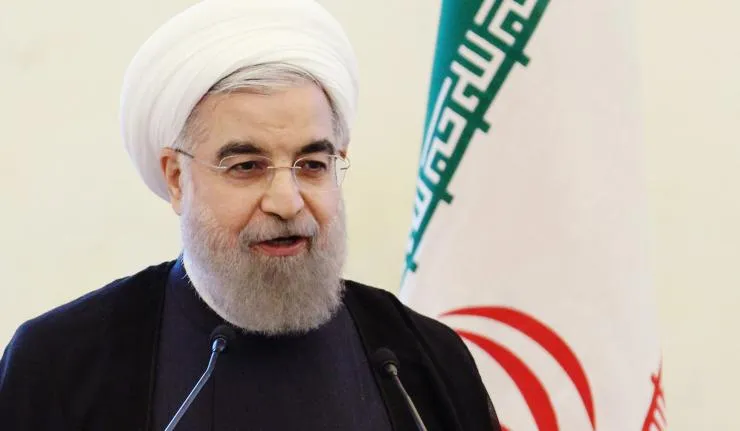
When President Donald J. Trump took office on January 20, 2017, Iranians watched with particular interest. Iran’s presidential election is scheduled for May 19 this year and the already keen political competition has been heightened by what is considered to be a profound change in American foreign policy.

The present study was inspired by the measures that Greece’s coalition government, headed by the far-left SYRIZA party, continues to implement. Specifically, I aim to address several key points of consideration where SYRIZA’s policies negatively impact Greece’s current education system through the continued reduction in ancient Greek and Orthodox studies. The points that I address relate to Greece’s political and cultural history, and the inextricable link between Orthodoxy and the ancient Greek language, including the ties between them and the Modern Greek state. In light of these important…
Nation-states increasingly engage in strategic deception in cyberspace, frustrating traditional counter deception approaches. This paper evaluates and critiques the philosophical underpinnings and practical implications of existing military-political counter deception and computer forensic approaches. Analysts can better detect and expose strategic deception campaigns in cyberspace by focusing on the size and organizational strength threat actors need to conduct the operations.
The next president should keep the pressure on China, but that requires following the Obama administration playbook.