
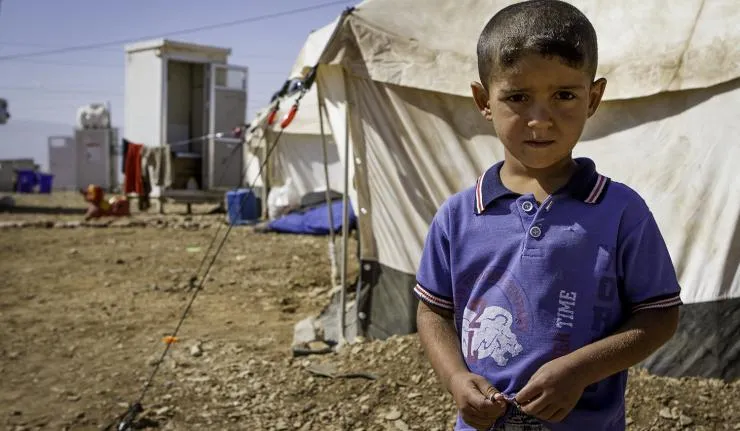
This article suggests an alternative way of reading Article 31(1) of the Refugee Convention on non-penalization of refugees so that asylum claimants and refugees within the jurisdiction of a state may also benefit from the protection of non-penalization. When read purposively, rather than in a literal, textual manner, Article 31(1) may be used to fill the gap created when asylum claimants and refugees are not yet able to reach the territory of a state while at the same time not able to return to territories where they experience a ‘well-founded fear of persecution’. In light of the ongoing…

The United States has a consistent Strategic Culture, centered on a sense of exceptionalism, values-driven foreign policy, casualty aversion, as well as strong leadership. These features reflect in its space policy and ambitions, where the US has cooperated with other nations but assumes a position of natural leader. It remains to be seen how this role will evolve – although the sense of exceptionalism may endure – as new actors, including private companies, make their way into space.

Heads of State usually struggle to balance international affairs with domestic needs. In today’s unpredictable global climate, world leaders should look to and learn from history. Here, Justin Leopold-Cohen explores the centennial anniversary of Russia’s departure from World War I, and how newly elected Chairman Vladimir Lenin chose to focus on domestic issues rather than foreign affairs: a lesson that current Russian President Vladimir Putin should heed.
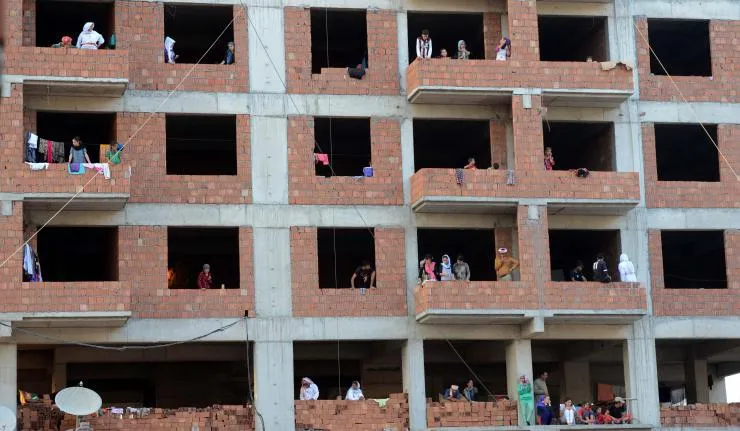
Moments of catastrophe that destroy communities often provide opportunities to rebuild them to be more resilient to preexisting harms. The challenge lies in spotting and seizing those opportunities. With the re-takeover of Mosul and other cities formerly controlled by the Islamic State, the rapidly growing demand for shelter in Iraq continues unabated. Yet the dearth of supportive services in many affected communities continues. One obstacle is an Iraqi policy that effectively forbids local organizations from providing shelter. The potential solution lies in international allies partnering with…
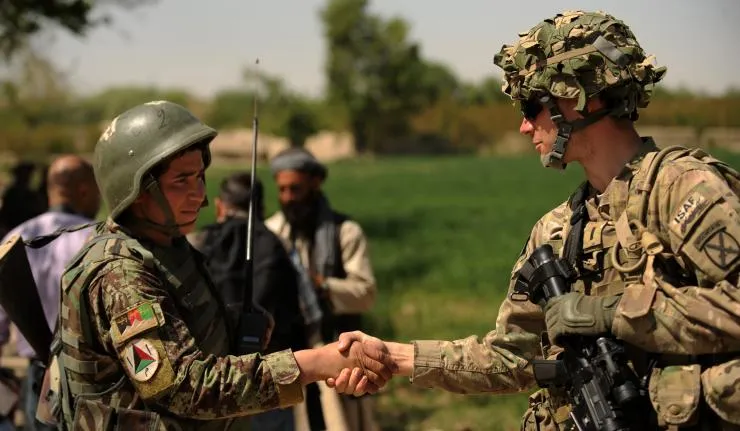
For almost 20 years, the U.S. and its international allies have maintained a presence in Afghanistan with attempts to rebuild the country coming in fits and starts. Here, Adam Simpson argues for a paradigm shift in the way we view statebuilding as the only path towards a sovereign Afghanistan.
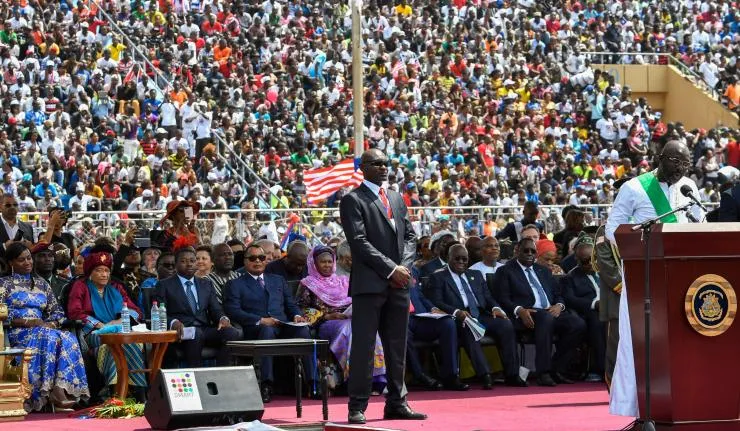
Data openness is a guarantor of government accountability and supports an informed citizenry-- both central to the development of democratic governance. Olivier Alais and Daniel Nogueira-Budny review the case of Liberia, arguing that any reputation stemming from its troubled past can soon be overcome by the country's demonstrated commitment to data openness.

In the wake of the 2018 Winter Games, Andrew Elliott Cha reflects on North Korea's charm offensive and what the Trump administration must do to form a credible response.
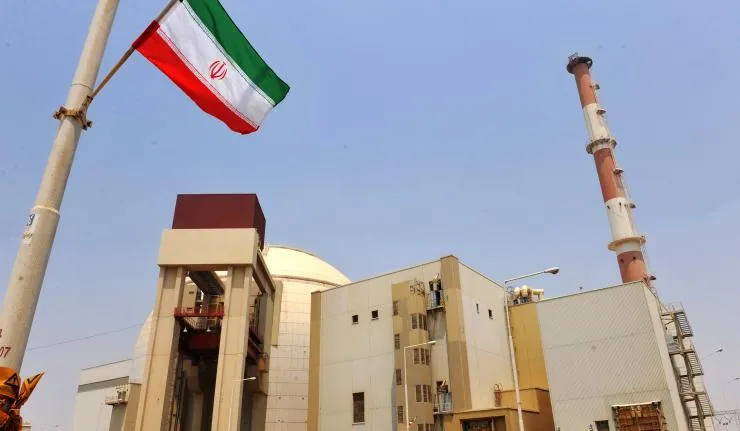
The Trump adminsitration has repeatedly signalled its willingness to scuttle the Iran nuclear deal despite all indicators that Tehran is in compliance. Here, Kaveh L. Afrasiabi argues that between the legal hurdles and likely damage to U.S. reputation, pulling out now may be too costly for the Trump administration despite rhetoric to the contrary.
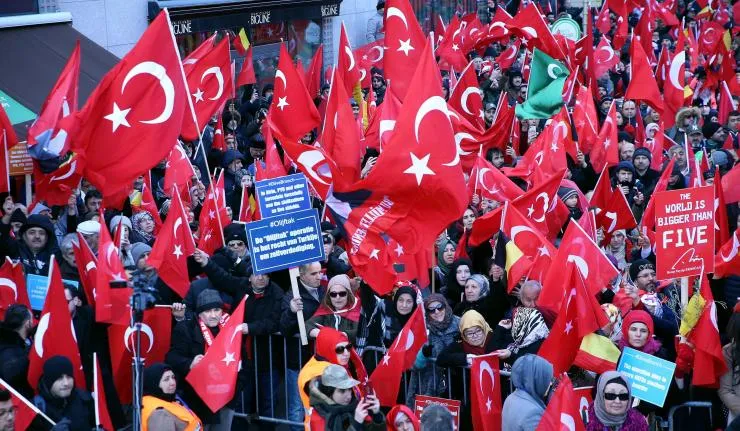
The repeated failure of the peace process in Syria underlines how far apart those involved are on reaching a solution. Turkey has proven particularly ambivalent, focused instead on balancing the fight against ISIS with the suppression of Kurdish elements. Here, Buddhika Jayamaha and U.S. Maj. Jahara Matisek argue that this is by design and reflects Turkish President Recep Tayyip Erdogan's domestic political agenda.
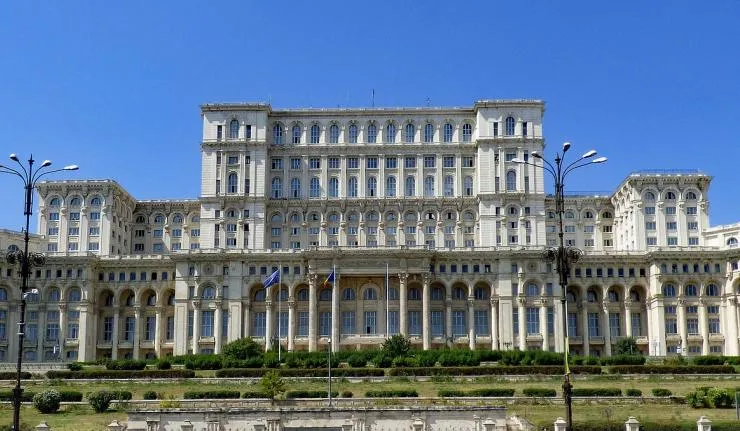
Romania's democracy has been faltering in the last few years. The country has been struggling to shed off its communist history and has seen protest after protest in the last few years as the youth fight to upend the old corrupt order. Georgiana Constantin argues that, while many Romanians are unhappy with the current political situation, much must be done if Romania is to become a stronger democracy.
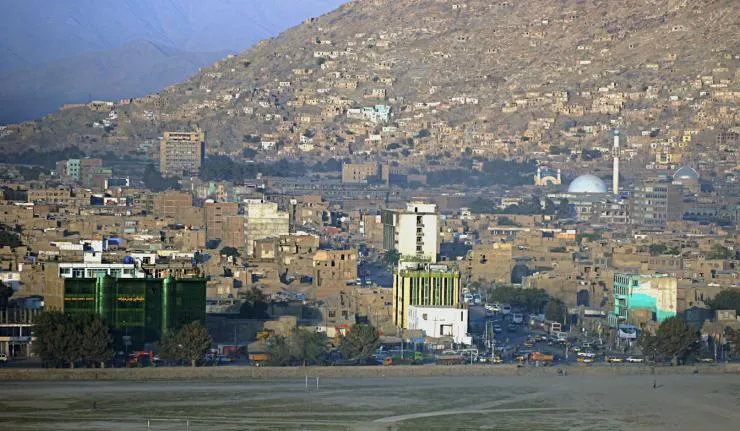
Devastating attacks rocked Kabul this month, killing over a hundred people and raising concerns over a resurgent Taliban. Repeated failures by the national government, Camelia Entekhabifard argues, have Afghans looking elsewhere for a defense against the terrorist insurgency: Donald Trump.
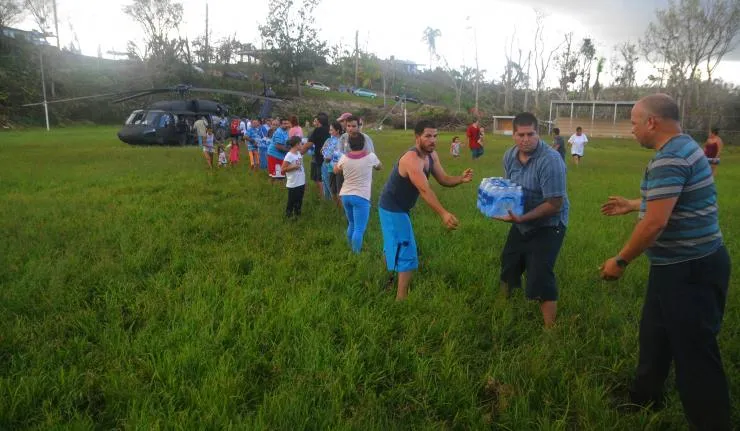
On top of post-hurricane destruction, outstanding debt and poor climate resilience leaves Puerto Rico in danger of spiraling deeper into economic stagnation. While talks to restructure the island's debt repayment are underway, Poorvi Goel argues that a workable solution for Puerto Rico requires a commitment to sustainable economic growth with climate resilience placed front-and-center.