
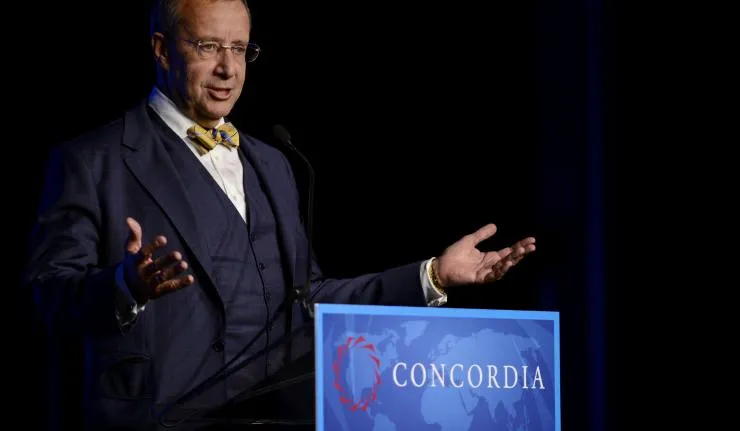
The small Eastern European country of Estonia is widely considered a leader in cybersecurity and e-governance and is also commonly believed to be the first victim of cyber war in 2007. The Journal of International Affairs talked to Toomas Hendrik Ilves, who recently stepped down as president of Estonia after ten years in office, about cyber threats and opportunities. President Ilves says the more digitized a country is, the more vulnerable it is to cyber attacks, but he believes it is possible to build a credible…
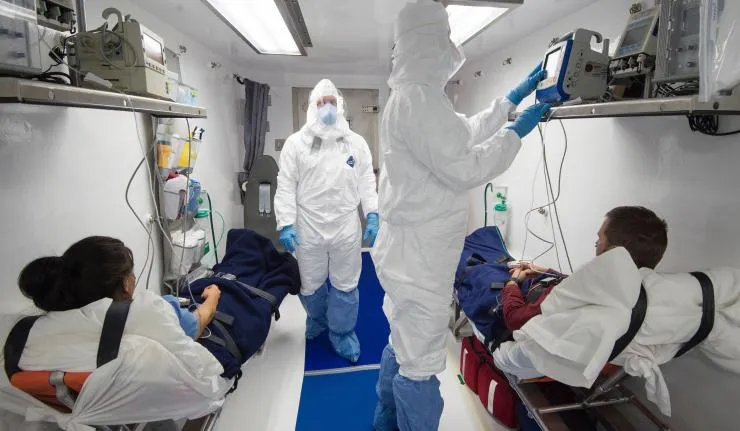
Nationalist leaders can close borders to migration and trade, but how does the 'America First' model fare against pandemic disease? Not well.
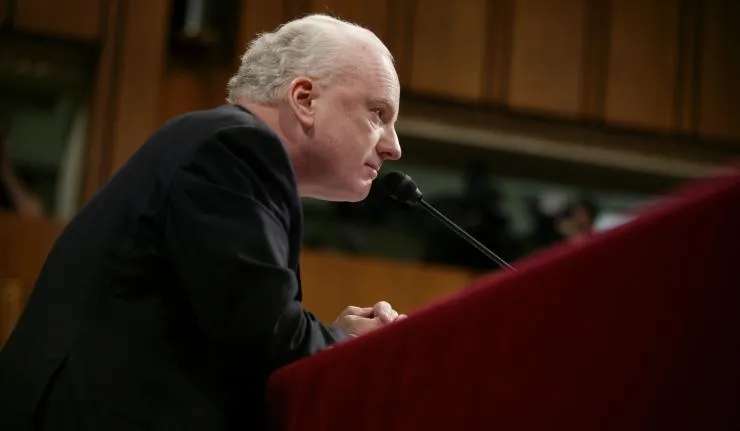
How can the United States prevent a cyber war from breaking out and deter terrorists from targeting the country with cyber weapons? The Journal of International Affairs talked to Richard Clarke, who served as a senior White House advisor to three consecutive U.S. presidents, about cyber risks and how the United States can counter threats to its national security.
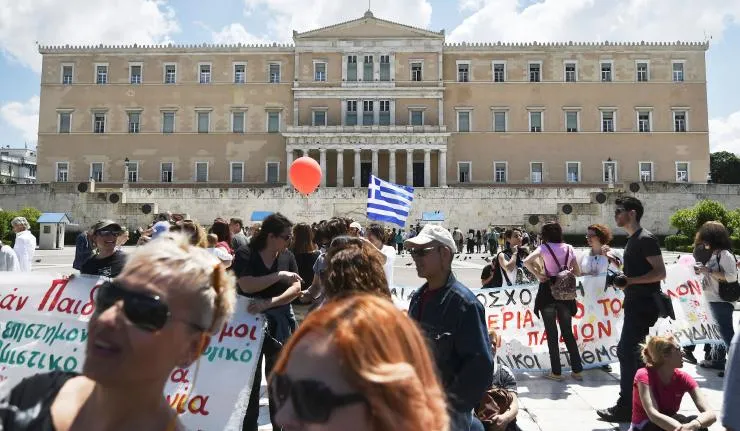
Germany’s ruling Christian Democratic Union might have political and economic interests in sustaining Greece’s fiscal weaknesses.
Two years in, there is little evidence to support most concerns that surrounded the Iran Deal – except one.
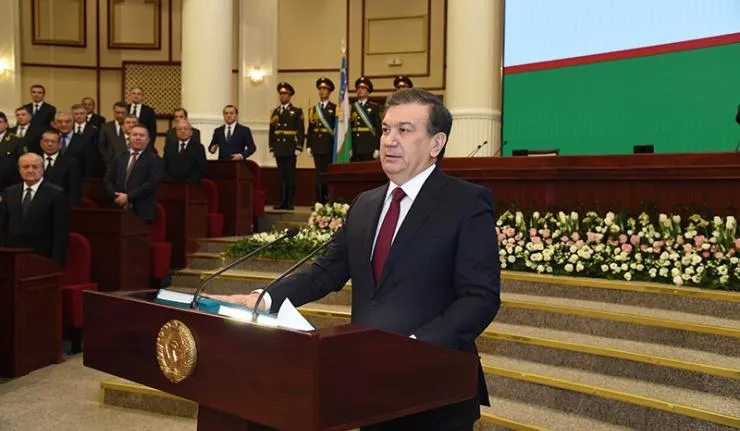
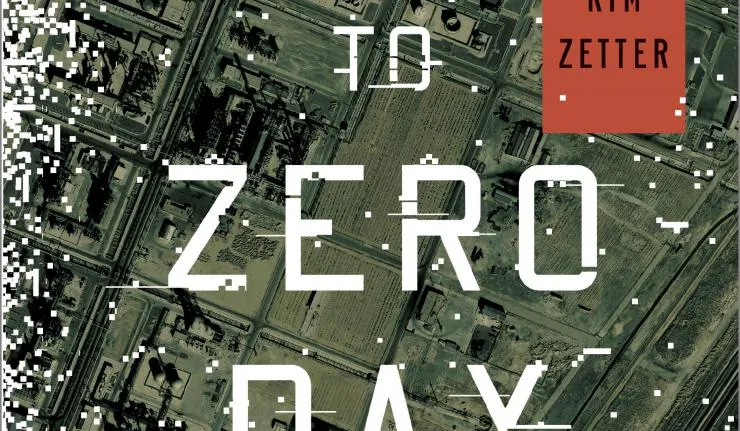
Journalists get a unique look into cyber issues. At the forefront of the biggest stories and scandals, the media is essential in shaping the public’s understanding and awareness of the latest developments. The Journal of International Affairs talked to Kim Zetter, an award-winning journalist who recently covered cyber for Wired, about what it is like on the inside, how she communicates with sources in the digital age, and what are the next major crises and breaking news stories.
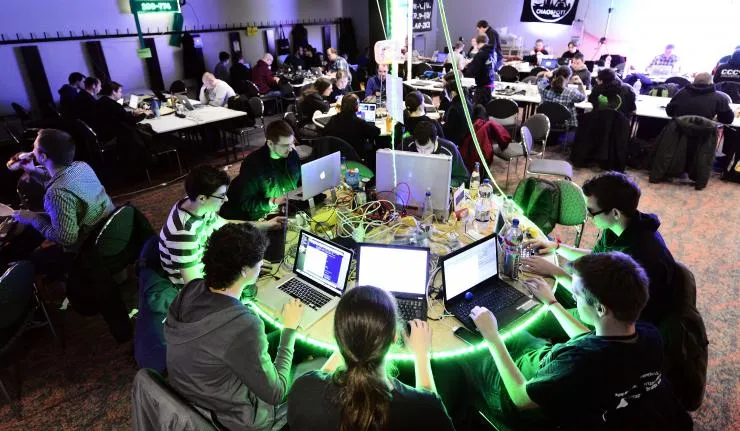
Technology and transparency combined to create the digital revolution, which in turn has ushered in a new form of monitory democracy. Communicative abundance and global interconnection mean the democratic franchise can expand and deepen, but the author argues that it matters who is made transparent and for what purpose. Content and context matter. Technology and transparency can be used to strengthen democracy by opening up government to citizens, but the same tools can also be used by the state to surveil and disempower citizens, thereby damaging democracy. The author uses three case studies to…
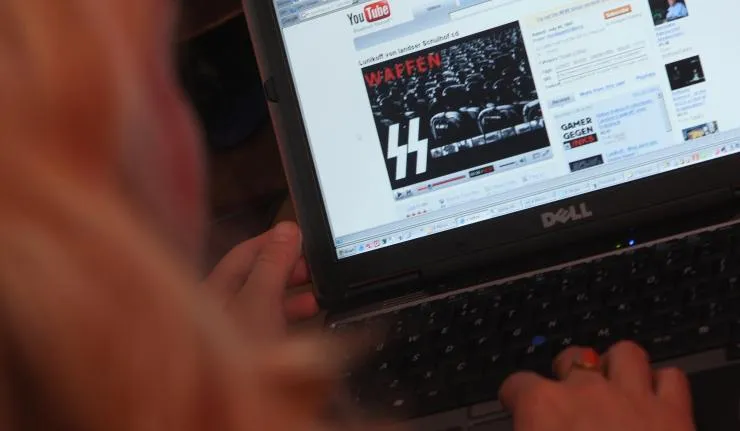
They are unlikely bedfellows: Sunni Islamists declaring a caliphate across the Middle East, ranchers attacking a federal wildlife refuge headquarters while refusing to pay taxes, and neo-Nazis peddling white nationalism and hatred of Jews to Twitter. But they have more in common than any of them would like to admit. It’s not just that they’re all extremists, advocating ideas and behaviors that challenge standard order and condone violence. Importantly, all of these groups and others have used social media to spread their brand across the globe and into our communities.
This problem…

Four of the world’s largest Internet companies pledged to monitor, combat, and prevent terrorists from using their social media platforms to conduct operations in May 2016. One month later, Twitter, Facebook, and Google were sued for deaths caused by the Islamic State in 2015, and their alleged allowance and facilitation of terrorist communication. A growing demand for responsible and accountable online governance calls into question the global norms of cybersecurity and jurisdiction, and the very definition of terrorism. This paper explores the legislative precedent for countering terrorist…