
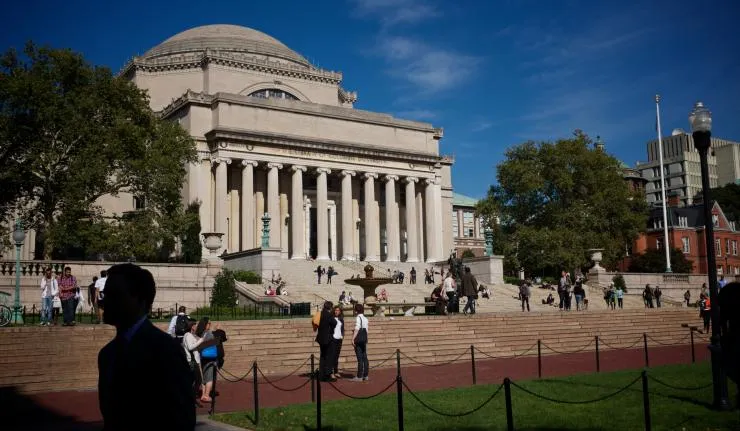
Alex N. Halliday is the Director of Columbia University’s Earth Institute. He is also a scientist who pioneered developments in mass spectrometry, helping shed light on processes that affect Earth’s surface environment. The Journal of International Affairs spoke with Halliday about the Earth Institute, Columbia University’s new climate taskforce, and the future of climate and energy policy.
Rev. Susan Hendershot is the president of “Interfaith Power & Light (IPL),” a nationwide interfaith climate action organization. Prior to Iowa IPL, Rev. Hendershot served as a pastor in both Disciples of Christ and United Methodist congregations, focusing on social justice ministries. The Journal of International Affairs spoke to her about the religious and ethical implications of the climate crisis.
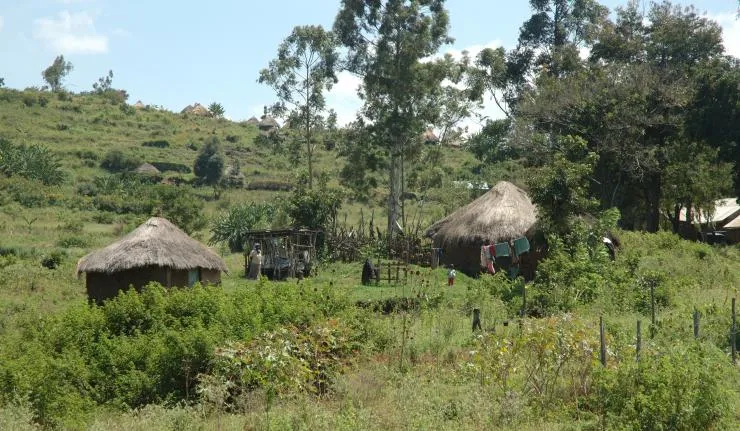
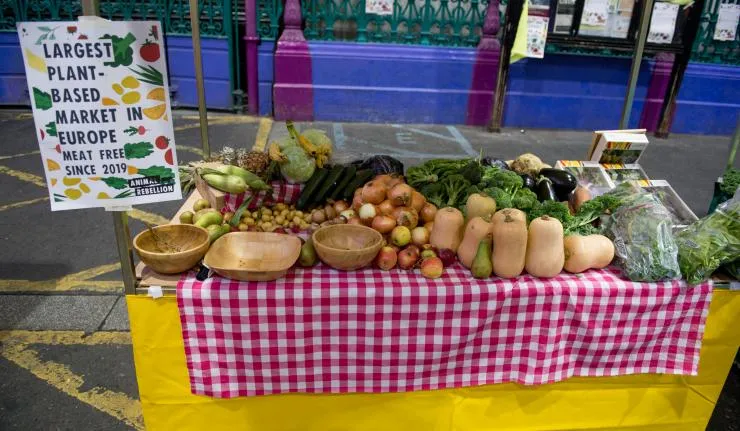
Eric Toensmeier is the award-winning author of Paradise Lot and Perennial Vegetables. He is an appointed lecturer at Yale University, a Senior Biosequestration Fellow with Project Drawdown, and an international trainer. He has studied permaculture, useful perennial plants and their roles in agroforestry systems for over two decades. The Journal of International Affairs spoke with Toensmeier about these topics and how to achieve change in the agriculture sector.
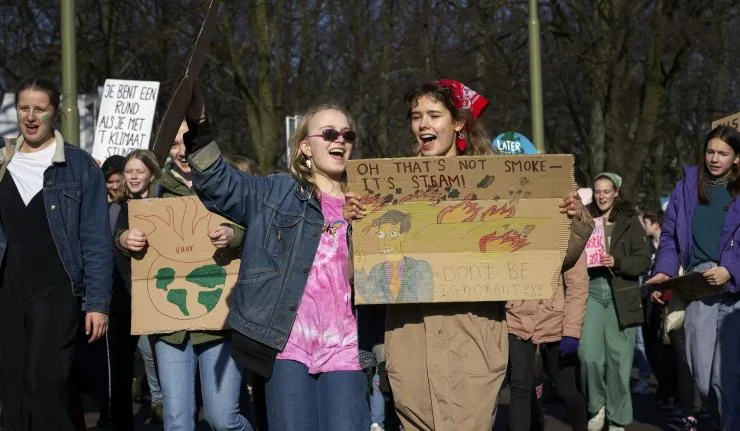
Dr. Robert Bullard is credited as the “Father of Environmental Justice” for his work in the late 1970s on the siting of toxic facilities and landfills in the American South. He is the author of Dumping in Dixie and is currently a Distinguished Professor of Urban Planning and Environmental Policy at Texas Southern University. The Journal of International Affairs spoke with him about the roots of environmental racism and how governments can address it.

Mozambique’s two civil conflicts are both results of the country’s defining challenge: managing its transition into becoming a fossil fuel economy.
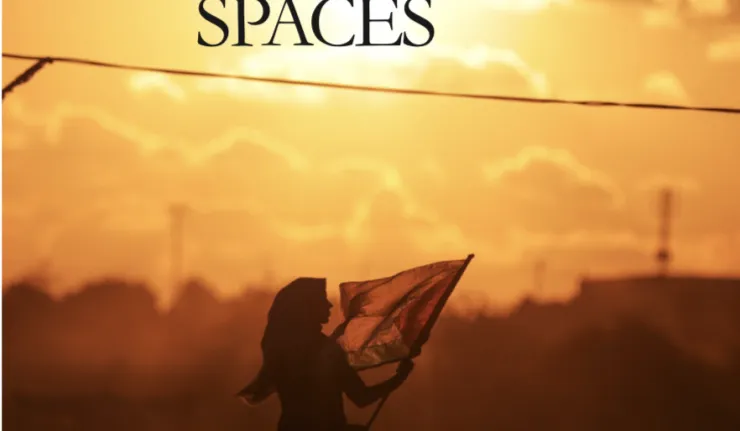
Mozambique’s two civil conflicts are both results of the country’s defining challenge: managing its transition into becoming a fossil fuel economy.
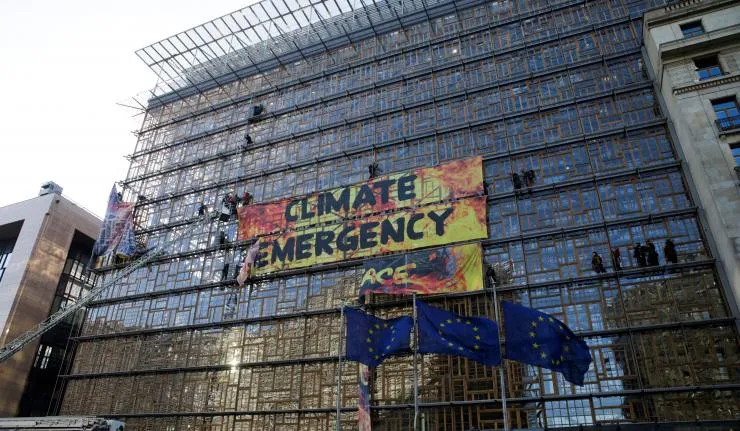
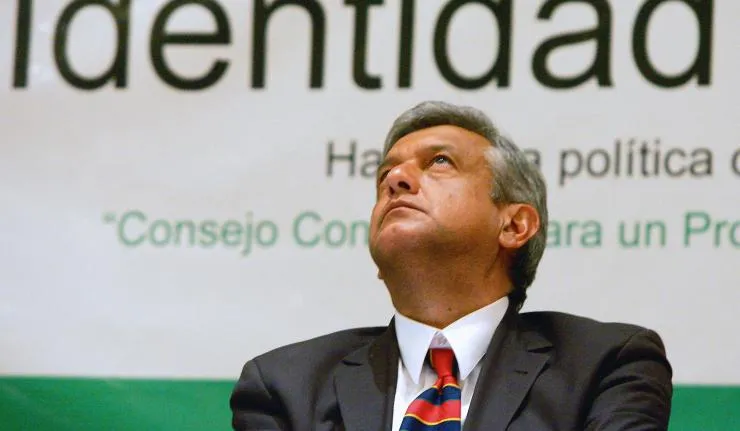
Mexican president Andrés Manuel López Obrador came to power looking to redefine the Mexican people’s relationship with their government. His first act was an overhaul of the country’s intelligence service. But against a backdrop of growing domestic and international security challenges, the reform is beginning to look like a missed opportunity.
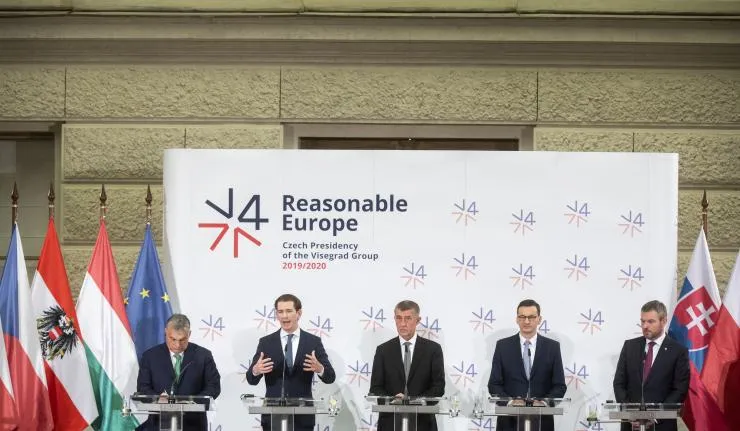
As cities grow in size and in political influence, city diplomacy is quickly becoming an important element of international diplomacy. The Pact of Free Cities signed by the mayors of Prague, Bratislava, Budapest, and Warsaw in December 2019 is the latest example of this trend.
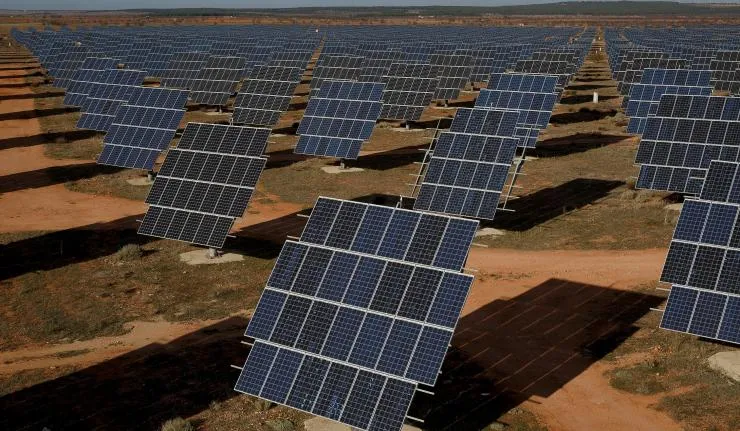
Emerging renewable energy geopolitical frameworks are defined by relations to fossil fuel geopolitics. Novel frameworks could divorce the energy economy from its association with international conflict, financial crises, and political instability.