
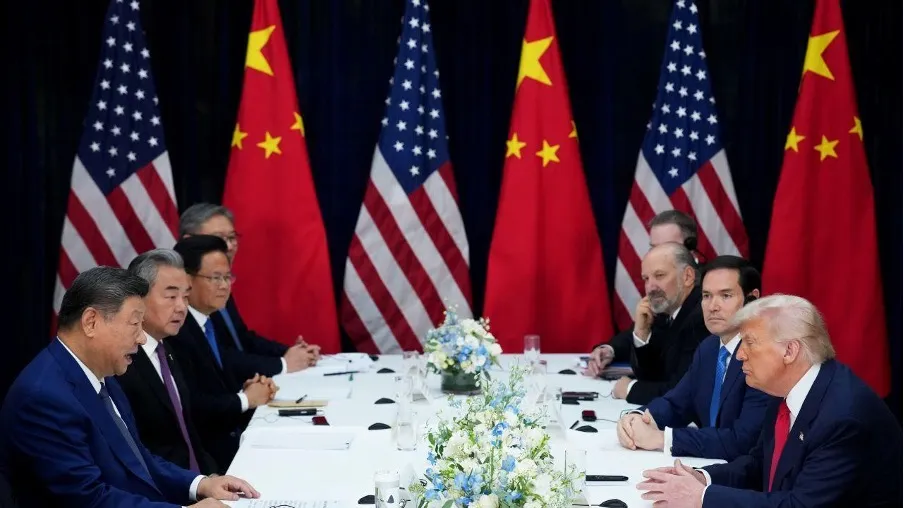
U.S.-China Security Relations will likely remain stable over the next four years. While Trump’s strategic retrenchment represents a shift from Biden’s alliance-focused strategy toward offshore balancing, neither country is prepared for instability. However, both countries are gambling with stability over the next four years. Trump’s approach prioritizes economic competition with China while encouraging regional allies to assume greater defensive responsibilities. The success of this strategic transition hinges on a delicate balance between allied capability development and the credibility…

Why did the international community fail to effectively support economic reform in Tunisia during the country’s decade-long attempt to transition from authoritarianism? This article examines political factors that undermined support for Tunisia's economic transition between 2011 and 2021, particularly from the United States and International Financial Institutions (IFIs). Progress was largely hampered by a combination of scarce resources and deliberate decisions by international donors, such as an unwillingness to prioritize economic reform. Donors also lacked appropriate tools for advancing…

Following the end of the Cold War, academia saw a devaluation of regional studies in favor of broader disciplines such as security studies, development studies, technology policy, and international political economy. However, the peace dividends that followed the collapse of the Soviet Union did not erase conflict, but shifted the focus to rogue states, criminal organizations, and terrorist groups. Nonetheless, both policymakers and academics the world over would benefit from a reassessment of their priors, many of which emerged during the Cold War and remain anchored in its particular assumptions,…
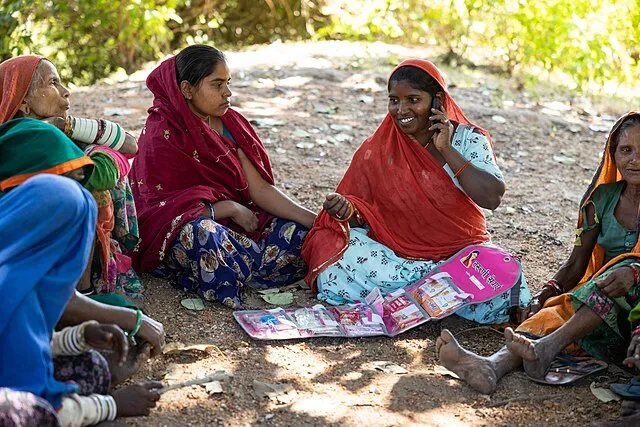
Menstrual health is an important contributor to health and well-being, education, workplace participation, and gender equality for girls and women. While access to menstrual products has improved over the last decade due to multistakeholder investments, particularly in low- and middle-income countries (LMICs), limitations persist due to structural challenges leading to market failure and barriers to menstrual product access. This failure stems from information asymmetry, barriers to entry for product innovations, restrictive regulations, and approaches for increasing product access that inadvertently…
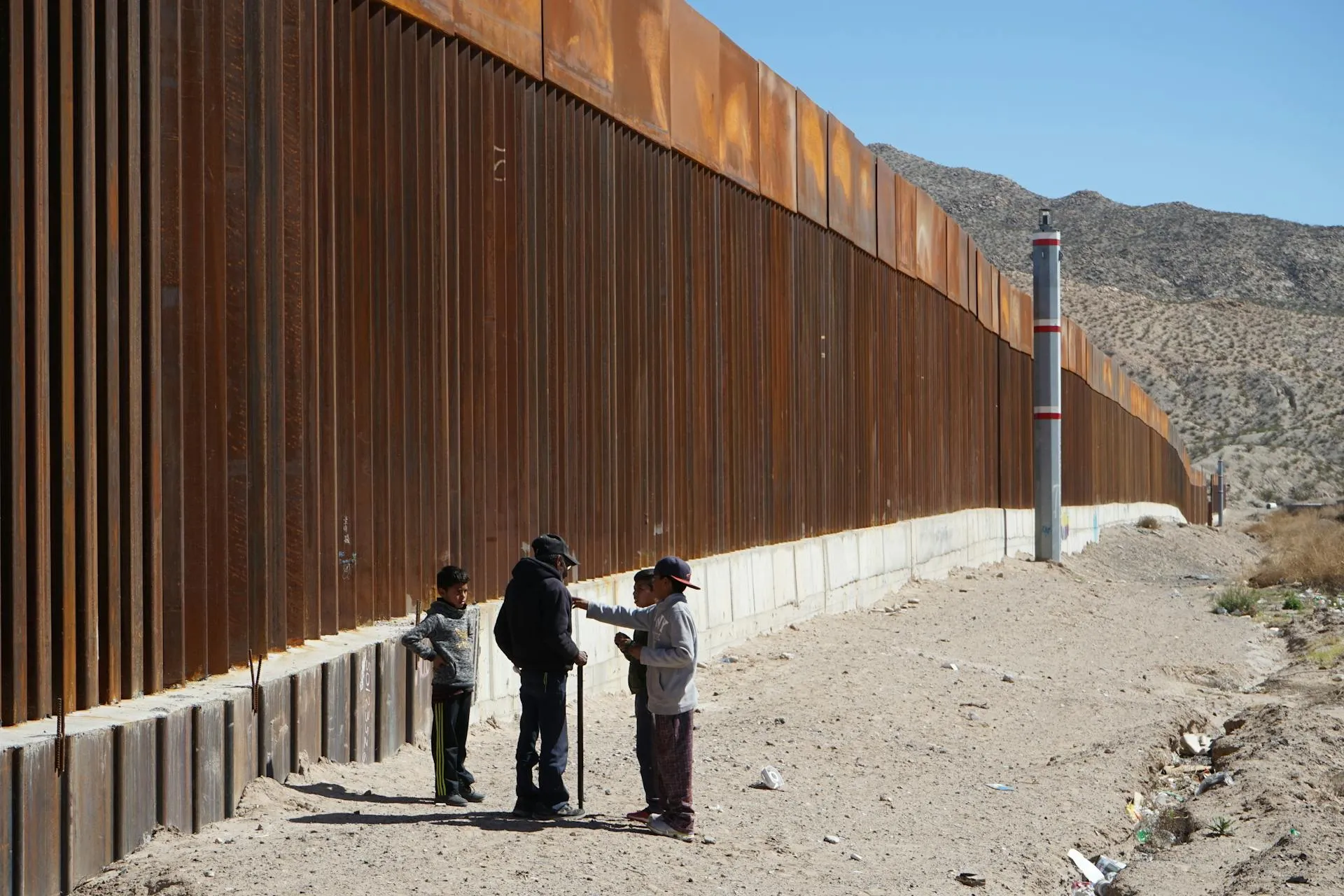
Leading up to the fifth anniversary of the adoption of the Global Compact on Refugees (GCR), disparities among various States in their commitment to protecting displaced people have become evident. US President Joe Biden pledged to reinstate a multilateral approach to humanitarian affairs and address deficiencies in US migration policy in line with the priorities set forth in the GCR. However, US government policies and programs reveal incongruencies between foreign policy on humanitarian affairs and domestic policy on refugees and asylum. These inconsistencies stem from constraints inherited from…
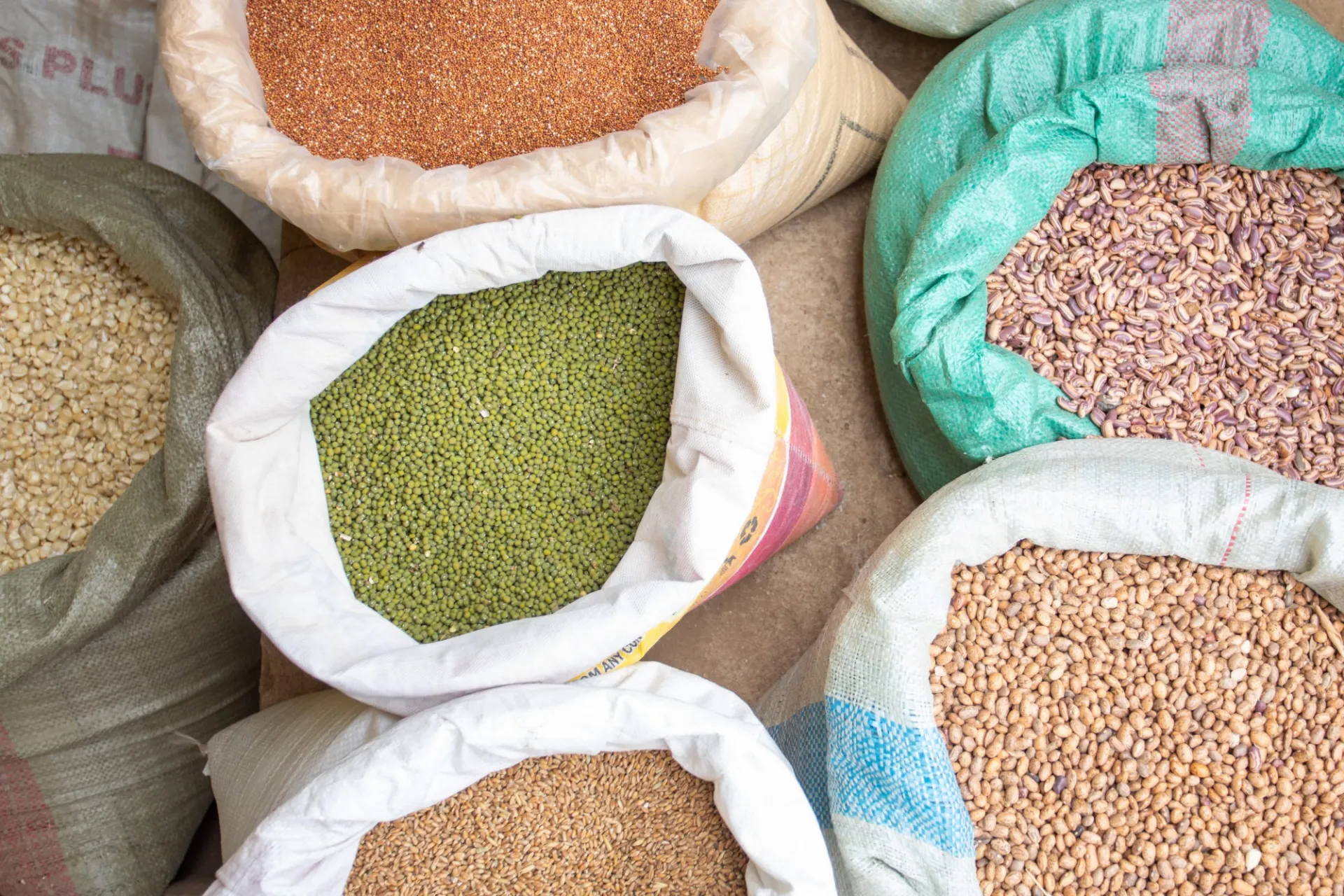
The concept of food sovereignty enlarges the boundaries of food security beyond food access and availability. It emphasizes community involvement and decision-making, local production and knowledge, and cultural preservation within food systems. However, food sovereignty collides with longstanding free trade principles, including those upheld by the World Trade Organization (WTO). This article delves into the dynamic nature of food sovereignty as expressed in the Nyéléni Declaration and explores the use of trade measures to achieve its goals. Putting forward a nuanced approach, the article acknowledges…
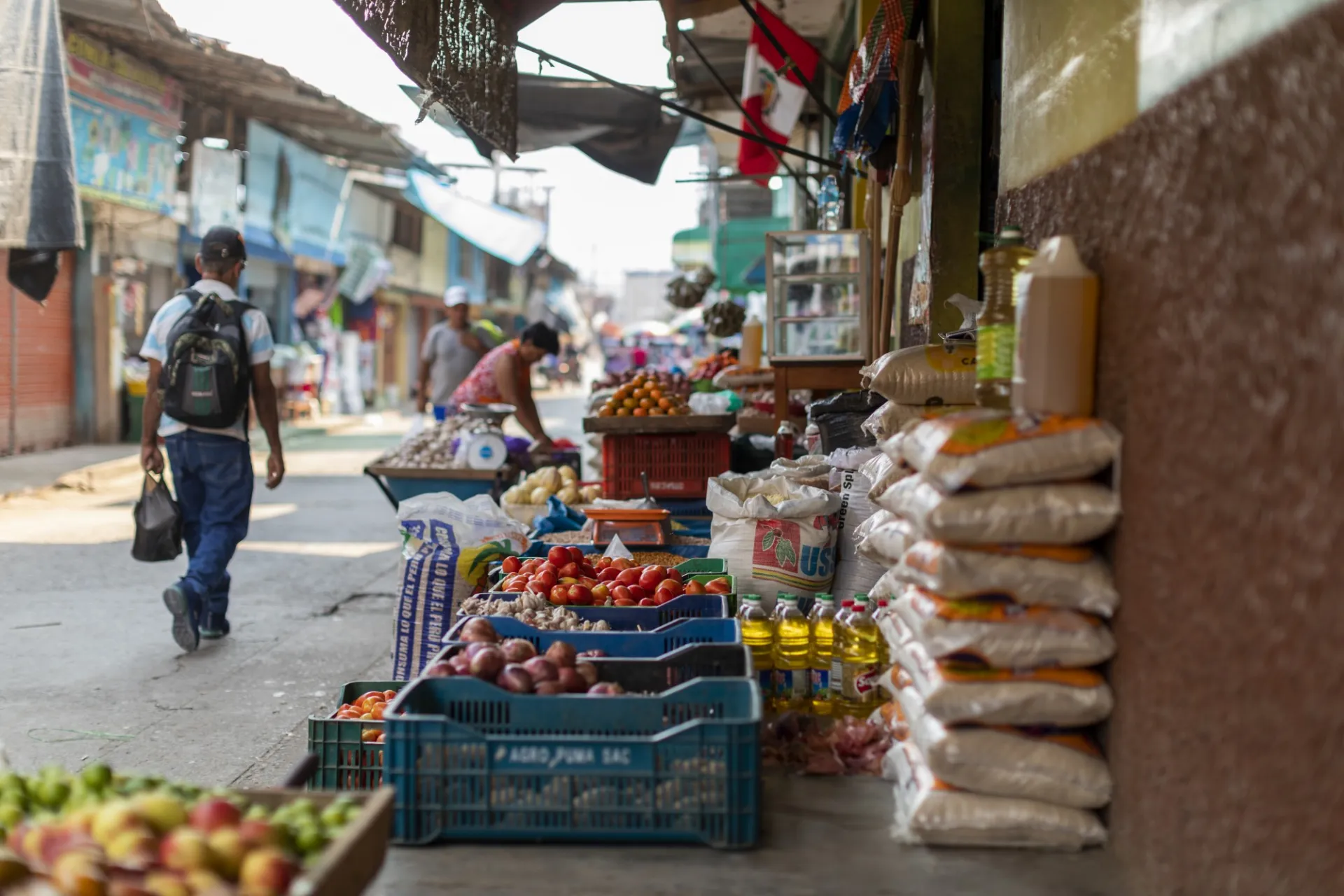
In this paper, Denning draws on the most relevant literature, expert opinion, and decades of personal experience as a scientist and practitioner to lay out five key priorities for achieving universal food security—sustainable intensification, market infrastructure, postharvest stewardship, healthy diets, and social protection. Intelligent, coherent investment across these five areas in local context will enable food systems transformation toward a food-secure world. Successful transformation of food systems inevitably involves decisions by very large numbers of individual people. These individuals…
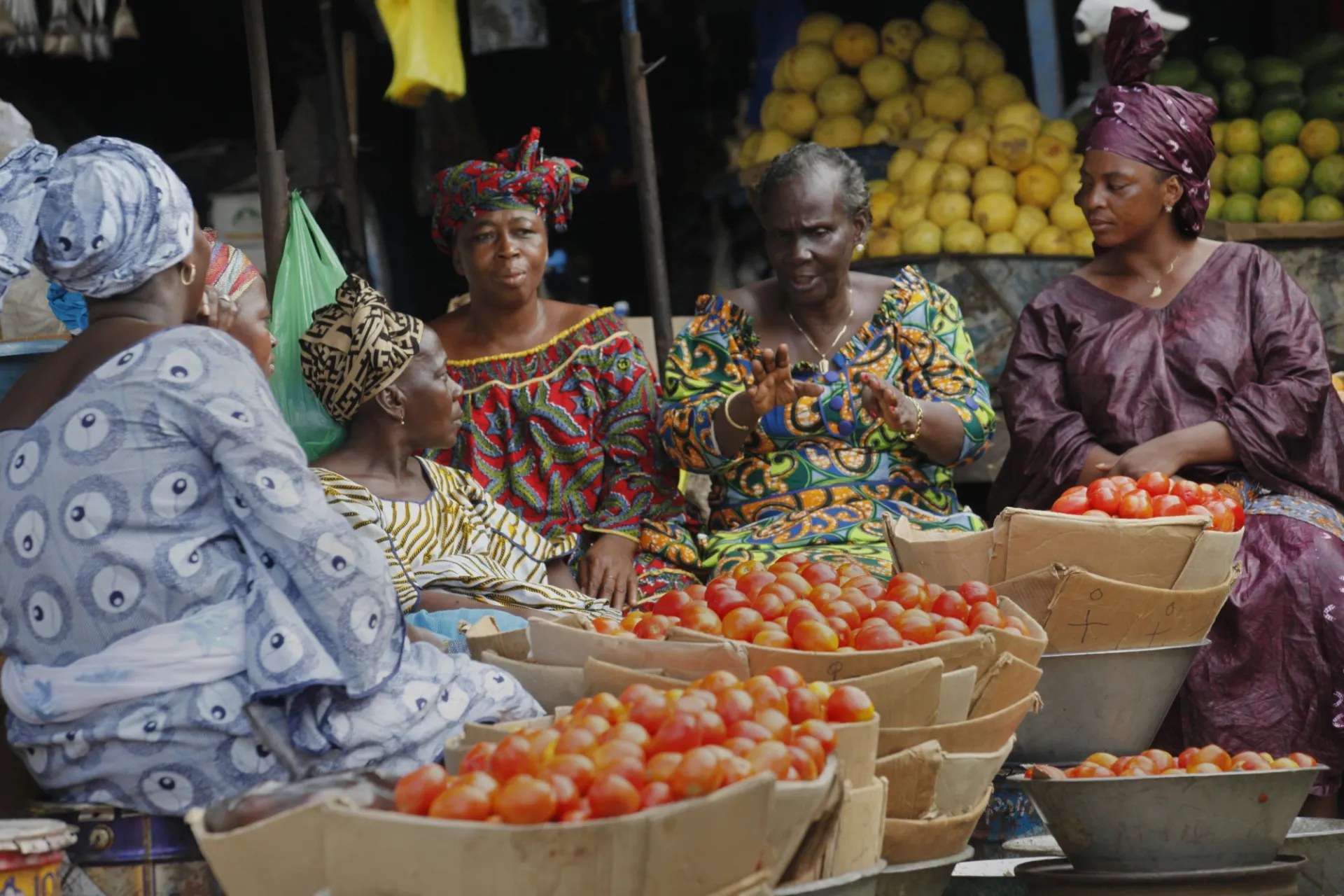
For many populations worldwide, accessing food in both quantity and quality remains a challenge. Several drivers, including climate change, conflict, and politics, inhibit the physical, economic, and social aspects of accessing food, particularly for marginalized and vulnerable populations. Currently, 3.1 billion people cannot afford a healthy diet that meets nutrient needs and is health protective. Most of that burden lies in Sub-Saharan Africa and South Asia. However, no country has a monopoly on food security success. This paper will articulate who struggles to access a healthy diet and why…
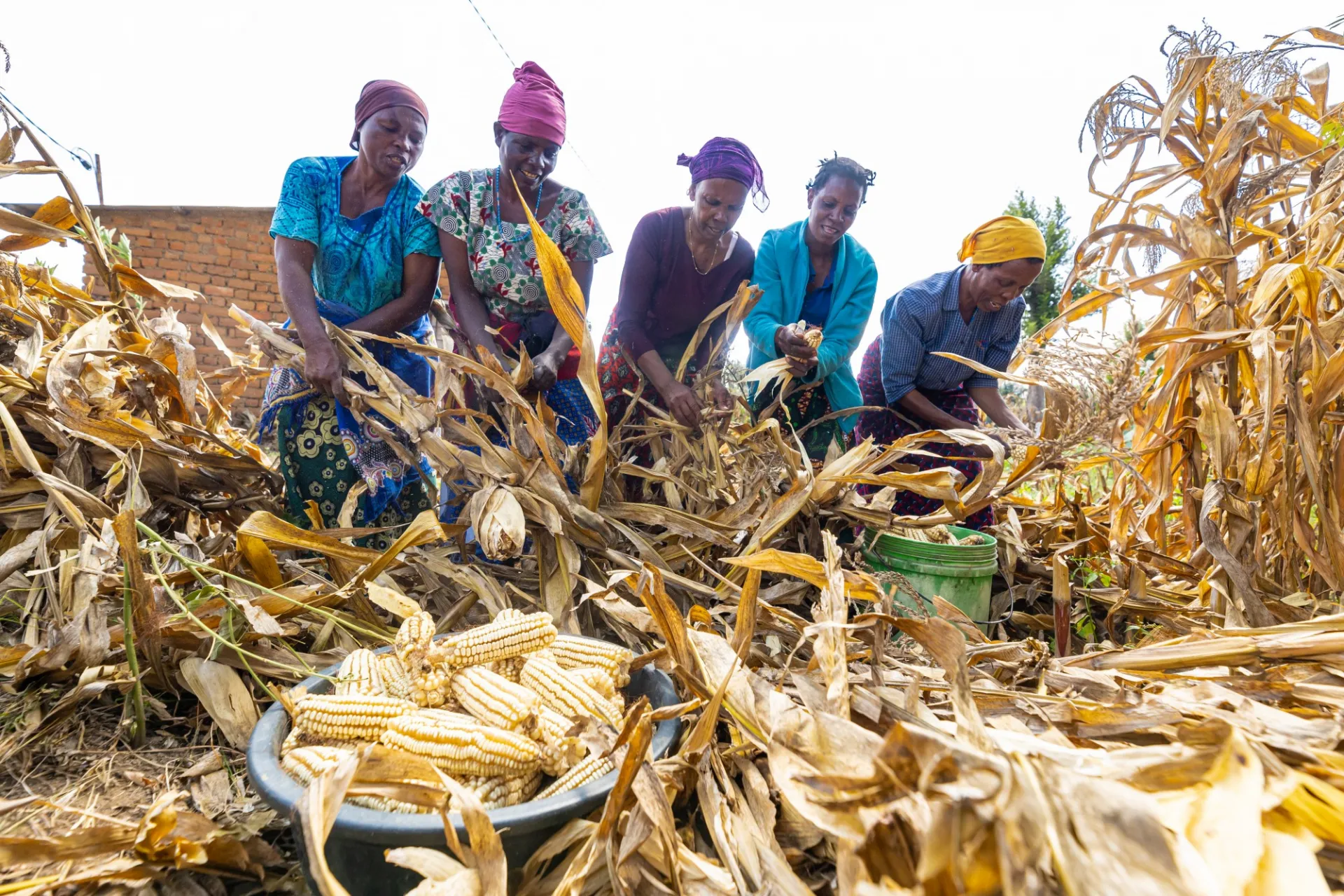
Food insecurity presents a pressing global challenge, disproportionately affecting marginalized populations, particularly women. Despite playing a pivotal role in agricultural production, women confront systemic discrimination that exacerbates inequalities within food systems. Globally, the prevalence of food insecurity is higher among women than among men, further worsened by climate change and extreme weather events. Securing the fundamental right to food demands nuanced and multifaceted approaches emphasizing gender-based equity, inclusivity, and economic empowerment. It is imperative to center…
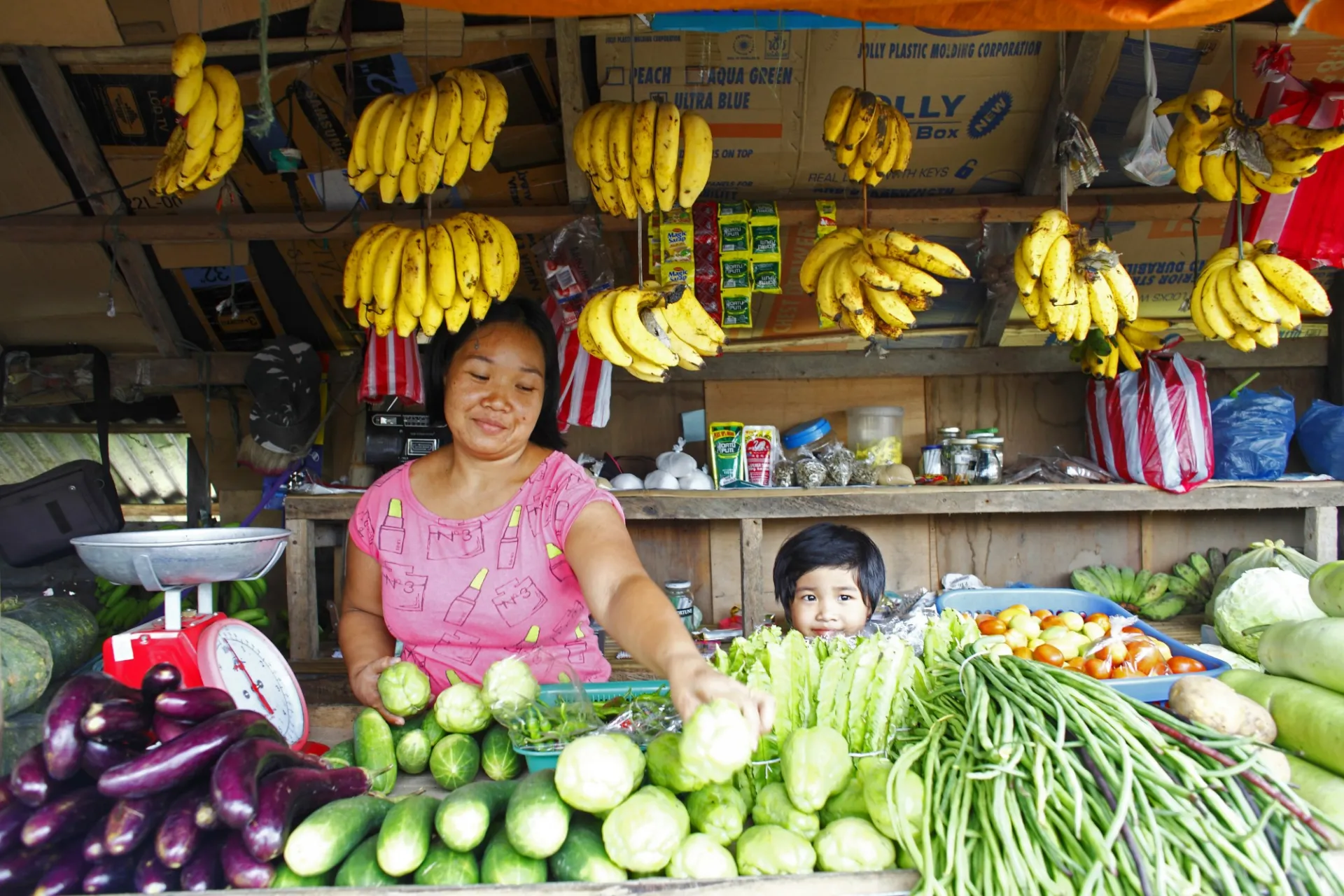
Food insecurity is not just a humanitarian or moral concern; it is also a critical economic issue with detrimental implications for national economies and the global economy alike. It, therefore, is highly relevant to the International Monetary Fund (IMF), an international financial institution with a macroeconomic and financial stability mandate. This article examines food insecurity through a macroeconomic lens, exploring its economic aspects, particularly in the context of increasing geopolitical fragmentation. It also discusses various policy responses by countries and the IMF’s role in the…
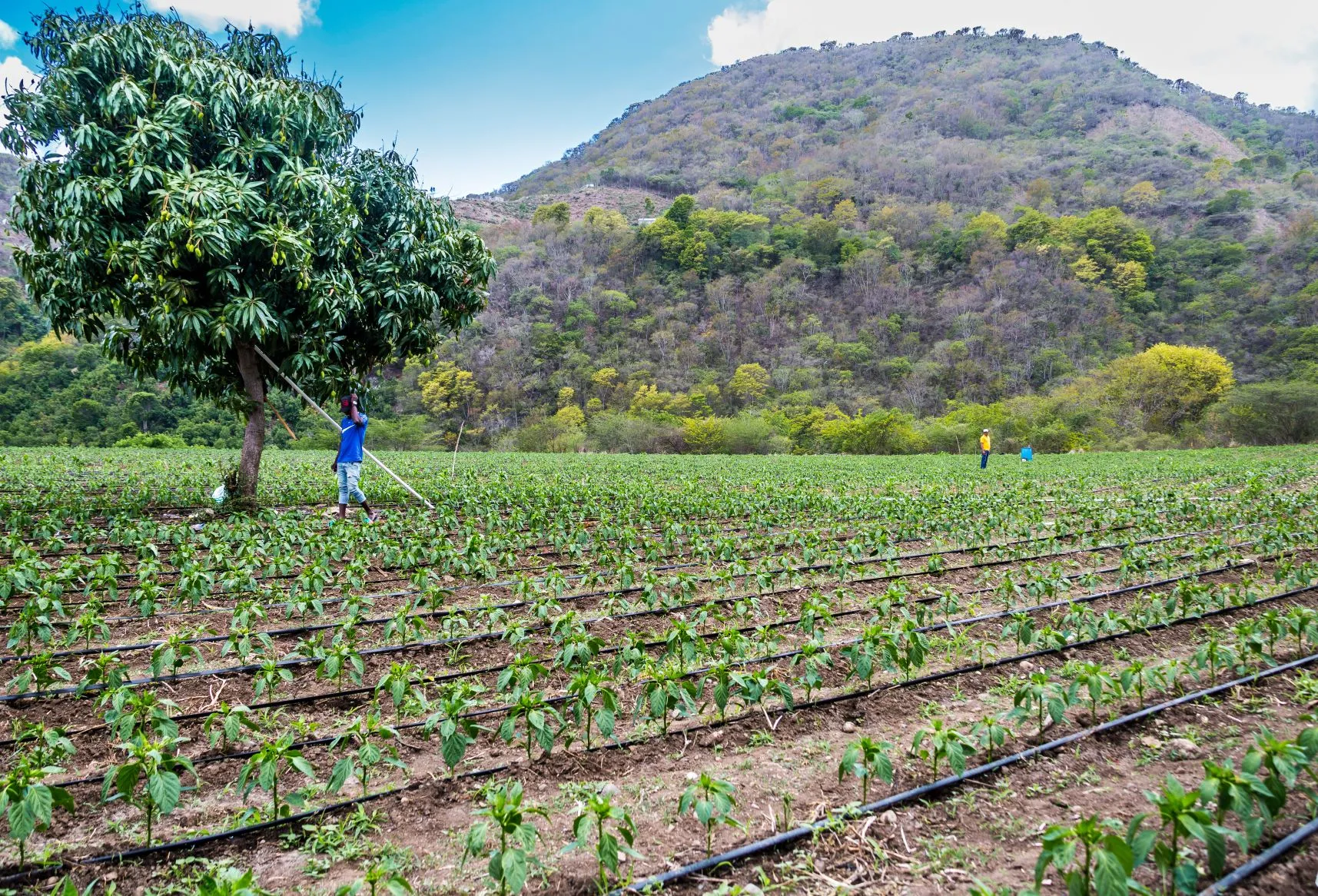
Food security is a perennial concern in the Caribbean. This manifests in several ways: a rising food import bill and its effects on national accounts, the overwhelming reliance on imported food, the adverse competitive situation facing the agriculture sector, and troubling declines in nutrition and health outcomes across the region. The Caribbean is also especially vulnerable to climate change, hurricanes, and droughts, all of which have accelerated in terms of urgency and their impact on food security. Despite these concerns, there are several reasons for optimism. Organizations like the Caribbean…