
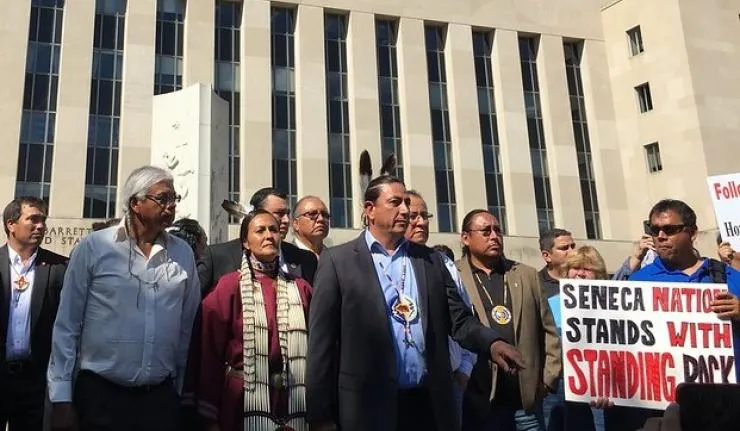
In this special Feature taken from the upcoming Politics of Protest issue, the Journal speaks with David Archambault II, former tribal chairman of the Standing Rock Sioux Tribe, about his experience in the 2016 Dakota Access Pipeline protests and educating Indigenous youth.

Following the Coronavirus pandemic related conspiracy theories emerged. Global powers began shaping the pandemic narrative, fending off blame and associating it with others. Some did it for domestic control, others to undermine their global adversaries.
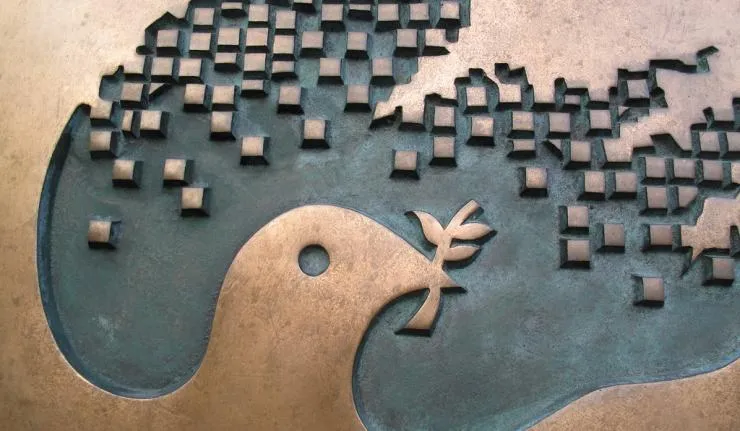
Olympic years have held a salient place in history, for during the celebration of the Olympic Games, participating city states (in the ancient era i.e. 776 B.C. - 393 A.D.) or member states (in the modern era i.e. 1896 onwards), would agree to observe an Olympic truce. The truce is a commitment to the cessation of hostilities and the deferment of conflict, to allow athletes to travel safely to participate in the Games. In the context of the universal crisis presented by the COVID-19 pandemic, and the postponement of the Tokyo 2020 Summer Olympic Games, it is important to ponder,…
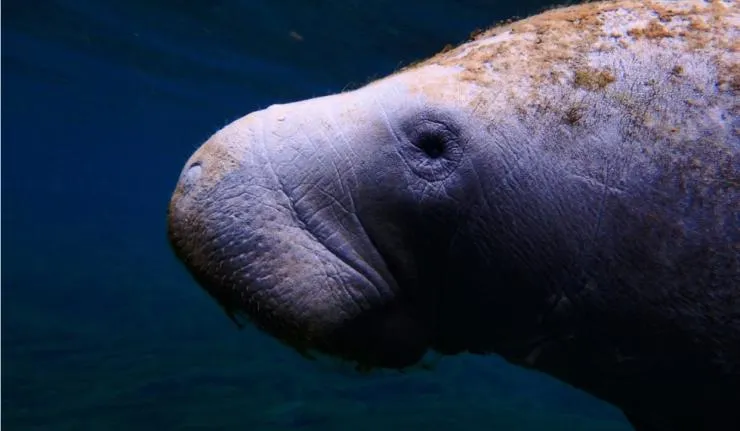
There has been constant conflict in the Okinawa Island of Japan regarding the construction of a new U.S. Military Base. The underlying reason for said conflict has been an environmental concern—the waters surrounding the proposed site for the base are home to the endangered Okinawa dugong, a manatee-like marine mammal. A recent judgement by a U.S. Court of Appeal in response to the conflict, comes arbitrarily, permitting the construction of the base and ignoring the environmental consequences. The authors argue that the judgment does not bode well for it is in violation of several international…

In 2009, the United Nations General Assembly formalized the 19th of August as World Humanitarian Day (WHD), in memory of the 19 August 2003 bomb attack on the Canal Hotel in Baghdad, Iraq, which killed 22 humanitarian workers, including the UN's chief humanitarian in Iraq, Sergio Vieira de Mello. On WHD, the world commemorates humanitarian workers killed and injured in the course of their work, and all aid and health workers who continue, despite the odds, to provide life-saving support and protection to people most in need. In commemoration of this year's WHD, the Journal of International Affairs…
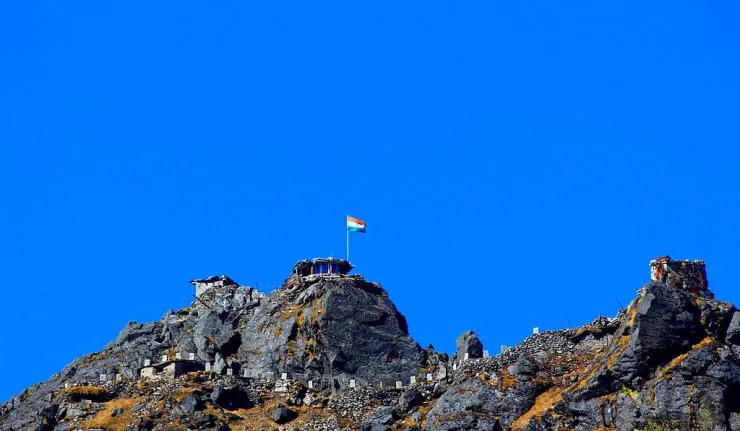
Twenty-one years after Kargil, South Asia once again finds itself at the brink of war. The India-China standoff has entered its 100th day, and the armed forces of the two countries stand prepared for escalating conflict in the Galwan Valley along the Line of Actual Control (LAC). The standoff bears a likeness to the India-Pakistan conflict in Kargil along the Line of Control (LOC) in 1999, this time with differing actors, geopolitics, and strategies for managing kinetic tensions and preserving the peace.
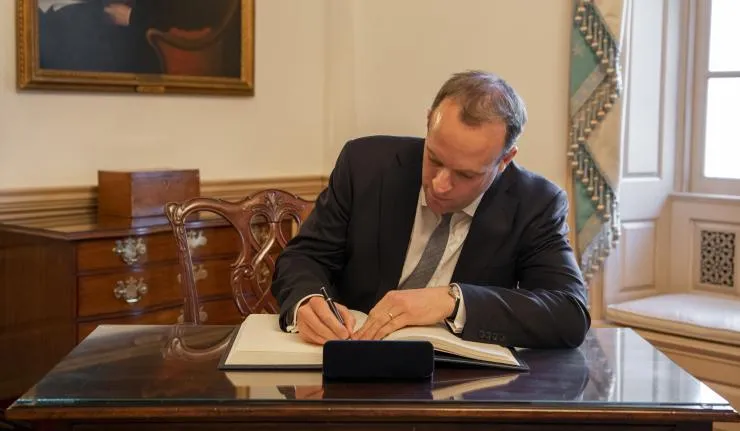
As post-Brexit Britain seeks to redefine its foreign policy, the country has taken a strong stand to condemn human rights’ violations and reject Chinese 5G technology. While a step in the right direction, the UK missed the opportunity to lead a coordinated multilateral response.

Invisibility is no longer a mere trope of fantasy and science fiction; it is a tangible area of research that many companies around the world are pouring vast resources into. This article seeks to trace the evolution of invisibility technology from a literary staple into a real-world innovation. It also seeks to explore its global security implications, particularly in asymmetric warfare and counterterrorism. It examines how the dynamics of warfare might change at a fundamental level once the technology becomes more widespread.

The United States needs a more proactive industrial policy, especially as China ramps up its own investments in new and emerging technologies.
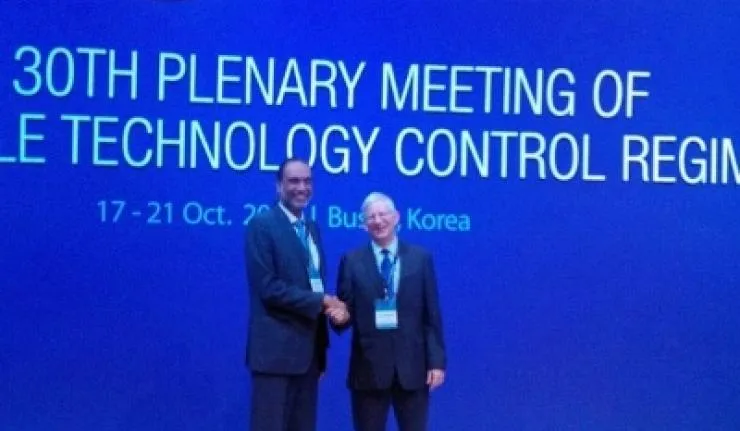
India was denied membership to an exclusive grouping of states called the Multilateral Export Control Regimes (MECRs) for nearly three decades following India’s Pokhran-I nuclear tests of 1974. Former Indian foreign minister Jaswant Singh termed this period of disregard by the West for India’s strategic interests “nuclear apartheid”. India’s lack of access to critical technology and material resources affected both its military and civilian sector. However, this “apartheid” began to unravel post the historic U.S.-India Nuclear Agreement of 2005. India was granted a waiver to the Nuclear…

Pakistan has a notorious and well-documented history of disrespecting the rights of religious minorities and enabling their rampant persecution. During a crisis like COVID-19, it is especially important for a country to prioritize the health and well-being of all its citizens. Instead, Pakistan has seen an increase of religion-oriented hate crimes and forceful conversions. This article highlights the roots of the inherent prejudices against minorities in Pakistan and how these have come to the fore during the pandemic.
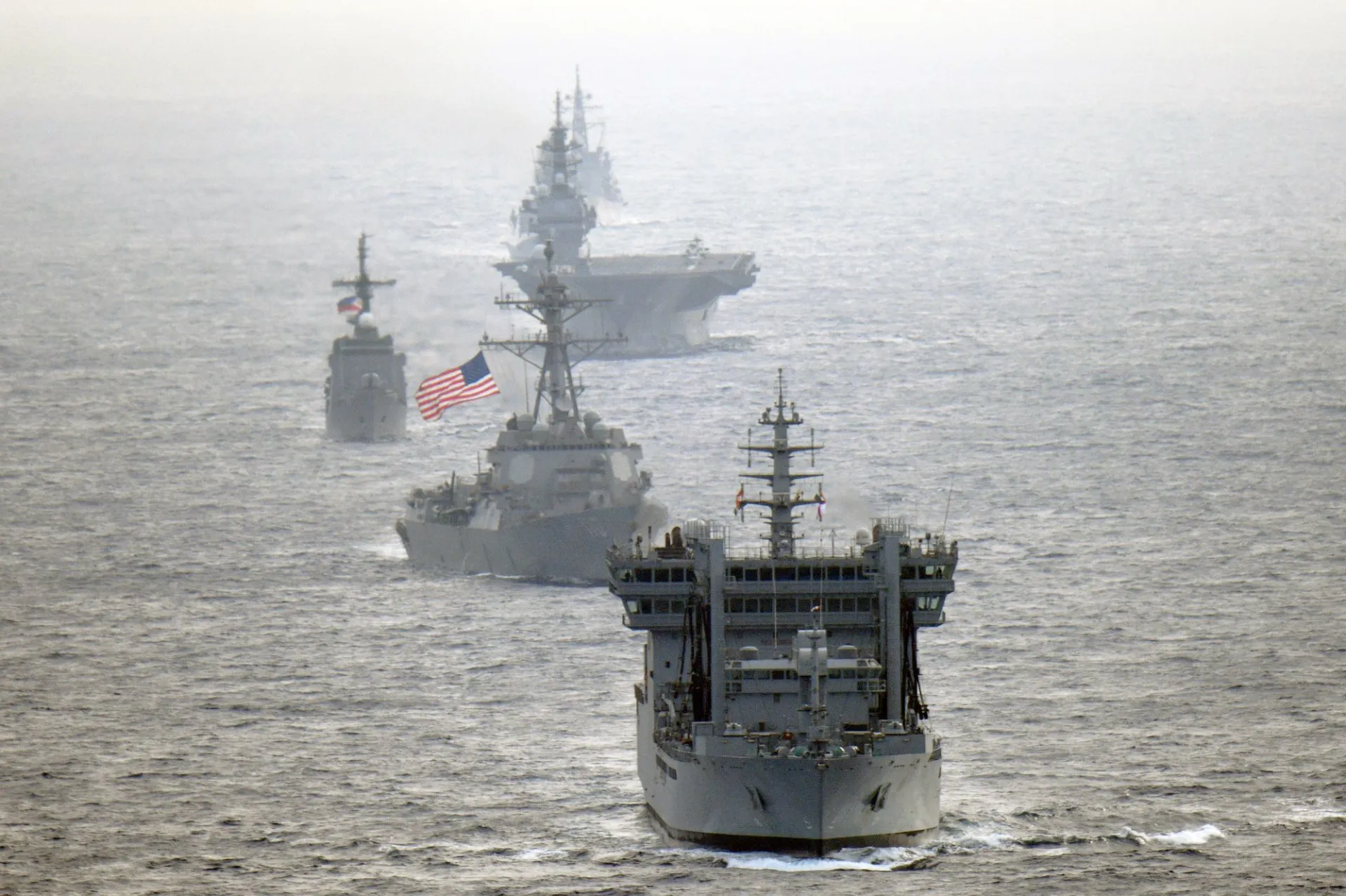
Alfred Thayer Mahan was an evangelist of sea power in the study of geopolitics. The essence of his vision was that sea power serves as the crux for the United States (U.S.) to control and influence world affairs. Today, three factors challenge his assertion: the rise of China, Trump’s unstable and unsustainable alliance system, and the devastating effects of the COVID-19 pandemic. Applying Mahan's vision to present day would imply that in order establish supremacy over the seas and achieve a favorable world order, the U.S. must forge a robust and functional alliance and partnership with like-minded…