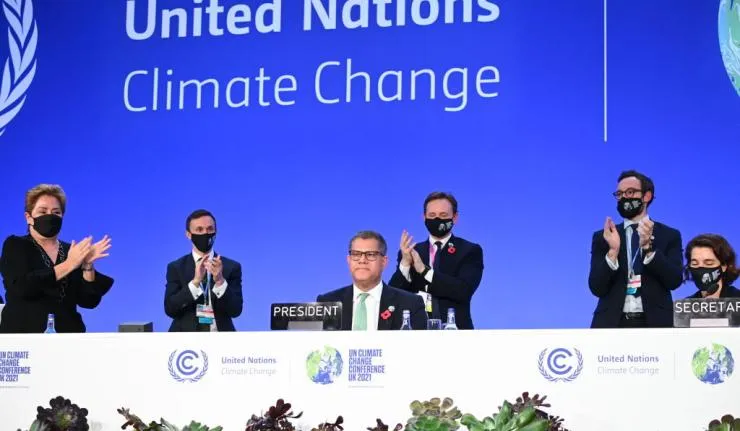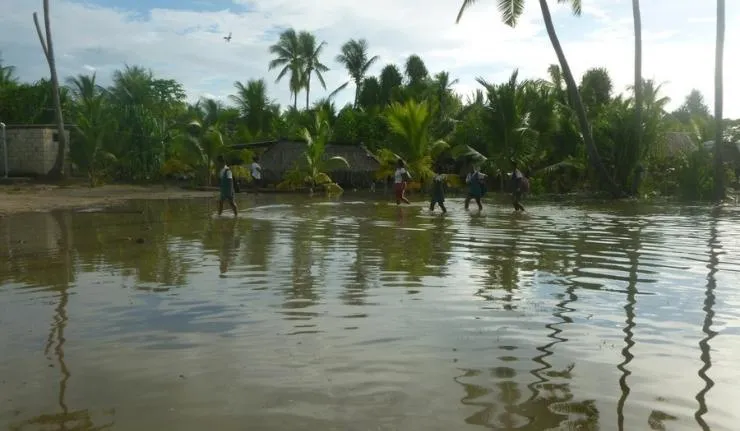
Climate change already drives hundreds of thousands to migrate from near-uninhabitable conditions in Small Island Developing States (SIDS). However, when international borders are crossed, environmental migrants fleeing the adverse effects of climate change are not yet automatically afforded legal protection under international law. The international law principle of non-refoulement offers a pathway to fill this legal protection gap for environmental migrants, but only if threshold requirements are met on a case-by-case basis. Importantly, the principle of the best interests of the child further…
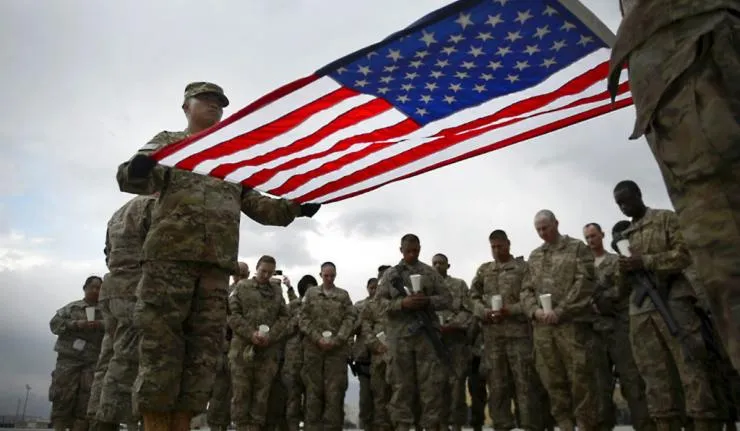
By winning three world wars in the 20th century, the United States was able to design the world’s global architecture. But as America turns its back on that design, the world finds itself at a hinge in history and must plot the path forward. The world needs a UN 3.0.
In the 20th century, the urban-rural divide drove urbanization in much of the world by encouraging migration from rural to urban areas. There were always marked regional variations in the outcomes of this process as net migration rates to cities waxed and waned in response to shifts in the costs and benefits of urban-based livelihoods. Newer factors affecting incomes and the costs of urban living have also arisen and influenced the nature of the divide. These include shifts in the global geography of different types of urban-based employment and significant rises in the costs of urban housing,…
Africa was once expected to be the heartland of COVID-19 cases and deaths—a monumental disaster waiting to happen. Yet, while Africa accounts for 17.2 percent of the world population, it thus far accounts for only 4 percent of COVID-19 deaths and 2.7 percent of cases globally. What does this appreciable disparity reveal or occlude about the management of public health emergencies in African cities? This essay explores lessons learned from addressing the COVID-19 pandemic in urban Africa, ranging from early and aggressive responses to community-led initiatives and sound public health policies…
The past two decades saw the expansion of what we could call “global urban governance,” with urban issues sprawling across several multilateral sectors, as well as the thriving of “city diplomacy,” meaning the international relations of local authorities. Many actors in world politics embraced this expanded role for cities, but what about nation-states? With the continued influence of inward-looking nationalism and the enduring clout of many national governments on both domestic and international fronts, tensions between central and local executives might have surged to an all-time…
At the Africities Summit 2018, African city representatives discussed the role of local authorities in the UN Global Compacts for Migration and Refugees and adopted the Charter of Local and Subnational Governments of Africa on Migration. At first glance, this municipal engagement may seem surprising, given that most African cities lack mandates for action on migration at the local, let alone the international level. However, in practice, a growing number of migrants and refugees are settling in African cities, whose local authorities are therefore confronted with core issues of international…
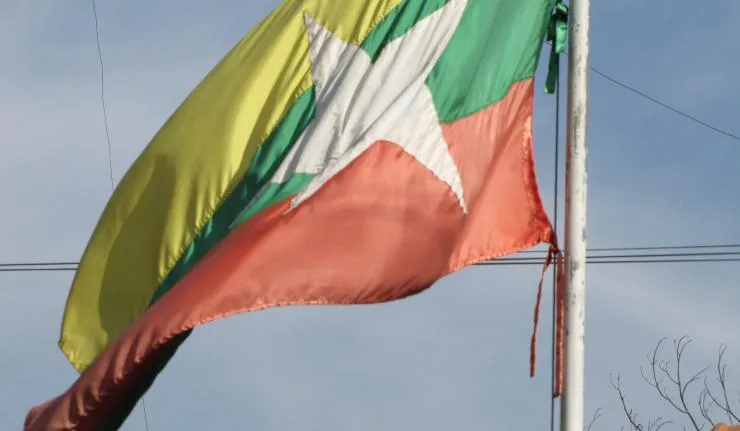
The military coup d’état in Myanmar in February, 2021 has posed unprecedented threats for human rights. Against the political turbulence, the U.N Special Procedure on the Situation of Human Rights Situation in Myanmar, one of the country-specific mandates of the Human Rights Council, is confronted with severe challenges in military brutality, denied access to victims, and the covid-19 pandemic. However, emerging opportunities can also be identified for Special Procedure to uphold human rights and pave the way for justice and remedies.
Rebuilding cities and towns after protracted conflict is a more common occurrence than many would find acceptable. It is also a policy challenge that can either exacerbate or help alleviate simmering tensions. Urban planning in the face of conflict, therefore, is an instrument by which economies and societies can be rebuilt. Urban spaces are often microcosms of social space; this can be seen, for example, in residential segregation by race or ethnicity derives, or spaces such as clubs that may be closed to some groups of people, or the symbolic manner in which some groups may feel alienated from…
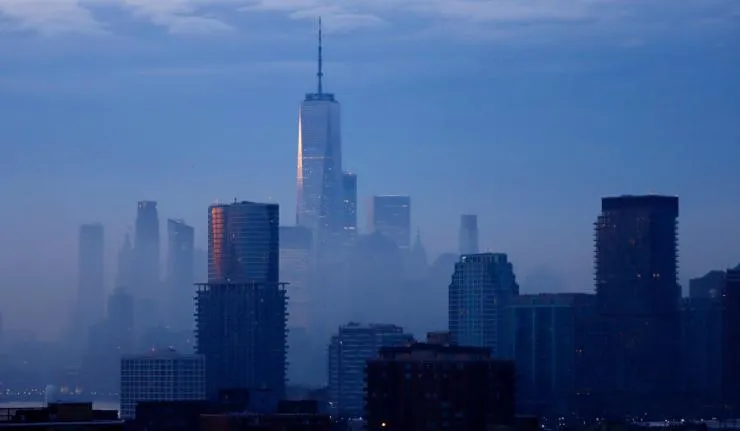
New York has the opportunity to be a model global city, advancing equity internationally through smart public policies and partnerships. Cultural differences and varied constituencies can make it difficult to coordinate global public policy changes, but annual voluntary local reviews can ensure a level of accountability. New York and its peers should pragmatically integrate global philanthropic organizations in public policy design and coordination. New York can lead on climate change and food security, and must seize its opportunity to be a global leader on racial and gender justice.
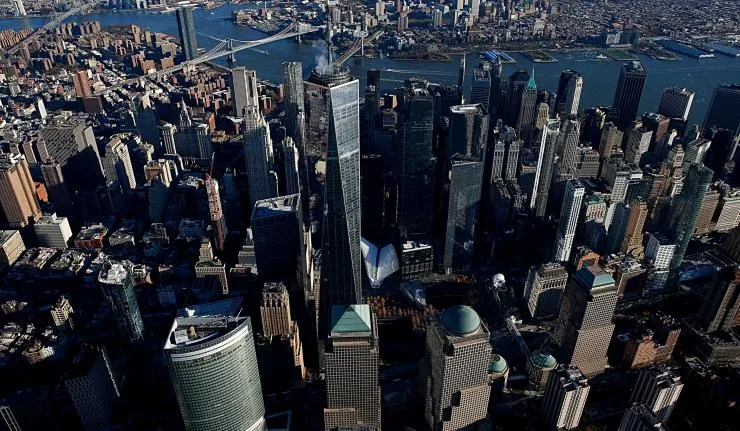
Modern city diplomacy finds city governments intervening in nearly all foreign policy arenas traditionally managed by nation-states. These trends are explicable by the same factors shaping the “municipal foreign policy” movement during the Cold War, while also growing more complex. In this study, I discuss four factors as they shape current city diplomacy trends. I also discuss their theoretical and policy implications. First, cities intervene to enforce universal norms when the national government violates or fails to enforce them, as seen in global cities recommitting to the Paris Accord…