
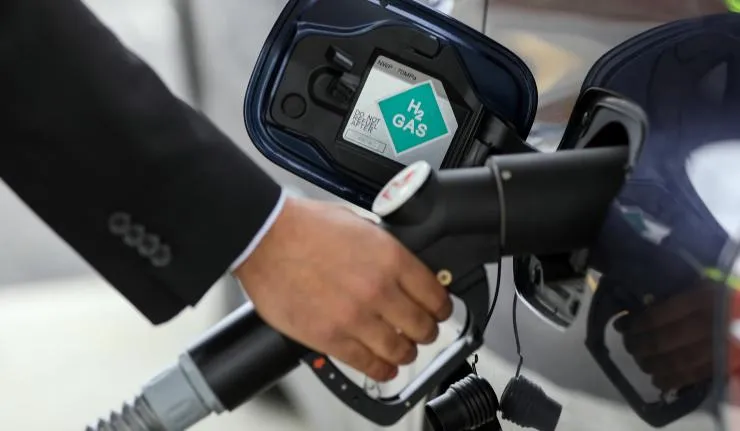
Hydrogen is increasing in importance as a greener alternative to fossil fuel energy sources. As hydrogen's usage, production, and trade grows, the global energy system and geopolitics of energy will change, prompting developments in infrastructure and requiring policy makers to rethink their strategies.
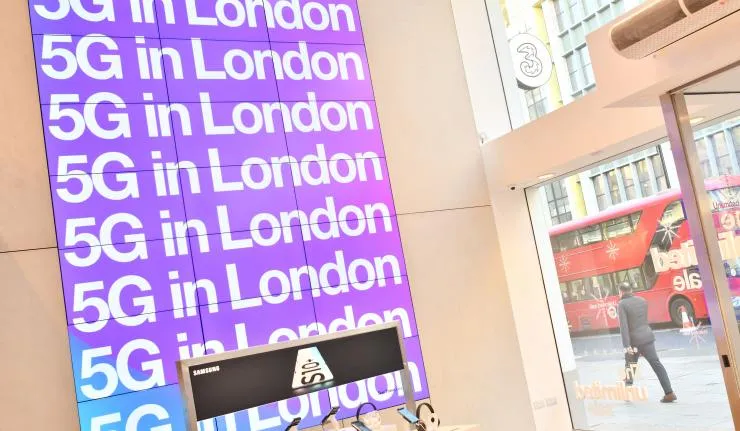
While Huawei provides cost-effective technology favorable to the UK, looming fears of potential Chinese espionage are changing its stance regarding Huawei leading to a total ban from its 5G infrastructure by 2027. However, although providing an international blow to Huawei, the ban remains limited in scope and highlights the underlying pressure from the United States and rebel Tory MPs to take a firm stance.
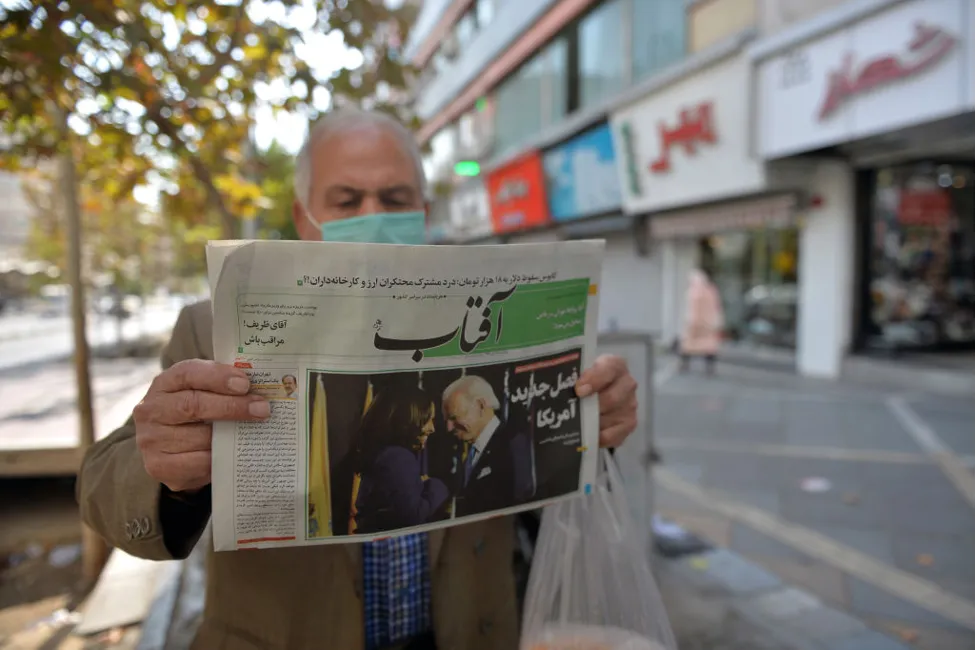
Barbara Slavin is the director of the Future of Iran Initiative and a nonresident senior fellow at the Atlantic Council, a lecturer in international affairs at George Washington University and a columnist for Al-Monitor.com, a website devoted to news from and about the Middle East. The Journal spoke with Ms. Slavin on the future of the U.S.-Iran relationship.
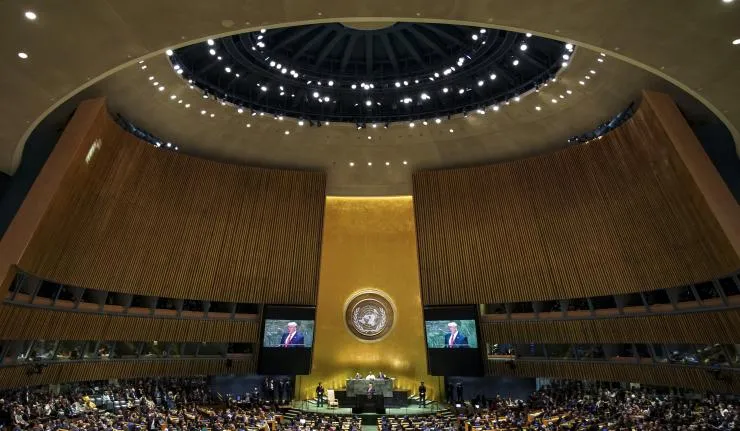
The United Nations Treaty on the Prohibition of Nuclear Weapons (TPNW) will enter into force on January 22, 2021, two days following the inauguration of Joseph Biden as the 46th president of the United States. Despite the TPNW’s widespread support throughout the world, the United States has attempted to thwart the treaty’s progress at every step, boycotting the negotiations from the start and urging other countries to withdraw as the treaty neared its entry into force. These efforts have proven unsuccessful. This article explores the implications of the entry into force of the TPNW, with special…
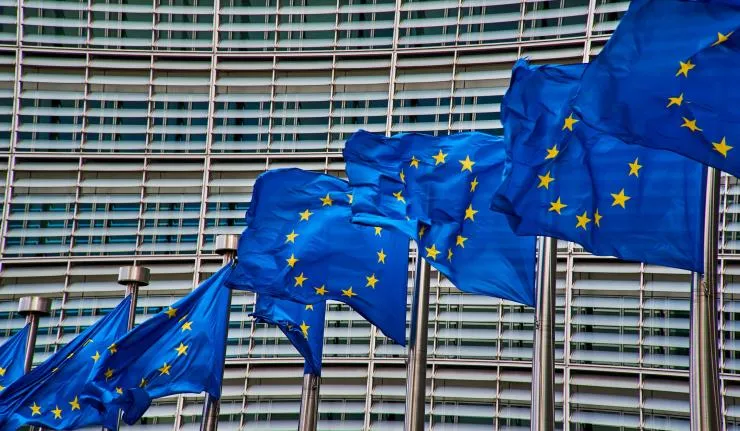
In September, the European Commission released its first Rule of Law Report. While the Report cannot be expected to single-handedly change the rule of law landscape of the European Union, it is a promising effort to monitor and react to rule of law violations. Most importantly, its release should be welcomed as a symbolic step towards instigating EU-wide dialogue.
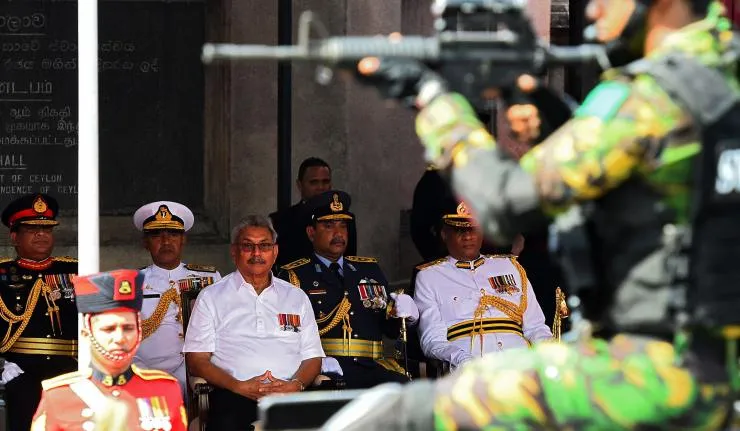
Military land-grabs and military-owned businesses have perverted the development-security nexus in Sri Lanka. The high levels of militarization in the Northern and Eastern Provinces lead to a worrisome downward spiral in which local citizens bear the brunt of the costs. Therefore, maritime securitization in Sri Lanka’s High Security Zones should be balanced against the country’s pressing social and economic development needs.

Spain, among the countries hardest hit by the COVID-19 pandemic, imposed one of the most severe lockdowns in Europe, which was administered by a left-leaning government under Prime Minister Pedro Sánchez. This provided an opportunity for Vox, a far-right populist party, to gain further popularity by promoting anti-lockdown protests. The process by which Vox has gained influence in Spanish politics over the last year shows the vulnerabilities in the Spanish system to anti-democratic and anti-pluralistic forces, and the ways…
Abstract
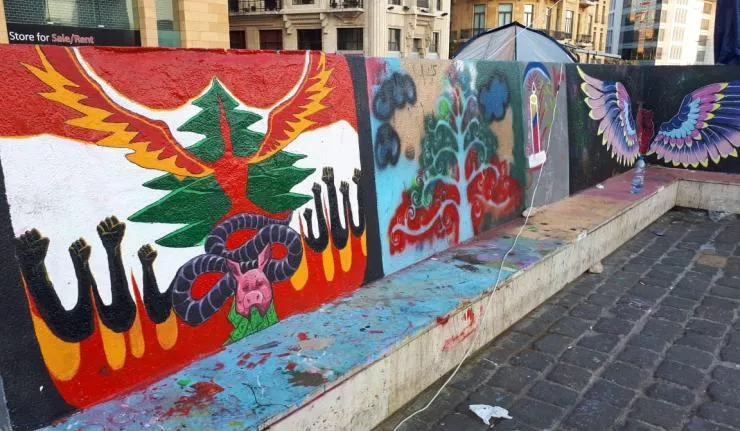
Predatory governments in the Middle East have survived despite widespread popular revolt and epic governance failures. Only a new governing compact can end this destructive but sustainable cycle. Using the examples of Lebanon and Iraq, we show how hybrid reform efforts that recognize the weakness of the state can renew approaches to citizenship, stability, and security.
Abstract
Protests are a regular feature of life in the Islamic Republic of Iran. Using street power to push for incremental change or voice discontent with government policy, major protests in Iran have been closely identified with the country’s reform movement. But from 2017 to the present, we posit that the aim of protests has drifted from reform towards revolution. We use the observable trend of change in geography, demography, violence levels, organization/ cohesion, and slogans of protests to argue that the 2017 event was a change point: a structural break from reform to revolution. Drawing…
Abstract
From collective flash-mobs such as “clap for our carers,” to solidarity campaigns launched by a variety of activist organizations, to the Black Lives Matter movement and anti-lockdown protests by right-wing groups, the COVID-19 crisis has been marked by intense social protest. In this article, I analyze these protests as different responses to the exceptional conjuncture of the pandemic, through the lens of social movement theory and the analysis of grievances and action repertoires. Focusing on the United States and Europe, I highlight that protests during the pandemic…