
Abstract
In the decade following independence, India, Pakistan, and Sri Lanka all saw ethnic protests as a result of nationalist language policies. The outcomes of these protests varied from peaceful co-optation by the state to civil war. What explains this? Research on ethnic unrest in the region has focused on structural factors, using identity cleavages, social networks, and ethnic fractionalization to explain how an ethnic group may behave during periods of unrest. In contrast, this paper examines three cases of ethnic protests in the context of state response. Tracing the process of the…
Abstract
This paper examines the rise of conflicts over the extraction of natural resources in the developing world. It emphasizes the main factors that motivate collective action: threats and opportunities. Challengers join in action to avoid the adverse socio-environmental effects associated with extraction, but they also mobilize because of new opportunities or advantages that extraction brings to host communities. These incentives are most likely to trigger collective action at the local level but can also prompt the participation of outside groups, depending…
Abstract
Hong Kong’s 2019–20 Water Movement has two distinctive features, expressed in Cantonese as “no main stage” (leaderless) and “no mat-cutting” (do not split). Drawing on original sources and firsthand experience on the ground, this paper reviews the campus standoff of the Chinese University of Hong Kong in November 2019 in relation to the principle and strategy of the leaderless movement. I argue that the imposed emphasis on the principle of “no main stage” has created another type of invisible power, discouraging individuals who possess experience, knowledge, and…
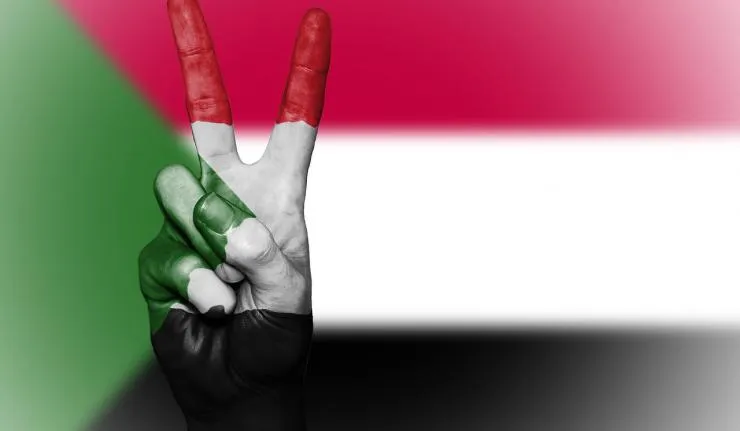
Mayada Hassanain is an independent researcher on poverty reduction, economic pluralism, and feminist political economy based in Sudan. In 2019, she spent months protesting and organizing in the movement that ultimately removed Sudan’s long- time president, Omar al-Bashir. The Journal spoke with Ms. Hassanain about the protest movement and the future of Sudan.
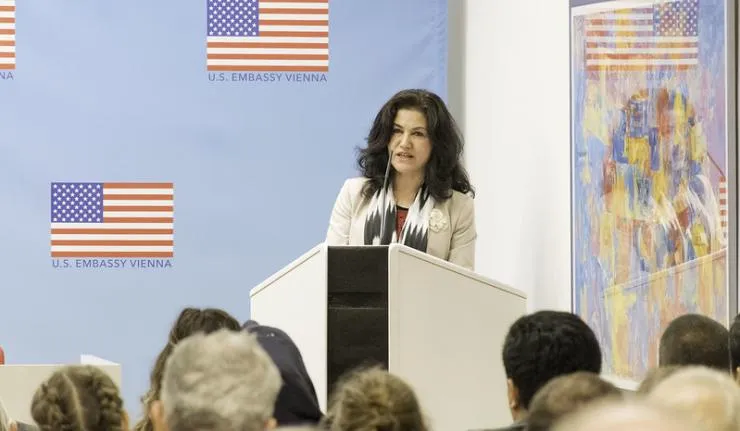
Rushan Abbas is a Uyghur-American activist. She is the founder and executive director of the Campaign for Uyghurs, and has been one of the most prominent voices speaking out against the mistreatment of the Uyghur people by the Chinese government. The Journal spoke to Ms. Abbas about her experience speaking out against China and what it will take to force accountability.
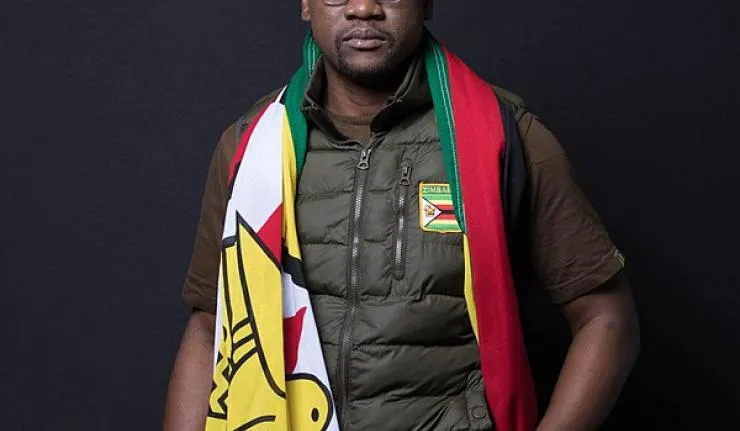
Evan Mawarire is a Zimbabwean pastor and activist. In 2016, a video he recorded, entitled “This Flag,” inspired tens of thousands of Zimbabweans to protest against the Robert Mugabe regime, leading to Mugabe’s resignation in 2017. Mawarire has since led a series of protests calling for government accountability and an end to corruption, and has been arrested multiple times in retaliation. The Journal spoke with Pastor Mawarire about this experience, and what it will take to break the cycle of corruption.

Assaad Thebian is a communications professional and activist in Lebanon. In 2015, he led—and was arrested in connection with—the #YouStink Movement, a protest movement decrying the Lebanese government’s corruption and failure to provide ser- vices. The Journal spoke with Mr. Thebian about growing up in Lebanon’s sectarian society, the #YouStink Movement, and the anti-government protests of 2019–20.
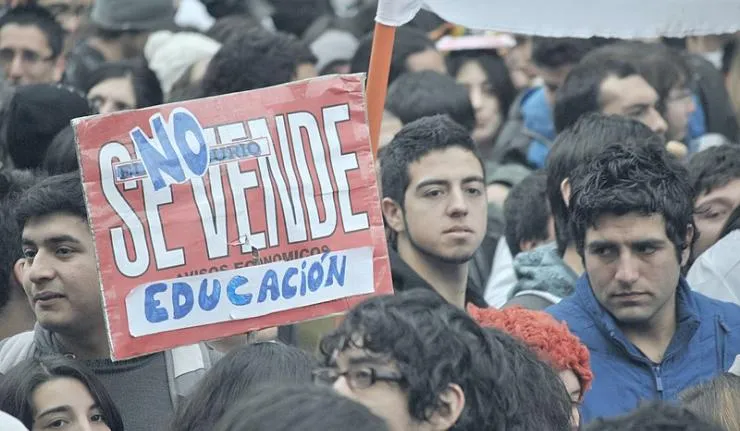
The 2011 global protest cycle, which included the Arab Spring uprising against authoritarian rule, the Chilean Winter protests to end for- profit education, and the Occupy Wall Street movement in the United States to highlight income inequality, marked the most important protest cycle since the movements of the 1960s in Europe and North America. Protest cycles are critical opportunities to effect political and institutional change, yet progress is not guaranteed. The key factors for fostering a positive link between protest…
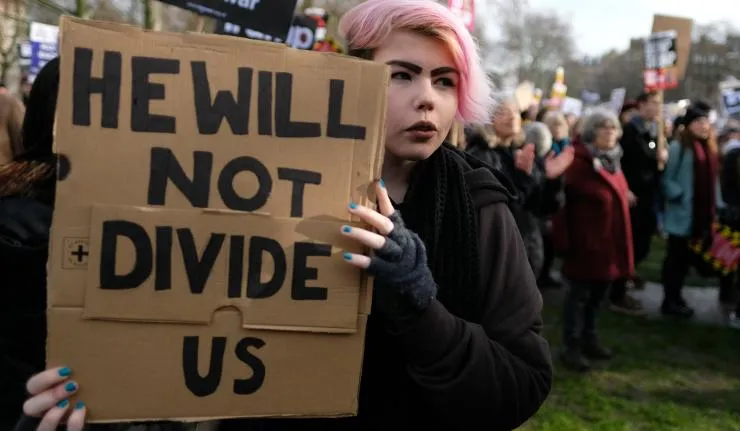
Recognizing the increasing ubiquity of protest in the United States, this article considers why protest has become so central to American politics. It argues that three factors contribute substantially to this situation: institutional illegitimacy, political polarization, and decentralization of communications media. Institutional illegitimacy means that Americans are less likely to trust the prevailing system of government, such as selecting the president through the Electoral College, making them…
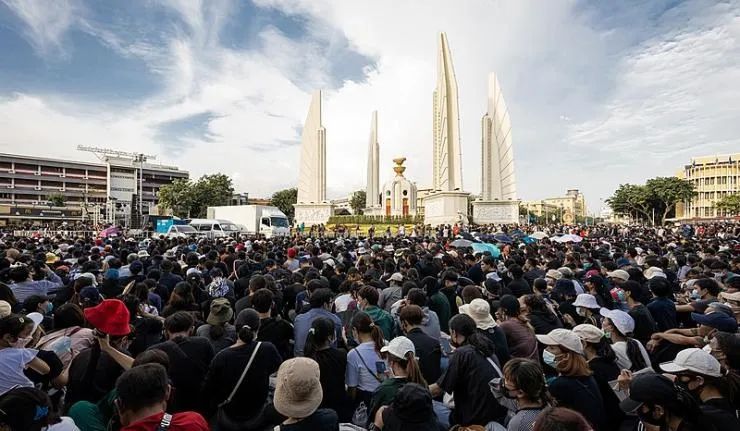
The Thai monarchy, in partnership with the powerful military, has faced an unprecedented challenge from protesters aiming to rein in its unchecked informal authority through specific reforms in adherence with the country’s Constitution. For decades, the two institutions had forged a solid partnership, which has stridently dominated the Thai political landscape, leaving a little room for contest from the opposition. But the monarchy under King Maha Vajiralongkorn faces a new crisis of legitimacy,…
Egypt, the largest state in the Middle East and North Africa region, has long been distinct since the 1970s for its large informal economy, defined in this paper as the economic activities, services, and its related jobs and enterprises that are not regulated or protected by the state. Likewise, it has experienced forms of social unrest, including several instances of large-scale protest, in the ensuing decades. Three protests—in 1977, 2011, and 2019—are analyzed, identifying the reasons surrounding their emergence and how they illustrate the relationship between the informal economy and the…