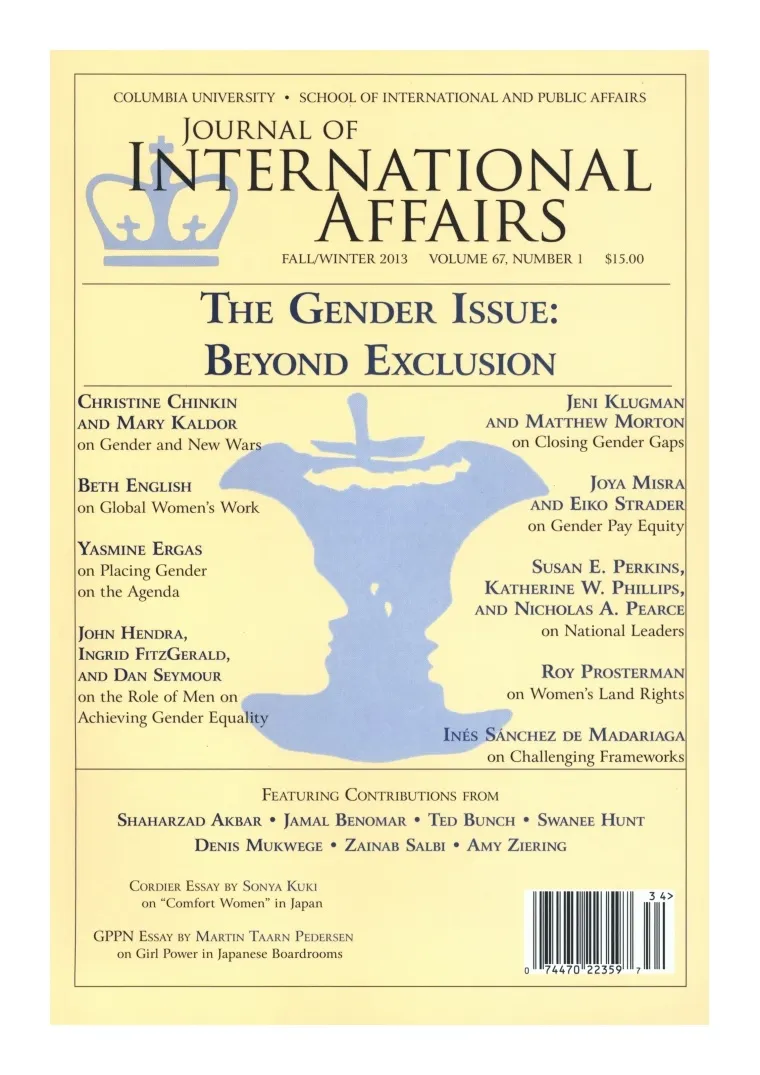
Increased recognition of gender inequalities and their repercussions for human and economic development has prompted heightened attention to gender in development financing on the part of multilateral and bilateral institutions alike. The movement towards gender mainstreaming and gender-informed financing since the mid-1990s departs from a traditional gender-neutral approach. This has instigated some important gains for development, contributing to economic growth, poverty reduction, and better trajectories for the next generation. The World Bank, for instance, documents nearly US$31 billion of gender-informed lending in fiscal year 2013. In 2011, OECD countries contributed about US$20.5 billion towards gender equality and women’s empowerment projects. Development agencies, however, are yet to exploit the full potential of gender-mainstreaming. In particular, there is a substantial need to address the overlapping constraints in which gender inequality is structurally embedded.