
Nation-states increasingly engage in strategic deception in cyberspace, frustrating traditional counter deception approaches. This paper evaluates and critiques the philosophical underpinnings and practical implications of existing military-political counter deception and computer forensic approaches. Analysts can better detect and expose strategic deception campaigns in cyberspace by focusing on the size and organizational strength threat actors need to conduct the operations.
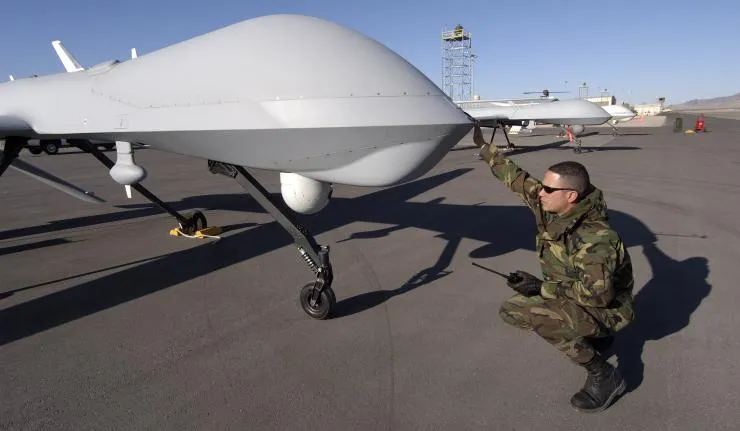
More and more military robots are being programmed to kill. The hope is that the absence of emotions and promotion of technical precision will save lives. But officials also expect these same robots to become fully autonomous, or capable of making their own decisions, when it comes to killing. The possibility that they may begin to kill indiscriminately is a scenario that more and more military strategists and ethicists are taking seriously.


To combat climate change, action must be taken quickly to slow the growth of fossil fuel emissions in the face of growing demand for energy. This challenge requires the concerted effort of all the nations of the world on a scale that has never been seen before.

Oil anxieties usually stem from fears about running out of oil, but the true oil scourge of the past is overabundance. Oilmen conceal their oil in order to maintain profits and manipulate their monopoly on oil so that they may wield political power. To keep the price of oil high enough to sustain the industry, oil authorities have developed methods of producing scarcity. The results of making oil scarce have been harmful to society economically, politically, and socioculturally. Since current forms of alternative energy are naturally scarce, this article evaluates whether the effects of the oil…