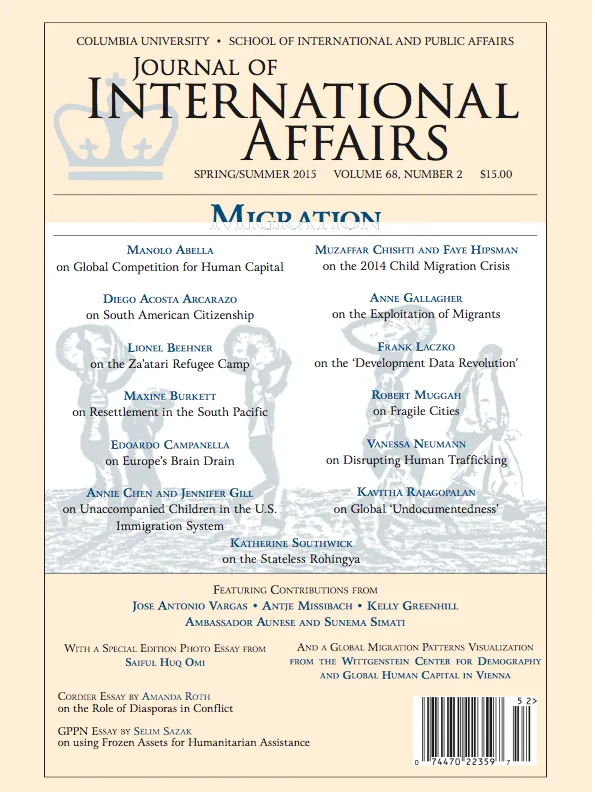
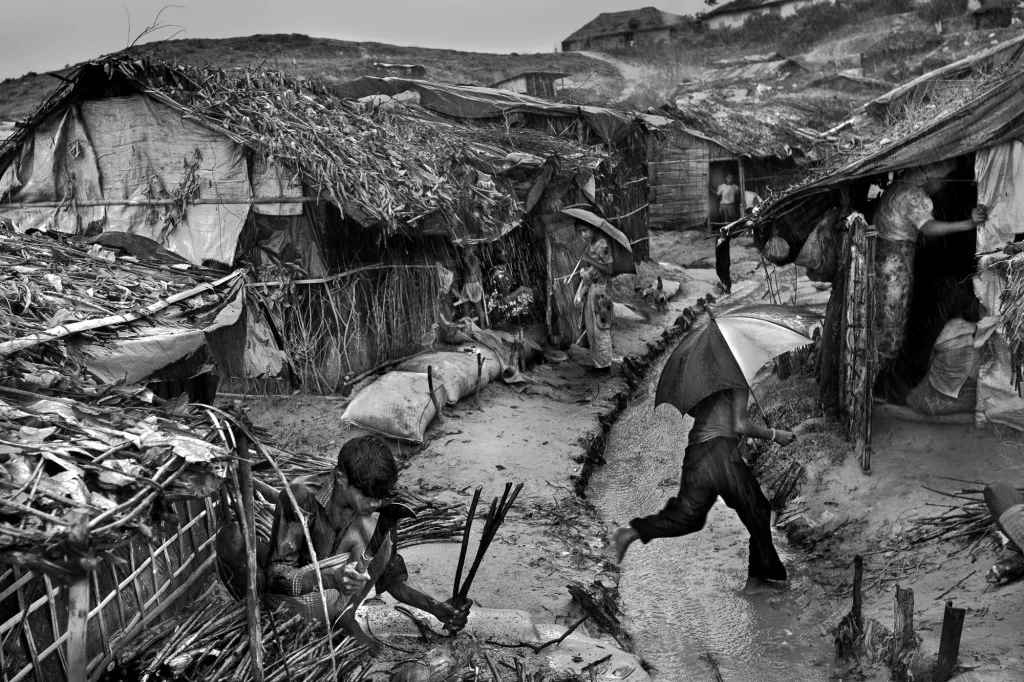

Since the end of the World War II, Europe has been repeatedly afflicted by waves of brain drain, with varying degrees of intensity across time and countries. But these outflows of human capital have rarely turned into some form of brain circulation, nor have they been compensated by adequate inflows of foreign talents. Now, the Digital Revolution and the economic restructuring imposed by a never-ending Eurozone crisis are amplifying the costs of these human capital losses, creating skills shortages that are undermining Europe's ability to compete globally. So far, the European Commission (EC) has…
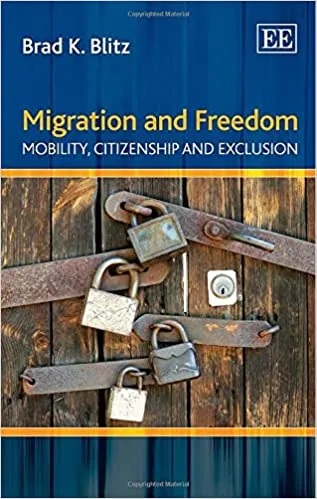
Prospects for meaningful immigration reform grow ever more remote on the agenda of the U.S. Congress. $46 billion was earmarked in 2013 for border security, a wastefully ineffectual increase of U.S. national debt.1 Public interest in prioritizing educated tech workers or job-creating investors remains a footnote to an afterthought.2 America: built on freedom of migration? A narrative’s power does not necessarily depend on its truth. What if the problem lies within its relativity and had at its core not the migration of foreigners, but the immobility and inadaptability of its …

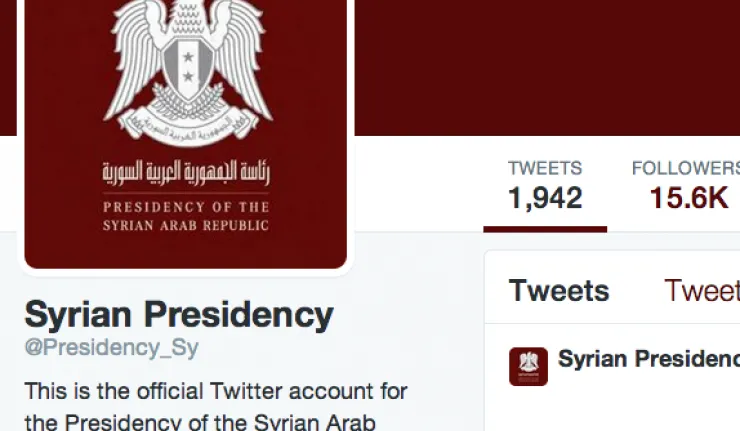
While autocrats are known for imposing strict regulations on speech, the intrinsic openness of digital communications sets up an interesting challenge. Bashar al-Assad has built an online campaign that is highly communicative, seemingly transparent, and spans multiple social media accounts, while attempting to transmit a rigid agenda. In the digital era, political communications lie increasingly on a nuanced spectrum between the fields of journalism, public relations, advertising, and propaganda. On this spectrum, Assad has built a pervasive and multifaceted communications campaign over the course…