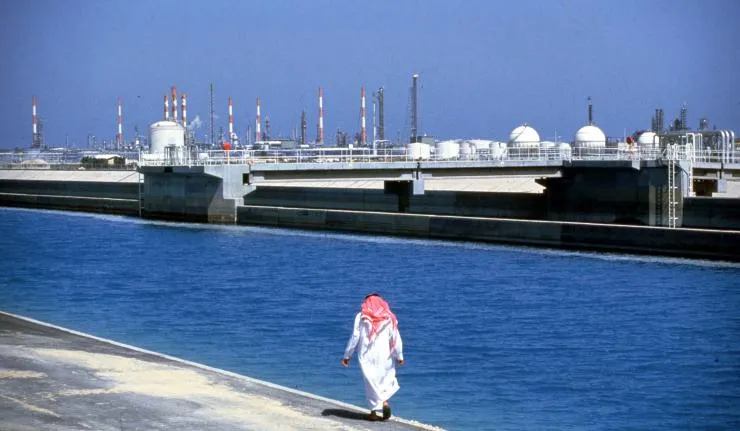
This article points out the cataclysmic power shift that would take place in the event of Saudi Arabia’s descent into political turmoil, and briefly covers some of the catalysts that could bring about such an event. Overall, the oppressive policies towards the Shia minority carried out by the Sunni-dominated Saudi monarchy are detrimental to the country’s national security. The religious disparities in the country have given the monarchy’s enemies—primarily Iran and Russia—a weakness to exploit. This article does not give evidence of any clandestine operations taking place within the…
Following the uprisings in the Arab world, the region has lurched into a period of massive change and instability. An unfortunate consequence of this change has been the rise and proliferation of militant groups such as ISIS (Islamic State in Iraq and al-Sham) and Jubhat al-Nusra in Iraq and Syria. These militant groups successfully recruit members from the region and beyond, fueling conflict in countries that have witnessed unrest, such as Libya, Tunisia, Egypt, Yemen, Iraq, and Syria. Although Jordan has long been seen as a regional hub of stability and security, especially by its Western…
The important role of young people in building peace and challenging violent extremism is gaining recognition within the international community. The United Nations Security Resolution on Youth, Peace, and Security (SCR 2250), passed in December 2015, is evidence of this trend. It represents a shift from the dichotomy of youth as either perpetrators or victims of violence to a perspective in which youth are viewed as agents of positive change and peace. In moving forward with this resolution and similarly reflective and supportive policy, one of the greatest challenges for the Middle East and North…
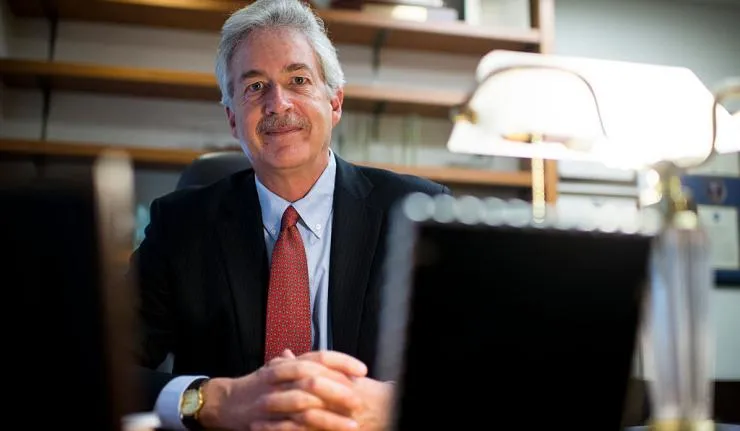
Ambassador William J. Burns helped lead the back-channel talks with Iran that led to an interim nuclear agreement in November 2013 and set the stage for the July 2015 Joint Comprehensive Plan of Action between Iran and the P5+1. Ambassador Burns retired from the U.S. Foreign Service in 2014 after a 33-year diplomatic career. He holds the highest rank in the Foreign Service, Career Ambassador, and is only the second serving career diplomat in history to become Deputy Secretary of State. Ambassador Burns served from 2008 to 2011 as Under Secretary for Political Affairs. He was Ambassador to Russia…

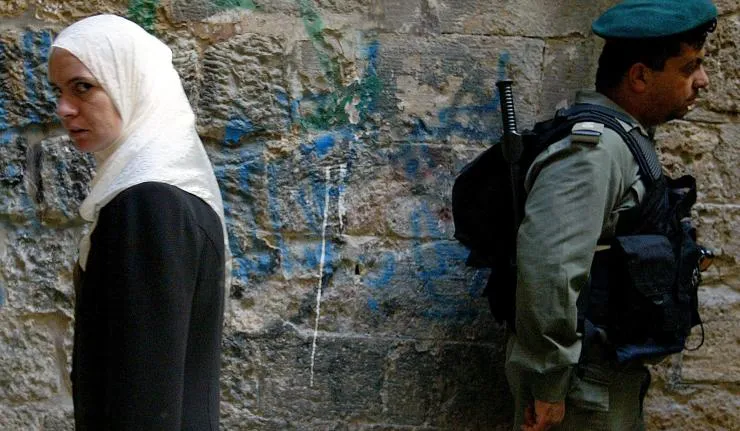
As a result of the 70-year conflict between Israel and Palestine, the United States should reconsider its support for a two-state solution and instead pivot to a one-state solution. Policymakers have assumed that deep hatreds can only be settled through separation. However, this policy has caused a stalemate and does not take into account fluctuating developments in the region. A more adaptive strategy is necessary. Using theories of ripeness and conflict mediation, this bold flip in policy can pave the path towards lasting peace. Exercising the instability created from Syria’s civil war, the…