
Jie Lu’s new book is a landmark work of political science that lucidly draws on the diverse fields of history, anthropology, and migration studies in elucidating divergent modalities of local village governance in China. Drawing on an impressive number of statistical analyses, rich case studies, and his own fieldwork in rural China, Lu strongly makes the case that the effectiveness of local governing institutions in rural China is dependent on the social environment, community networks, and rates of out-migration. Through exploring local governance in Chinese villages, Lu sheds important insight…
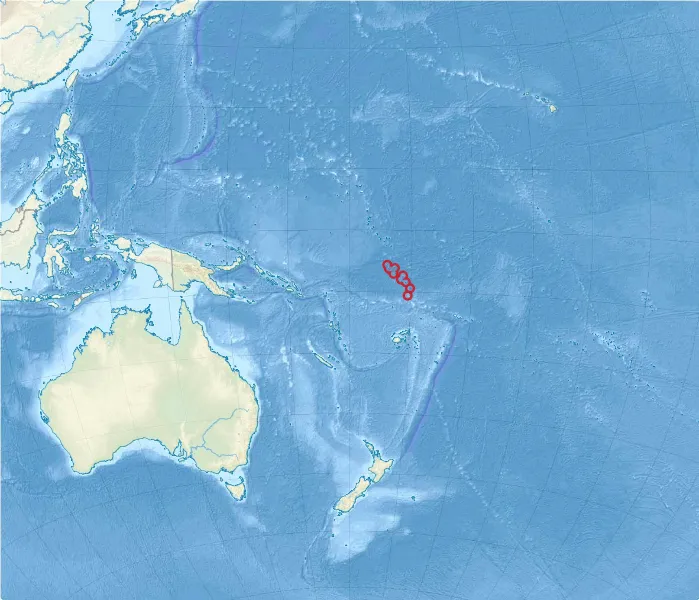
Tuvalu is a small nation of islands near Fiji with a combined population of about 10,000 people. Internal flooding, loss of vegetation, and the threat of devastating tropical storms are just some of the issues that its people face today. The Pacific nation is one of the first countries in the world to see its livelihood threatened due to these problems. Tuvalu's Permanent Representative to the United Nations (UN), Aunese Makoi Simati and his wife, Sunema Pie Simati, sat down with the Journal to discuss some of the challenges their nation faces and their hopes for the future.
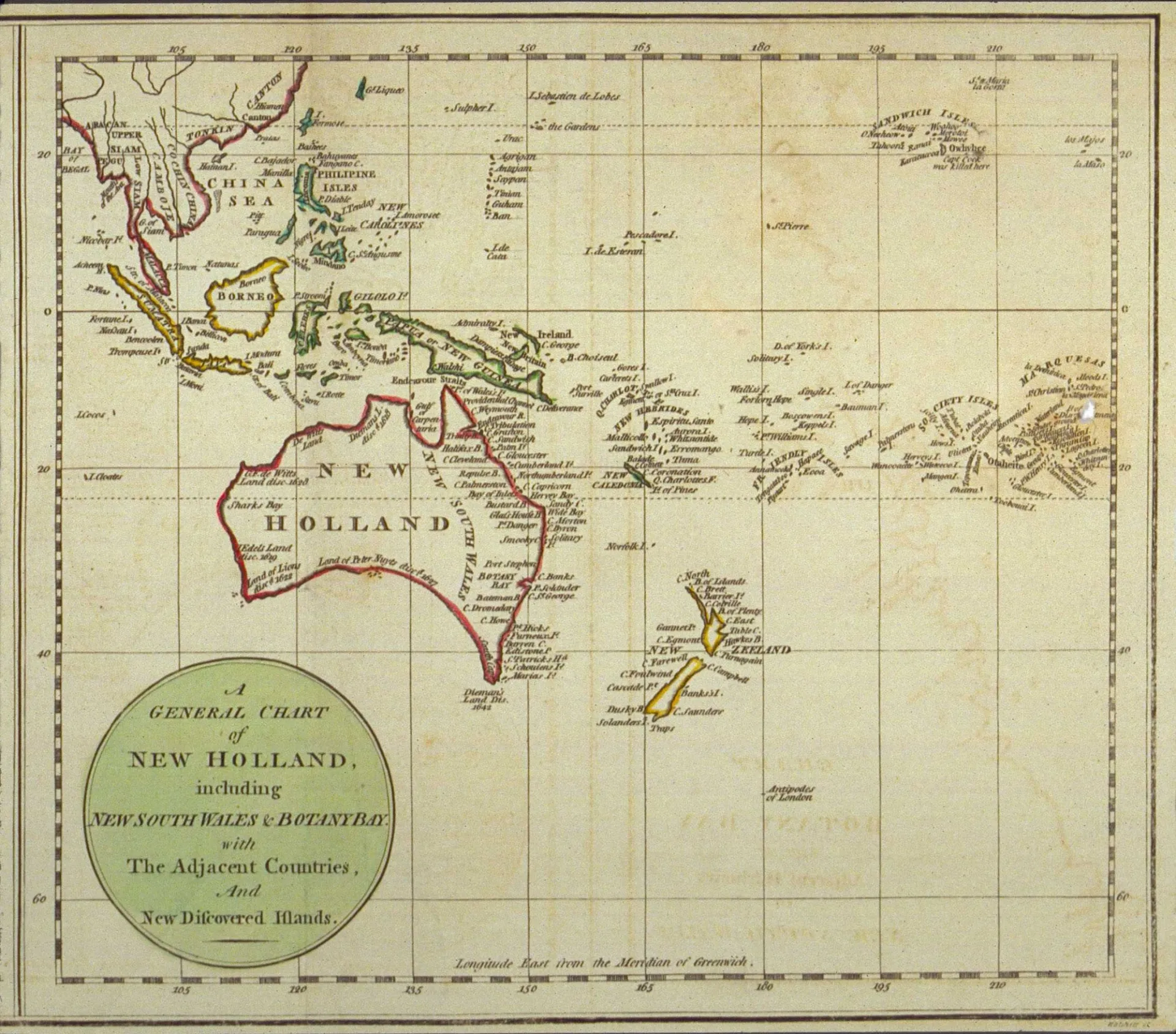
With over 80,000 kilometers of borders, Indonesia has become a transit hub for migrants hoping to reach Australia. However, as Australia tightens its entry and immigration policies under Prime Minister Tony Abbott, many migrants have found themselves struck in this archipegic country. Some surrender to the authorities immediately and end up in detention centers, while others live in secrecy. Dr. Antje Missbach is a research fellow at Monash University in Melbourne, Australia, who has been studying the migration flows since 2010. She spoke with the Journal about trends that she has seen from her…

Jose Antonio Vargas is a Pulitzer Prize-winning journalist who was formerly a staff writer for The Washington Post, among other prominent publications. In a 2011 New York Times Magazine essay, he revealed himself to be an undocumented immigrant to promote public dialogue about immigration issues in the United States. He went on to produce a documentary, Documented, about his family history and launched the organization Define American with the goal of changing the conversation about immigration reform in the United States. Vargas spoke with the Journal from Los Angeles, California…

Dr. Kelly Greenhill is an associate professor at Tufts University and a research fellow in the Belfer Center's International Security Program at Harvard University. She studies the security of migration change. Her work focuses on new security challenges, including forced migrations, and how these may be used as a political weapon or a tool for diplomacy. Her recent book, Weapons of Mass Migration: Forced Displacement, Coercion, and Foreign Policy, won the 2011 International Studies Association's Best Book of the Year award. Greenhill also was a co-author and co-editor (with Peter Andreas)…
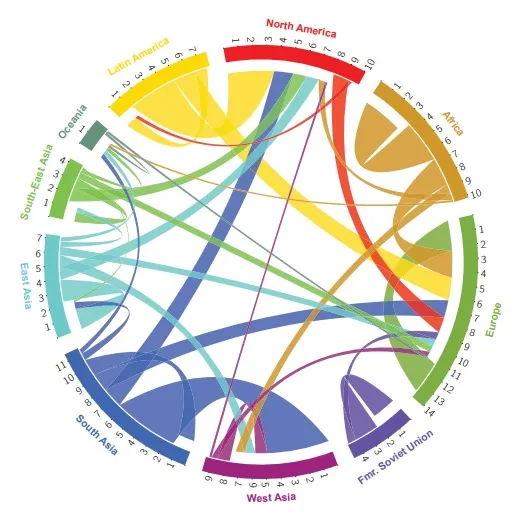
Created by a team of researchers at the Wittgenstein Center for Demography and Global Human Capital in Vienna, this visualization explores bilateral migration fows between 196 countries. The project used stock data from the United Nations (the number of people living in a country other than where they were born) to estimate these flows over five-year blocks of time. Rather than calculating the net flow, the color of the line represents the country that the migrants left, and it points to the new country where they settled. The thickness of the line represent how many people followed that path of…
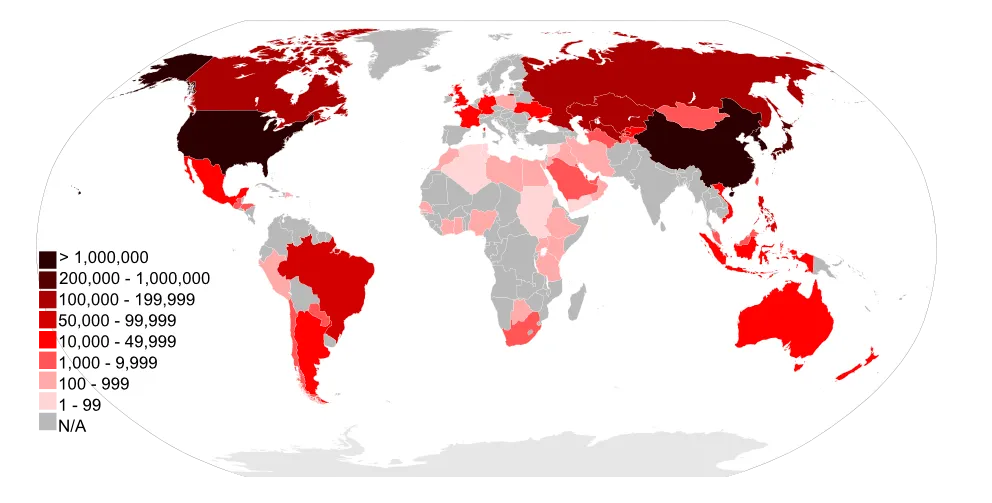
This paper seeks to examine the role of diaspora populations in the perpetuation or resolution of violent conflict in their homelands. The goal is to demonstrate the increasingly significant role diasporas play in international affairs and the importance of viewing diaspora groups as separate actors in a conflict, often with different motivations. Diaspora groups are capable of exerting disproportionate influence over events in their countries of origin, due to disparities in economic wealth, freedom of expression, and influence on governments in their adopted homelands. Concurrently, the conflict-related…

As demonstrated by the recent crisis in Syria, the international community is failing to respond effectively to refugee crises around the world. With the civil war in Syria and the massive influx of Syrian refugees into neighboring countries such as Lebanon, Jordan, Iraq and Turkey, as well as many countries in Europe, the efficacy of the international human rights regime in responding to complex humanitarian emergencies has once again come under question. In January 2015, the Office of the United Nations High Commissioner for Refugees (UNHCR) declared that Syrians overtook Afghans as the largest…

Measuring and mapping human trafficking are challenging for several reasons and therefore do not lead to effective counter-trafficking strategies. Understanding the drivers of human migration, however, is a much more promising approach for developing policies with risk-mitigating strategies. Insofar as the patterns of human migration are intertwined with other aspects of illicit trade, they can serve as an early warning signal of vulnerabilities in the global trade system for criminal activity. Tracking the financial links between human trafficking and other crimes provides various options for…
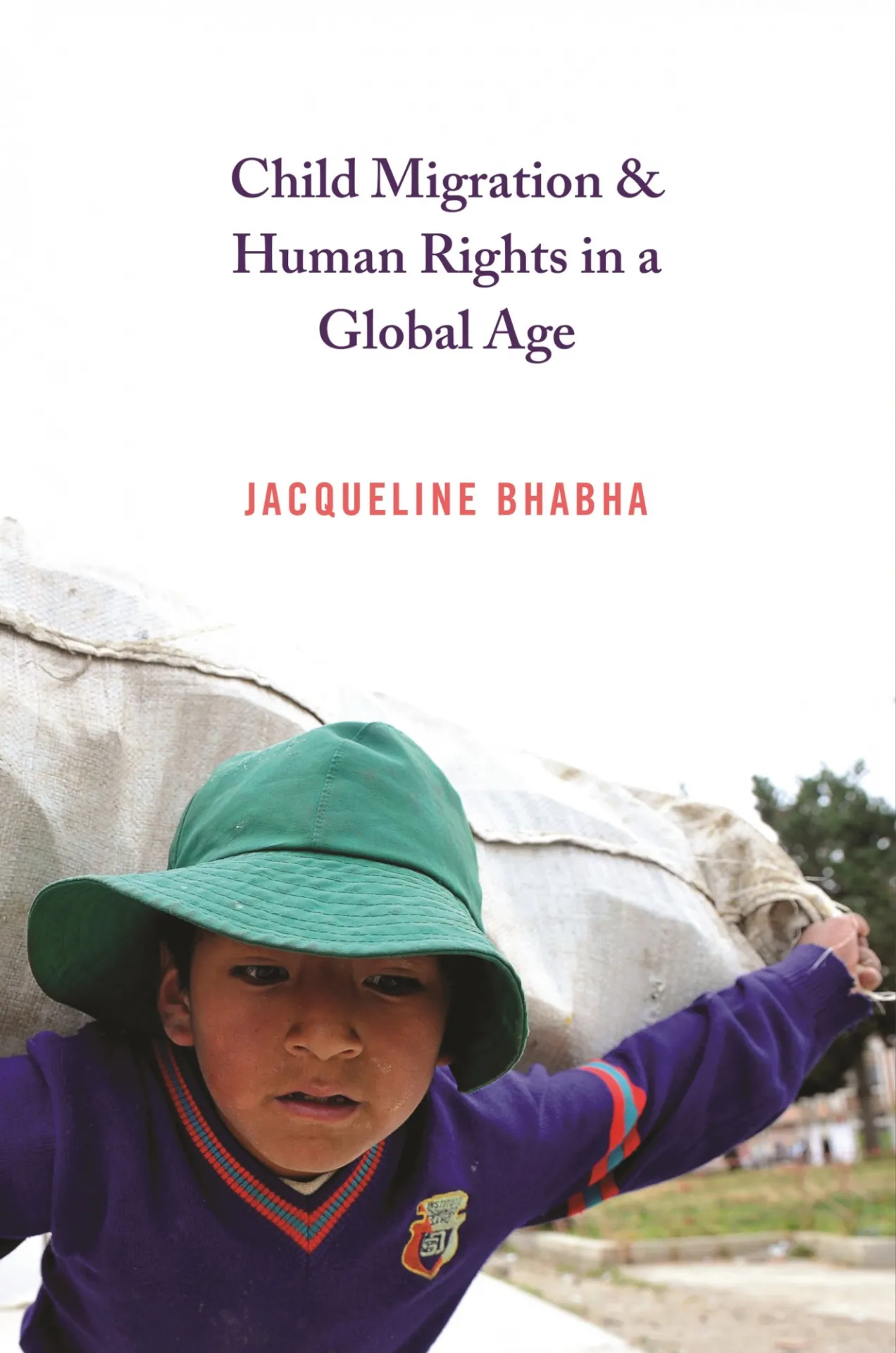
The central thesis of Child Migration & Human Rights in a Global Age argues an interesting position. Rather than treating children as subservient dependents of adult migrants, Jacqueline Bhabha makes a compelling case for examining them individually. In many cases, their needs differ starkly from their parents’, and they are especially susceptible to an entirely different collection of dangers. The text is skillfully layered with a legal history of the field, and to maintain its accessibility, the author takes pains to include anecdotes that illustrate…