

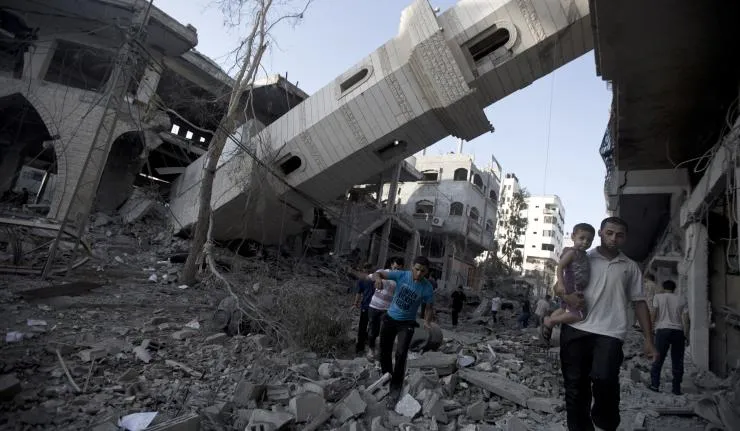
Several factors contribute to or inhibit the “contagiousness” of regional conflict and irregular warfare, whether conducted at the interstate, extrastate, or intrastate level. Five broad drivers of the diffusion of regional conflict are (1) weak states, (2) anticipated power shifts, regional and domestic, (3) unstable and poorly controlled border regions, (4) large refugee flows, and (5) the religiously-based non-state militant campaign against the state as an organizing principle of world politics. These factors are both endogenous and exogenous to particular states and societies, and must…
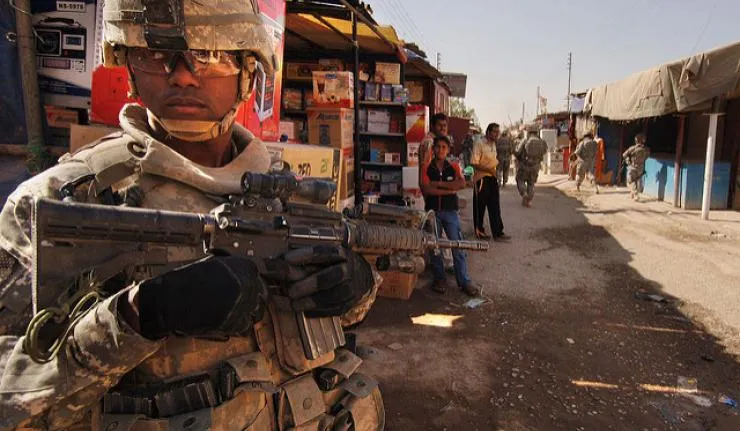
This paper examines the origins of political violence in Iraq. It argues that, in the wake of the democratic transition process in from 2004 to 2005, Iraqi exiles, who were chiefly Shiite Muslims and Kurds appointed by Paul Bremer, Iraq’s U.S. civilian administrator, moved to write a constitution and set up a political system that deliberately marginalized minorities. Since then, the Sunni minority began and continues to engage in or support violence against the state. It suggests that violence and instability in Iraq are to be understood in terms of local contexts of meaning, notably the nature…
As the Middle East goes through one of its most historic, yet painful episodes, the fate of the region’s Kurds have drawn substantial interest. Transnational Kurdish awakening—both political and armed—has attracted unprecedented global interest as individual Kurdish minorities across four countries, Turkey, Iraq, Iran, and Syria, have begun to shake their respective political status quo in various ways. It is in Syria that the Kurds have made perhaps their largest impact, largely owing to the intensification of the civil war and the breakdown of state authority along Kurdish-dominated northern…
Indiscriminate killing, chemical warfare, the rise of extremists, and the worst humanitarian crisis since World War II make it easy to overlook important details of the Syrian conflict. The destabilization of Syria has created an environment uniquely suited for cultivating illicit economies, particularly the production and transportation of illegal drugs such as Captagon. Little known outside of the Middle East until 2014, Captagon production in Syria adds a new dimension to a conflict that already has numerous competing forces. Hezbollah, a known supporter of the Assad regime and ally of…
Until recently, Iran has been economically isolated by way of sanctions, preempting investment opportunities with states allied with the United States. However, the Obama administration’s recent effort towards economic normalization with Iran affords it with unprecedented commercial possibilities, and per the focus of this article, legalized commercial enterprising within Saudi Arabia, the United Arab Emirates, and other Gulf Cooperation Council (GCC) States—across sectarian tensions and fault lines. From both a legal and practical prism, this article investigates the recent lifting of sanctions,…
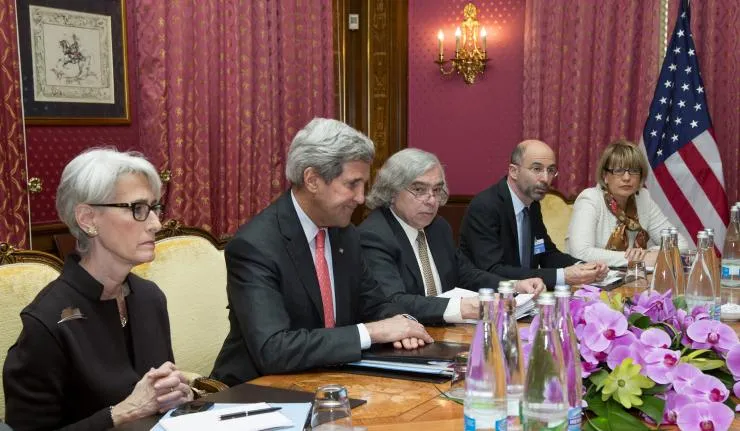
While a traditional structural realist approach will conclude that the Iranian nuclear is deal disadvantageous to the relative power position of the U.S., an alternative view into the theory can be used to explain the agreement’s strategic significance and logic.
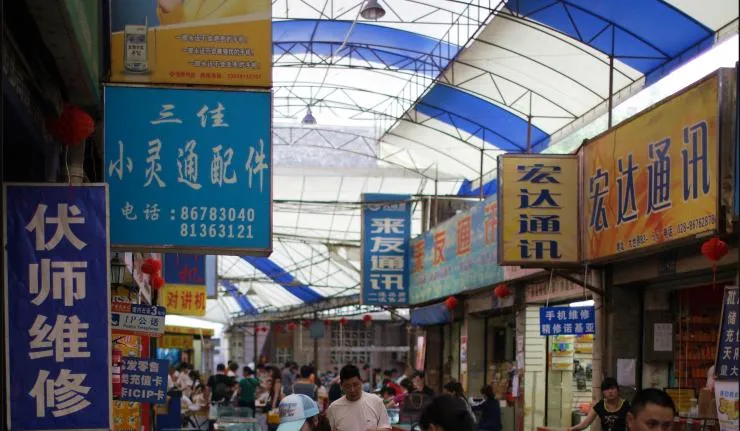
To many, poverty alleviation and economic development in Africa can mean two things: resource extraction or foreign aid distribution. However, the emerging mobile phone trade between African countries and China indicates the potential of an alternative growth strategy centered on small African traders that can deliver more equitable distribution of profits throughout Africa.

To combat climate change, action must be taken quickly to slow the growth of fossil fuel emissions in the face of growing demand for energy. This challenge requires the concerted effort of all the nations of the world on a scale that has never been seen before.
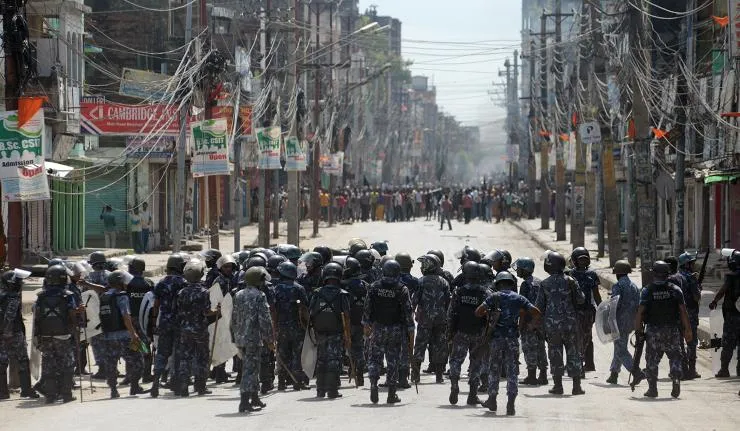
Protesters have put Nepal in an economic shutdown with no resolution on the horizon.
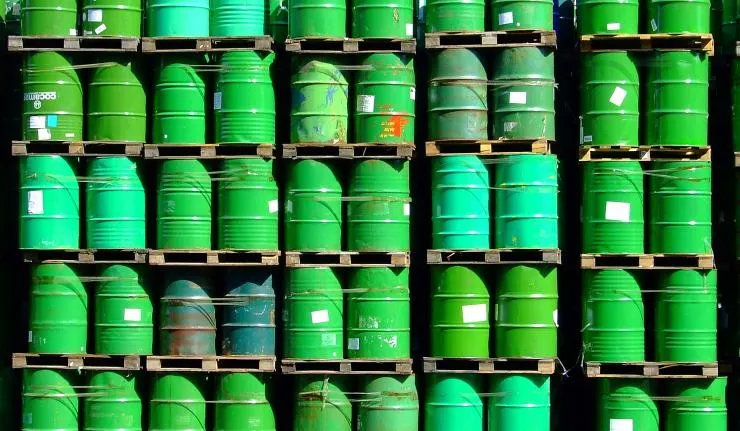
Oil anxieties usually stem from fears about running out of oil, but the true oil scourge of the past is overabundance. Oilmen conceal their oil in order to maintain profits and manipulate their monopoly on oil so that they may wield political power. To keep the price of oil high enough to sustain the industry, oil authorities have developed methods of producing scarcity. The results of making oil scarce have been harmful to society economically, politically, and socioculturally. Since current forms of alternative energy are naturally scarce, this article evaluates whether the effects of the oil…