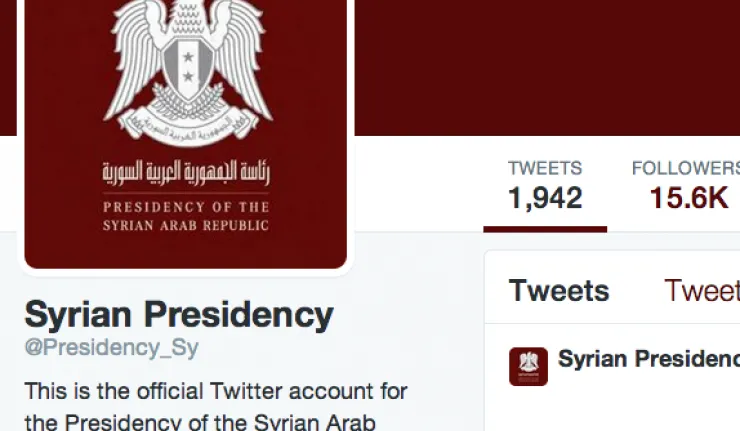
While autocrats are known for imposing strict regulations on speech, the intrinsic openness of digital communications sets up an interesting challenge. Bashar al-Assad has built an online campaign that is highly communicative, seemingly transparent, and spans multiple social media accounts, while attempting to transmit a rigid agenda. In the digital era, political communications lie increasingly on a nuanced spectrum between the fields of journalism, public relations, advertising, and propaganda. On this spectrum, Assad has built a pervasive and multifaceted communications campaign over the course…
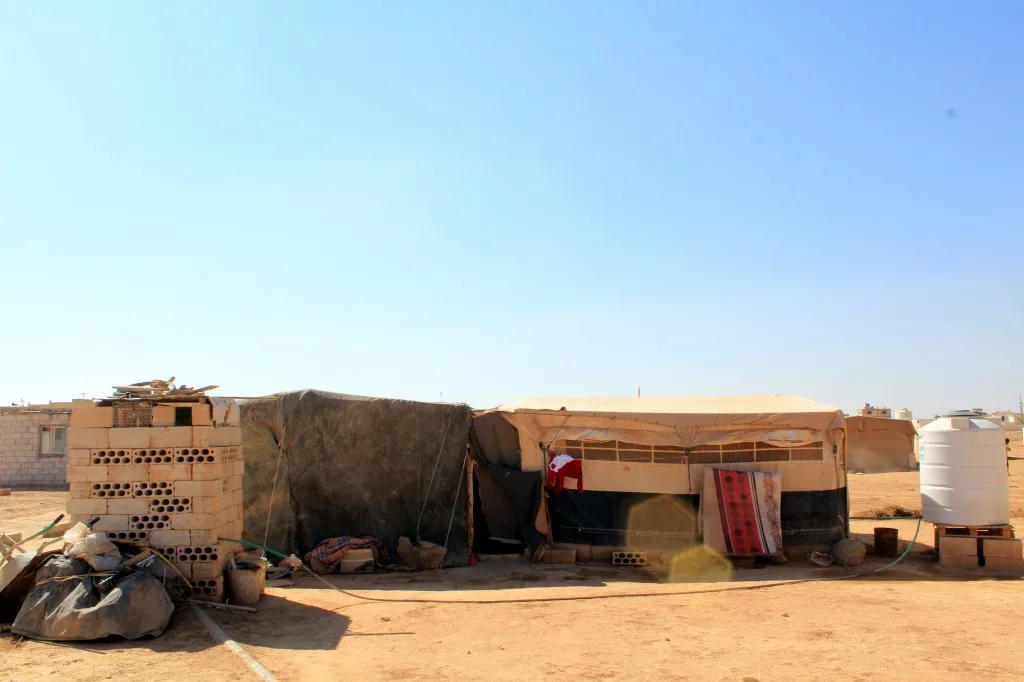

As demonstrated by the recent crisis in Syria, the international community is failing to respond effectively to refugee crises around the world. With the civil war in Syria and the massive influx of Syrian refugees into neighboring countries such as Lebanon, Jordan, Iraq and Turkey, as well as many countries in Europe, the efficacy of the international human rights regime in responding to complex humanitarian emergencies has once again come under question. In January 2015, the Office of the United Nations High Commissioner for Refugees (UNHCR) declared that Syrians overtook Afghans as the largest…

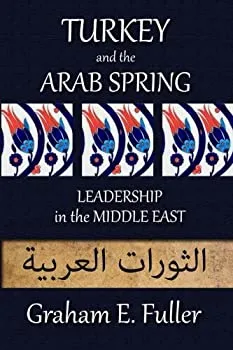
As the saying goes, history may not repeat itself, but it certainly rhymes. This adage is the thrust of much of Graham Fuller’s recent book Turkey and the Arab Spring: Leadership in the Middle East. Early in the text, Turkish foreign minister Ahmet Davutoğlu describes his nation’s resurgence as “the return of history,” and the echoes of Ottoman-era preeminence haunt the rest of the book. Fuller, a former CIA official, delivers an accessible, well-researched book that explores the nuances of an increasingly confident Turkey and its modern ambitions within the Middle East. The author…
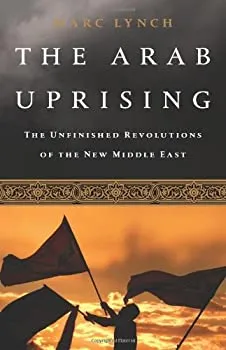
Embedded in its very title, Marc Lynch’s The Arab Uprising: The Unfinished Revolutions of the New Middle East delves into a question that has been left unanswered by commentators and critics alike: Was the Arab uprising one underlying movement organized under a grandiose ideal to give birth to a new Middle East, or was it a multitude of popular and unfinished revolutions that unfolded in different locations in sequential timing? Lynch’s answer is that it was both: The Arab uprising was a continuous oscillation between the transnational and the local. Such a reading is not, in itself,…