
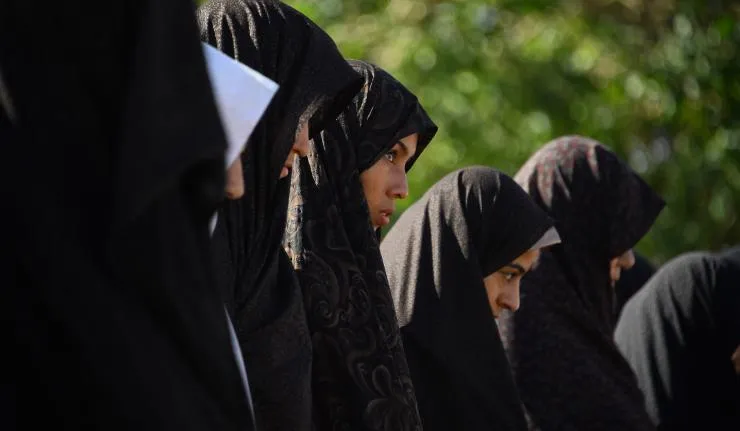
The International Criminal Court’s Pre-Trial Chamber will soon decide whether or not to authorize an investigation into war crimes and crimes against humanity committed in Afghanistan. In this article, Tiran Rahimian considers one of the many alleged crimes – persecution on gender grounds – in the context of the conflicted history of gender-based crimes in international law.

The Kurdish leader Selahattin Demirtaş and his Kurdish constituency could decide the fate of Turkey, argue researchers Huseyin Tunc and Dr. Haluk Baran Bingol.
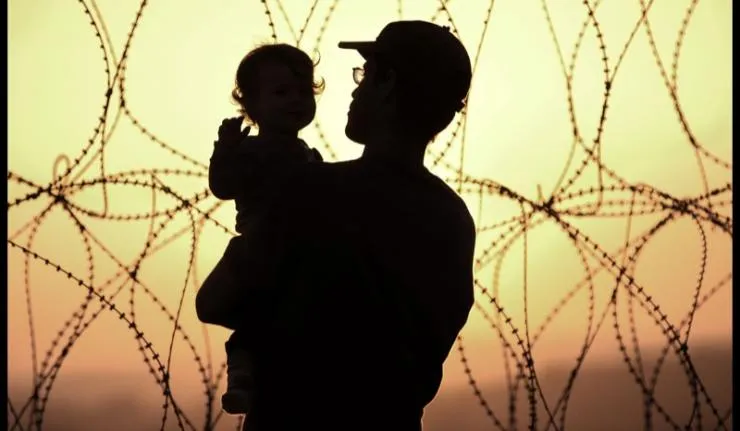
Jewish Israelis no longer risk being the minority as the fertility rate among Palestinians and Israelis in Israel is now equal at 3.1 births per woman. Will changing demographics shift the political outlook?
Image by Rusty Stewart: "A Jewish family watch the sun set over the West Bank from their Settlement."

Moments of catastrophe that destroy communities often provide opportunities to rebuild them to be more resilient to preexisting harms. The challenge lies in spotting and seizing those opportunities. With the re-takeover of Mosul and other cities formerly controlled by the Islamic State, the rapidly growing demand for shelter in Iraq continues unabated. Yet the dearth of supportive services in many affected communities continues. One obstacle is an Iraqi policy that effectively forbids local organizations from providing shelter. The potential solution lies in international allies partnering with…
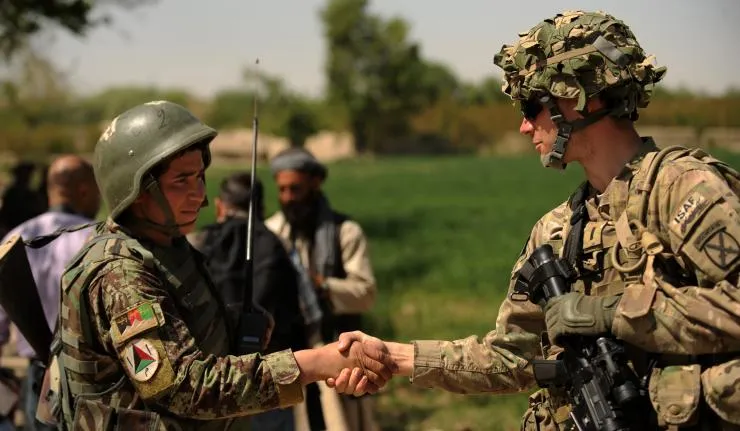
For almost 20 years, the U.S. and its international allies have maintained a presence in Afghanistan with attempts to rebuild the country coming in fits and starts. Here, Adam Simpson argues for a paradigm shift in the way we view statebuilding as the only path towards a sovereign Afghanistan.
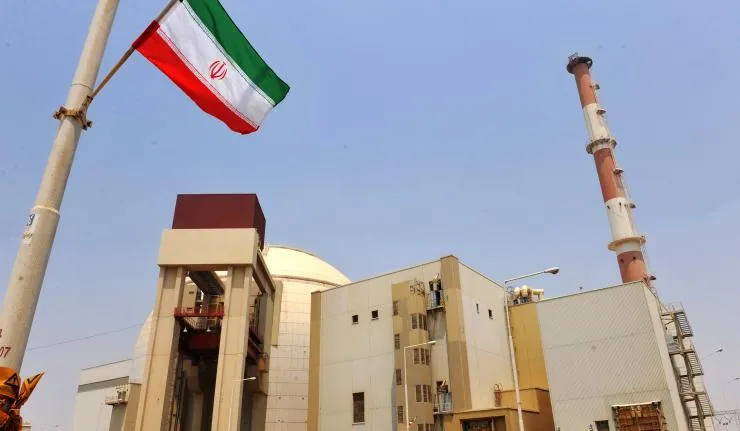
The Trump adminsitration has repeatedly signalled its willingness to scuttle the Iran nuclear deal despite all indicators that Tehran is in compliance. Here, Kaveh L. Afrasiabi argues that between the legal hurdles and likely damage to U.S. reputation, pulling out now may be too costly for the Trump administration despite rhetoric to the contrary.
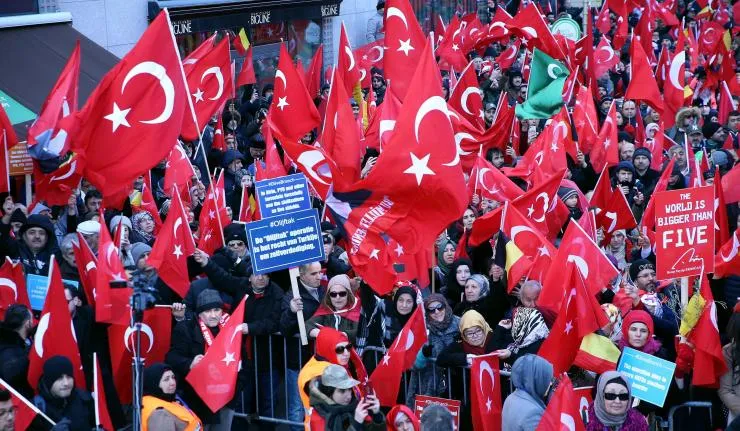
The repeated failure of the peace process in Syria underlines how far apart those involved are on reaching a solution. Turkey has proven particularly ambivalent, focused instead on balancing the fight against ISIS with the suppression of Kurdish elements. Here, Buddhika Jayamaha and U.S. Maj. Jahara Matisek argue that this is by design and reflects Turkish President Recep Tayyip Erdogan's domestic political agenda.
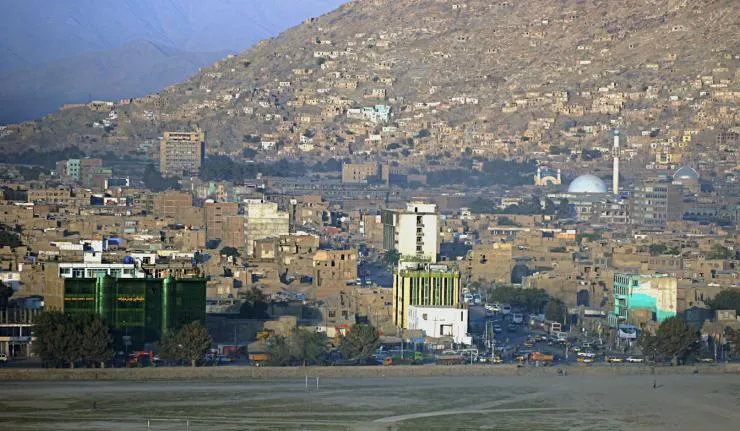
Devastating attacks rocked Kabul this month, killing over a hundred people and raising concerns over a resurgent Taliban. Repeated failures by the national government, Camelia Entekhabifard argues, have Afghans looking elsewhere for a defense against the terrorist insurgency: Donald Trump.
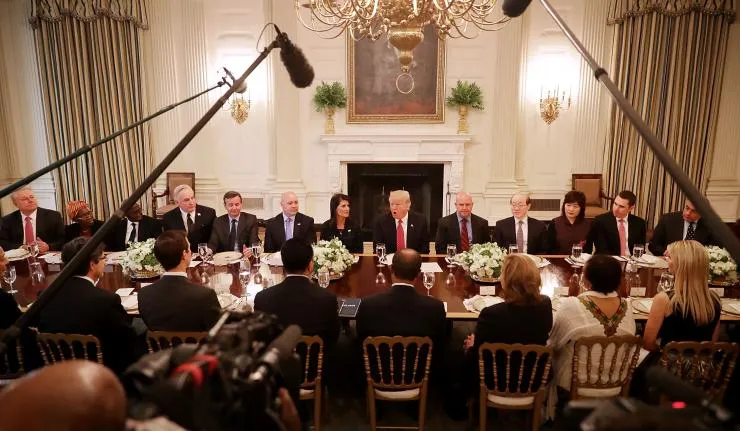
The Trump administration's vocal pessimism regarding the Iran deal threatens the legitimacy of the entire nonproliferation regime. Here, Sina Azodi argues that their bad faith stems from a realist misunderstanding of the incentives in the agreement itself.

Two years in, there is little evidence to support most concerns that surrounded the Iran Deal – except one.

They are unlikely bedfellows: Sunni Islamists declaring a caliphate across the Middle East, ranchers attacking a federal wildlife refuge headquarters while refusing to pay taxes, and neo-Nazis peddling white nationalism and hatred of Jews to Twitter. But they have more in common than any of them would like to admit. It’s not just that they’re all extremists, advocating ideas and behaviors that challenge standard order and condone violence. Importantly, all of these groups and others have used social media to spread their brand across the globe and into our communities.
This problem…

Four of the world’s largest Internet companies pledged to monitor, combat, and prevent terrorists from using their social media platforms to conduct operations in May 2016. One month later, Twitter, Facebook, and Google were sued for deaths caused by the Islamic State in 2015, and their alleged allowance and facilitation of terrorist communication. A growing demand for responsible and accountable online governance calls into question the global norms of cybersecurity and jurisdiction, and the very definition of terrorism. This paper explores the legislative precedent for countering terrorist…