

Following the breakdown of autocracies in Tunisia, Egypt, and Libya in early 2011, the international community turned its attention to China, the largest single-party-rule-state in the world. Analysts and commentators have debated the likelihood of a similar round of popular protests and demonstrations in China.[1] At the 48th Munich Conference on Security Policy, U.S. Senator John McCain warned the Arab Spring would spread to China. “I have said on many occasions and I will say again the Arab Spring is coming to China as well,”said McCain.[2] Will the Arab Spring ignite similar…
“We not only left our houses but our nation”
Conspicuously missing from the cacophony surrounding the debate on the U.S. confrontation with Iran over its nuclear program is any serious consideration of China’s perspective on the issue. Instead of ignoring China, any decision of continuing or escalating the confrontation with Iran should be framed with the following question: Does confrontation with Iran benefit China and undermine the central objective of the U.S. pivot to Asia? The uncomfortable answer is that China would benefit at the expense of the United States.
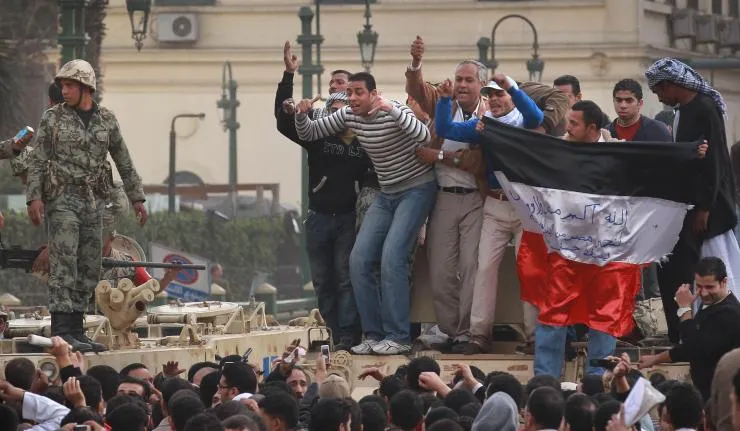
Today, the Arabs are rising against their despotic regimes and leaders in search for liberty and freedom. Yet, the legacy of a similar uprising – the Arab Revolt of 1916 – to expel four-century-old Ottoman rule carries many lessons for the Arab Spring. Over-reliance on foreign help and international third parties to deal with an indigenous cause eventually enabled these outside sources to shape and eventually hijack that indigenous cause. Even though the Arab countries eventually gained their independence they have been struggling with direct or indirect manifestations of colonialism, as well…
Indian and Pakistani competition in Afghanistan long precedes the advent of the Hamid Karzai regime. Both states, since their emergence from the break-up of the British colonial empire in South Asia in 1947, have had ties with a range of Afghan governments. This essay will trace the origins of the Indo-Pakistani rivalry in Afghanistan, assess India’s current status and role in Afghanistan in the context of the Indo-Pakistani rivalry and discuss the implications for American policy.