
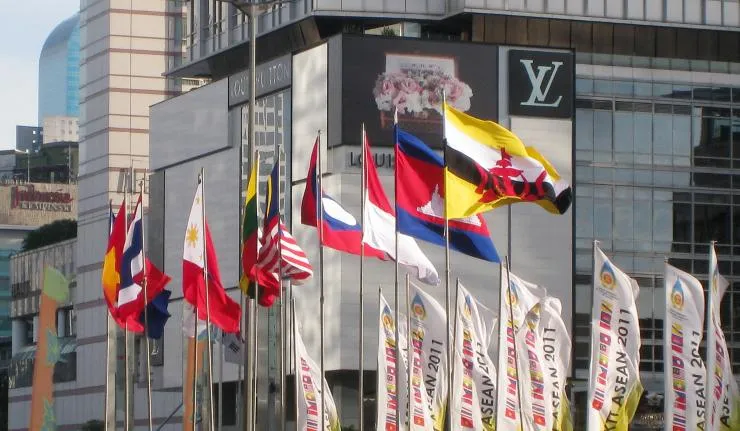
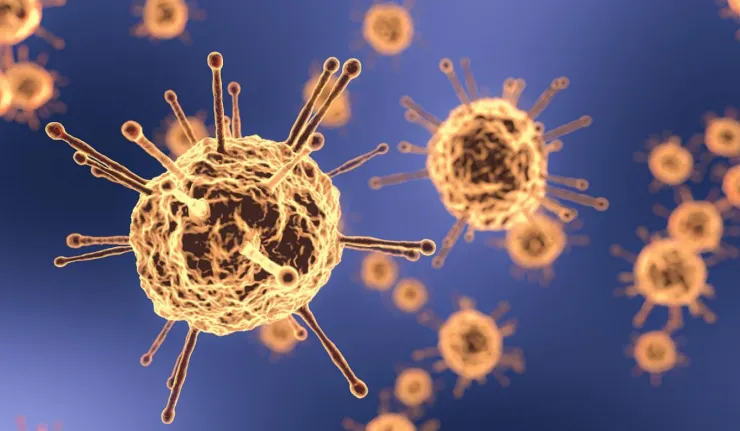
The COVID-19 pandemic has made clear that global health crises are geopolitical events with far-reaching and long-lasting effects across the globe. It creates prodigious disruptions across economic, security, and social sectors, with spillover effects through trade, financial linkages, and tourism, to name the least. This essay argues that as the American-led order in Asia arguably falters, instead of China rushing to fill the post COVID-19 vacuum, it is Asia’s middle powers, in particular Japan and India, that should endeavor to envision and shape a new order led by Asian regionalism.
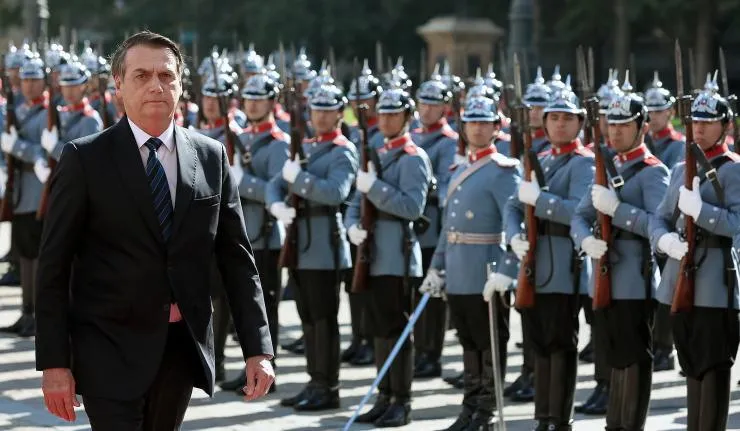
As the novel coronavirus pandemic spreads across Latin America, civilian leaders are asking the region’s militaries to increase their domestic duties, from enforcing curfews and sealing international borders to providing public healthcare. This essay provides a comparative analysis which reveals that with the COVID-19 outbreak, Brazil and Mexico – which between them contain over half the region’s population – as well as El Salvador, are increasingly vulnerable to military interference in politics.
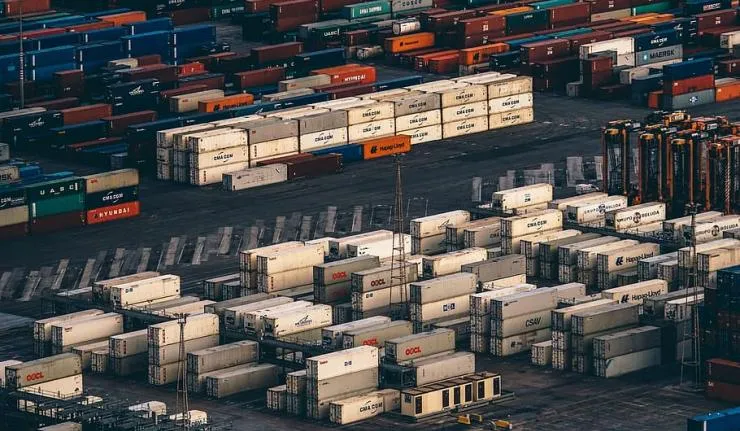
In October 2016, the Philippine government reaffirmed its commitment to advancing cross-border trade by successfully ratifying the World Trade Organization (WTO) Trade Facilitation Agreement (TFA) which mandates agreed parties to streamline their customs procedures and improve the flow, discharge, and clearance of goods across borders. The quicker, smoother movement of goods to and from the country is crucial for the Duterte administration, which seeks to sustain economic growth through local firms’ increased participation in international trade and global value chains.
…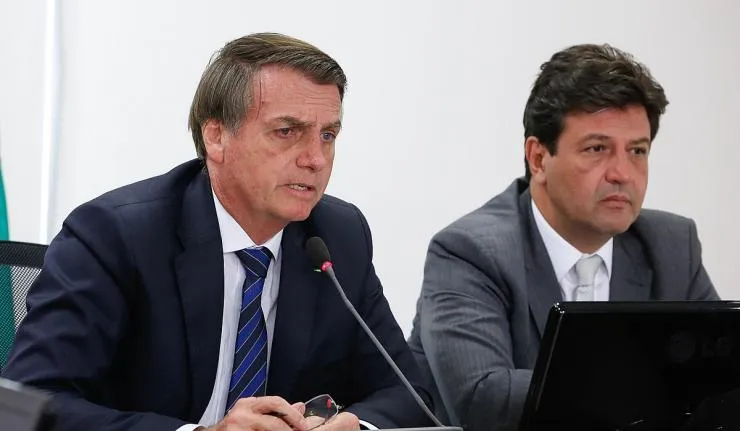
In the largest country in Latin American, the media has faced a major distraction in the coverage of COVID-19: the president of Brazil Jair Bolsonaro himself. A recent analysis of printed editions of ten newspapers from Brazil’s most populated state capitals shows that the attention has been divided between the health crisis and a political crisis caused by Bolsonaro’s actions that have no connection to the novel coronavirus.
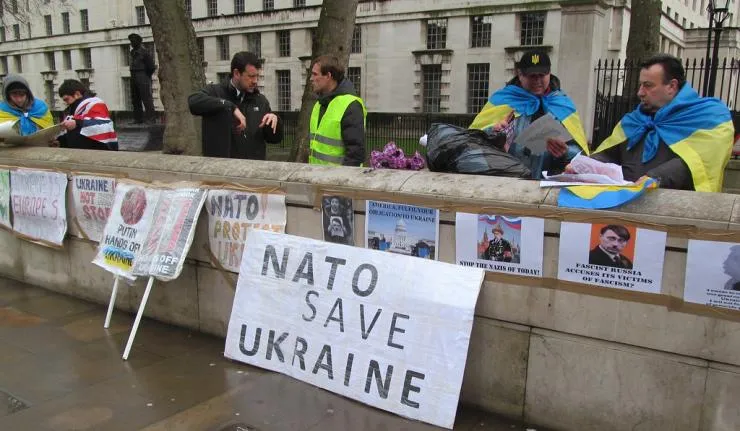
The COVID-19 crisis presents Ukraine with a unique opportunity to integrate further into the West. The crisis has weakened Russia’s position in the Donbas and has sparked key internal Ukrainian reforms that call for more robust action. An important first step should be Ukraine’s integration into the Three Seas Initiative. Second, Ukraine and the U.S. should negotiate the terms of a new relationship by designating Ukraine a Major Non-NATO Ally. Doing so will strengthen Ukraine’s democratic institutions, lift the economies of Central and Eastern Europe, and begin restoring American prestige…

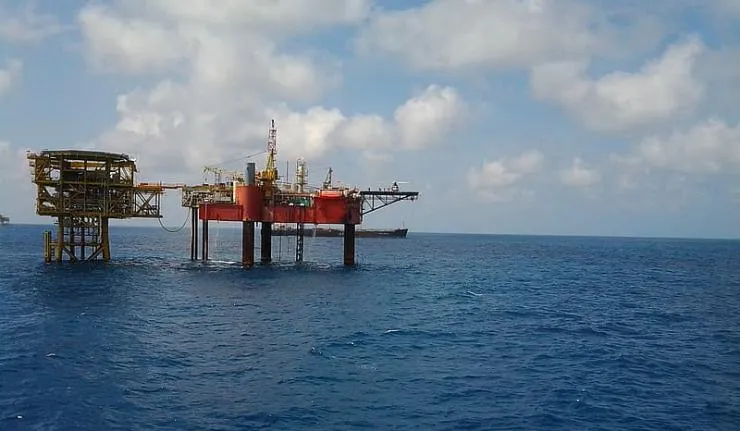
In a historic first, global energy markets witnessed the crude oil price plunge to sub-zero levels. While oil-producing nations are likely to face budgetary crises due to the ongoing market meltdown, the implications for oil-intensive economies like India are mixed: despite the pandemic-induced demand destruction, India’s crisis can be leveraged with the help of careful policy maneuvering.