
At the Journal of International Affairs launch event for our issue The Fourth Industrial Revolution, we had the opportunity to speak with our five guests about their perspectives on the future of work. You can find out more about the issue and read select articles here.
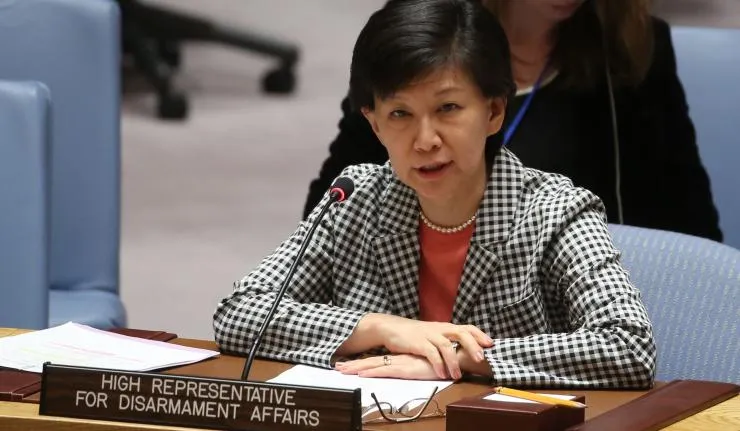
In December 2018, the Journal of International Affairs interviewed Izumi Nakamitsu, United Nations Under-Secretary-General and High Representative for Disarmament Affairs, on the implications of the Fourth Industrial Revolution for global peace and security. Ms. Nakamitsu assumed her current position in May 2017. Prior to this post, she served as Assistant Administrator of the Crisis Response Unit at the United Nations Development Programme since 2014.
Ms. Nakamitsu has many years of experience within and outside the United Nations system, most recently as Special Adviser Ad Interim on Follow-up…
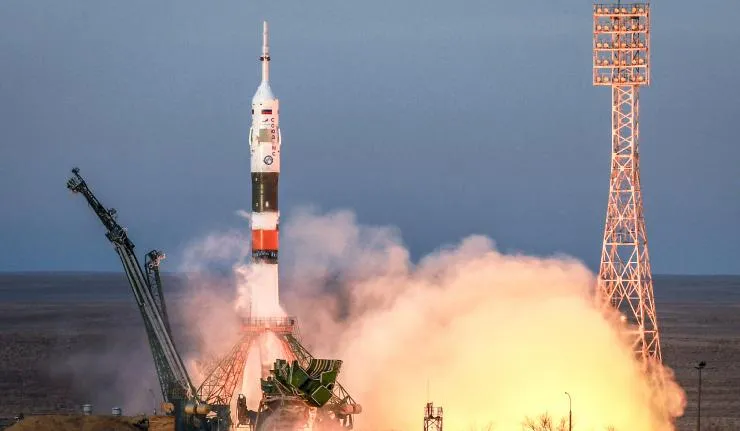
2018 marks the fiftieth anniversary of the first UNISPACE conference where 78 Member States met to discuss the vast potential of space science and technology, and its applications. Simonetta Di Pippo is Director of the United Nations Office of Outer Space Affairs (UNOOSA), the body responsible for promoting international co-operation in the peaceful uses of outer space.

Migration is polarizing societies around the globe and has become one of the most important political cleavages of our times. We spoke with Michael Doyle, the Director of the Columbia Global Policy Initiative and co-director of its International Migration project, about the challenges of migration in current times. In 2015, Doyle helped develop the Model International Mobility Convention which represents a shared framework among over 40 academics. It serves the ambitious goal of creating a holistic, rights- respecting governance regime for all aspects of international migration.
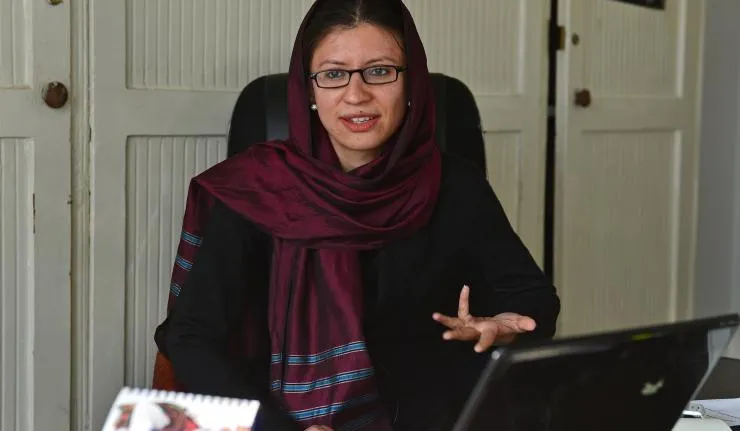
This interview first appeared in the Journal of International Affairs, Vol. 67, No. 1 in the Fall of 2013.
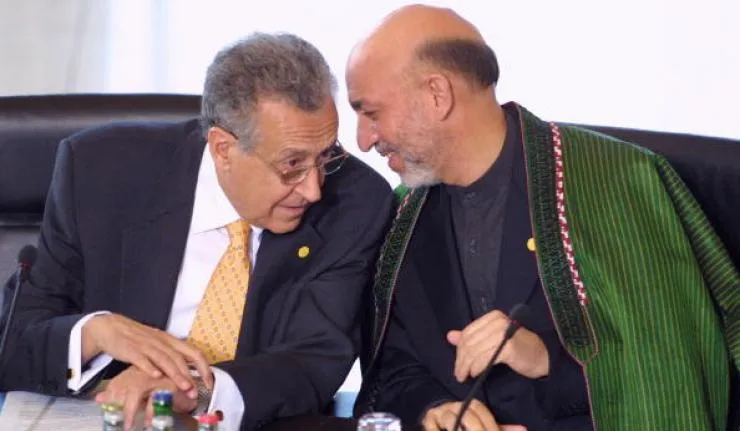
Lakhdar Brahimi is the Special Adviser to the Secretary-General and served as the UN Special Envoy in Iraq. Ambassador Brahimi led the United Nations Assistance Mission in Afghanistan and was entrusted with overall authority for the UN’s reconstruction activities there. Mr. Brahimi also served as Special Representative to Haiti and South Africa and directed special missions to a number of countries, including the Democratic Republic of the Congo, Yemen, Liberia, Nigeria, and Sudan. Mr. Brahimi was Minister for Foreign Affairs of Algeria and served as the Under-Secretary-General of the League…
John H. Coatsworth, a leading scholar of Latin American economic and international history, explains current trends in Latin America and offers a glimpse into the region’s future trajectory based on its modern history. He identifies certain legacies, such as the European subjugation of indigenous populations to explain Latin America's continuing struggle with inequality and its tendency to support leftist governments. According to Coatsworth, many Latin American countries will continue to follow the promises of left-leaning reformist governments at least until the need to overcome past legacies…
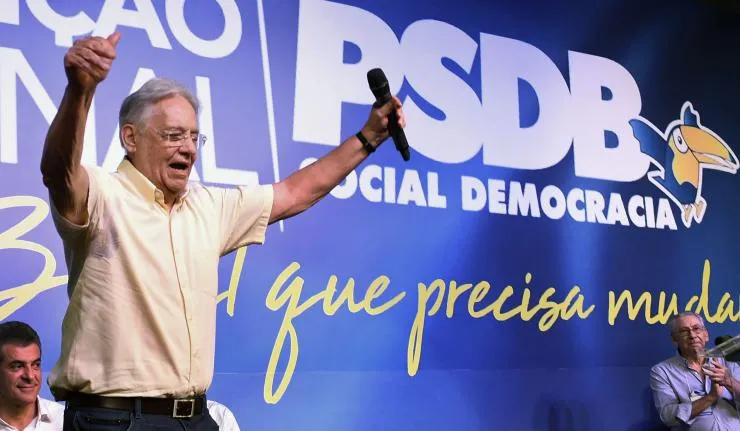
FERNANDO HENRIQUE CARDOSO was President of the Federative Republic of Brazil for two successive mandates from January 1995 to January 2003, winning both elections by an absolute majority. Among his current functions, Cardoso is Chairman of the Club of Madrid and co-Chairman of the Inter- American Dialogue. He is also a member of the Board of Trustees of the Rockefeller Foundation, New York, and of the Institute for Advanced Study, Princeton. In addition, he is Professor "at-large" at Brown University, Providence, and holder of the "Cultures of the South" chair at the Library of Congress,…
With a weakened Germany after recent elections, limits on France’s hopes for further European integration, secessionist tensions in Spain, and democratic backsliding in Hungary and Poland, democracy seems incapable of addressing current issues in Europe. We asked Sheri Berman, professor of political science at Barnard college and an expert in European politics, about the challenges that democracy faces in the Old Continent.
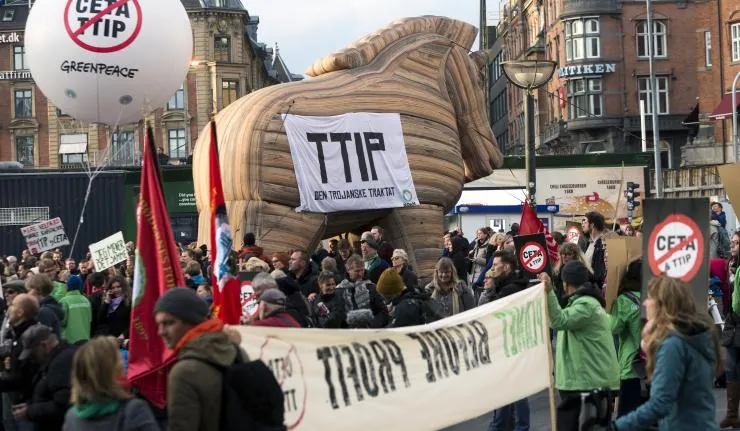
While some blame globalization and unfettered international trade for rising inequality around the world, others fear that protectionism will curb global economic growth. The Journal of International Affairs talked to C. Fred Bergsten, director emeritus of the Peterson Institute for International Economics, about the so-called war on free trade and the future of the global economy.

Cyber issues are rapidly growing in importance to defense alliances. The Journal of International Affairs talked to Ambassador Sorin Ducaru, NATO’s assistant secretary general for emerging security challenges, about NATO’s efforts to improve its cyber defenses against emerging threats.
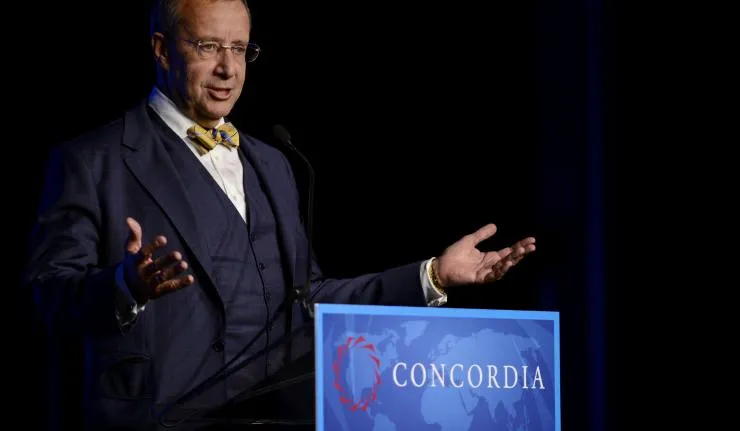
The small Eastern European country of Estonia is widely considered a leader in cybersecurity and e-governance and is also commonly believed to be the first victim of cyber war in 2007. The Journal of International Affairs talked to Toomas Hendrik Ilves, who recently stepped down as president of Estonia after ten years in office, about cyber threats and opportunities. President Ilves says the more digitized a country is, the more vulnerable it is to cyber attacks, but he believes it is possible to build a credible…