

Mayada Hassanain is an independent researcher on poverty reduction, economic pluralism, and feminist political economy based in Sudan. In 2019, she spent months protesting and organizing in the movement that ultimately removed Sudan’s long- time president, Omar al-Bashir. The Journal spoke with Ms. Hassanain about the protest movement and the future of Sudan.
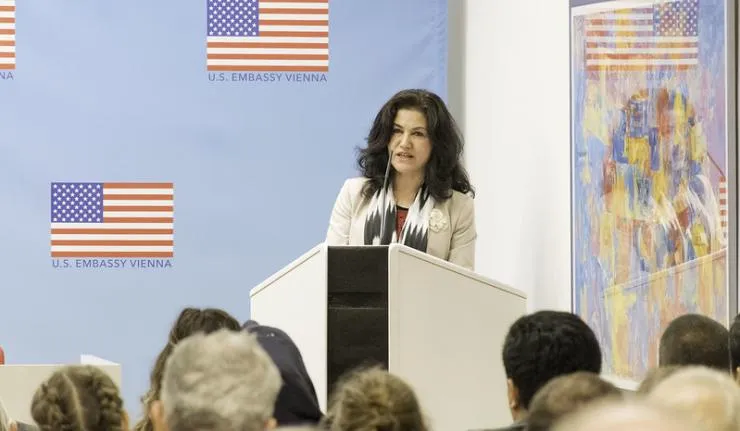
Rushan Abbas is a Uyghur-American activist. She is the founder and executive director of the Campaign for Uyghurs, and has been one of the most prominent voices speaking out against the mistreatment of the Uyghur people by the Chinese government. The Journal spoke to Ms. Abbas about her experience speaking out against China and what it will take to force accountability.
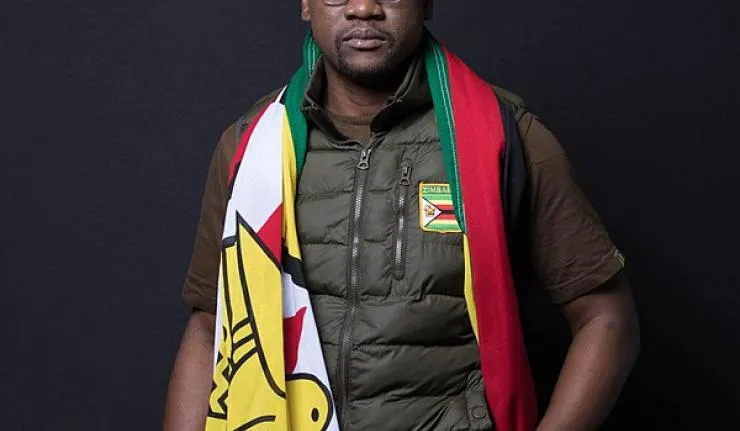
Evan Mawarire is a Zimbabwean pastor and activist. In 2016, a video he recorded, entitled “This Flag,” inspired tens of thousands of Zimbabweans to protest against the Robert Mugabe regime, leading to Mugabe’s resignation in 2017. Mawarire has since led a series of protests calling for government accountability and an end to corruption, and has been arrested multiple times in retaliation. The Journal spoke with Pastor Mawarire about this experience, and what it will take to break the cycle of corruption.

Assaad Thebian is a communications professional and activist in Lebanon. In 2015, he led—and was arrested in connection with—the #YouStink Movement, a protest movement decrying the Lebanese government’s corruption and failure to provide ser- vices. The Journal spoke with Mr. Thebian about growing up in Lebanon’s sectarian society, the #YouStink Movement, and the anti-government protests of 2019–20.
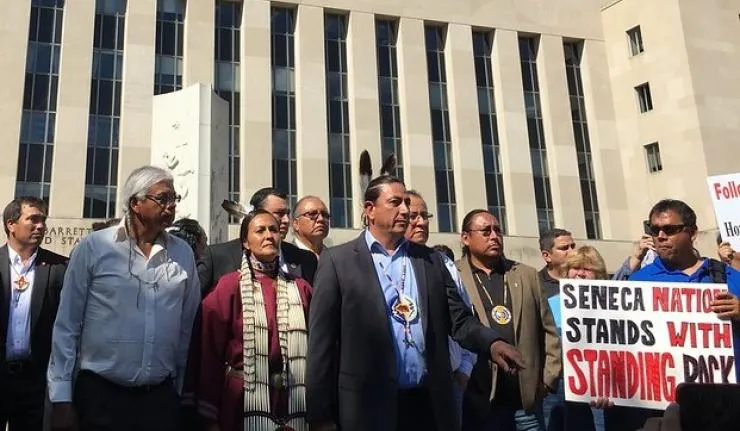
In this special Feature taken from the upcoming Politics of Protest issue, the Journal speaks with David Archambault II, former tribal chairman of the Standing Rock Sioux Tribe, about his experience in the 2016 Dakota Access Pipeline protests and educating Indigenous youth.

Following the Coronavirus pandemic related conspiracy theories emerged. Global powers began shaping the pandemic narrative, fending off blame and associating it with others. Some did it for domestic control, others to undermine their global adversaries.

Twenty-one years after Kargil, South Asia once again finds itself at the brink of war. The India-China standoff has entered its 100th day, and the armed forces of the two countries stand prepared for escalating conflict in the Galwan Valley along the Line of Actual Control (LAC). The standoff bears a likeness to the India-Pakistan conflict in Kargil along the Line of Control (LOC) in 1999, this time with differing actors, geopolitics, and strategies for managing kinetic tensions and preserving the peace.

Josh Tickell, author and film director, has created several works focusing on sustainability and the climate. He has directed award-winning documentary films, and he recently published The Revolution Generation–How Millennials can Save the World Before It’s Too Late, a book about the role millennials must play to save the earth’s ecosystems. The Journal of International Affairs spoke with Tickell on the future of energy, the role of millennials, and ways to effectively create change.

Michael J. Sangiacomo, Recology President & Chief Executive Officer, leads innovative recycling, composting, and recovery programs in Washington, Oregon, and California. Recology investments and innovation technology have positioned Mr. Sangiacomo as a leading voice on national recycling, composting, and recovery programs. The Journal of International Affairs spoke with Mr. Sangiacomo about various successes and challenges he has encountered in his quest to make San Francisco one of the leading zero waste cities in the world.
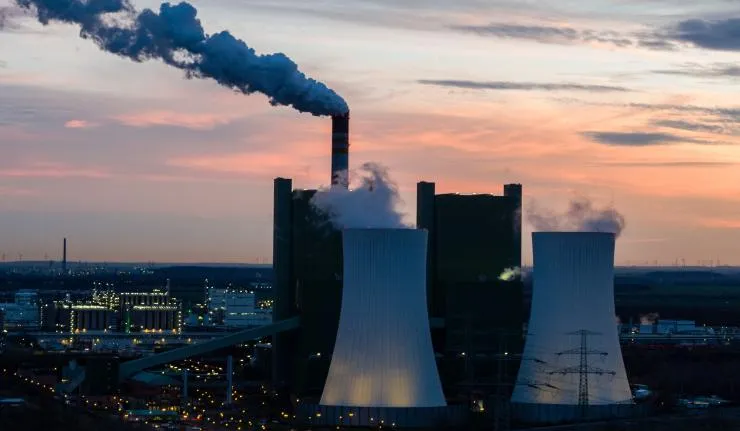
Michael Green serves as Executive Director of Climate XChange, a non-profit focused on carbon pricing advocacy, media, and research and is a Founding Partner at Carbon Capital Advisors, a start-up focused on using innovative technology and finance to address climate issues. He has been asked to speak at the White House, and he has served as a representative to the United Nations climate forum since 2012. In 2016, he was recognized as a Champion of Change by President Obama, for his commitment to climate change as an equity issue. The Journal of International Affairs spoke with him about the role,…
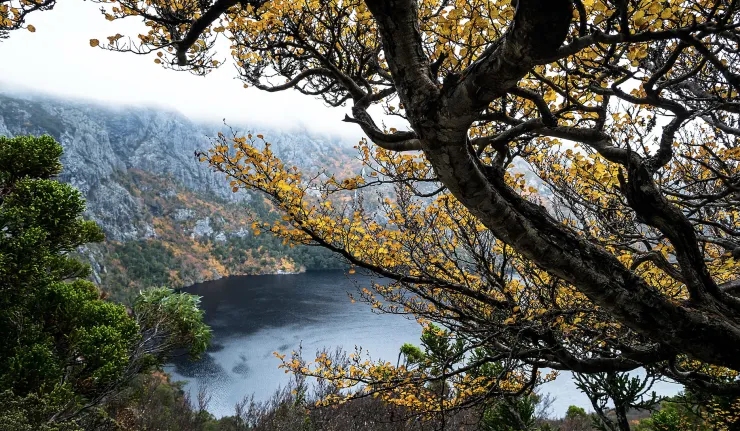
Professor Dr. Michael Braungart is a professor at the Leuphana University Lüneburg, the founder and scientific CEO of EPEA Internationale Umweltforschung GmbH, and the co-founder and scientific director of McDonough Braungart Design Chemistry (MBDC). Since working for Greenpeace International in the 1980s, Dr. Braungart has been an international leader on research and consultancy for eco-effective products. The Journal of International Affairs spoke with Braungart about the Cradle to Cradle concept that he developed.
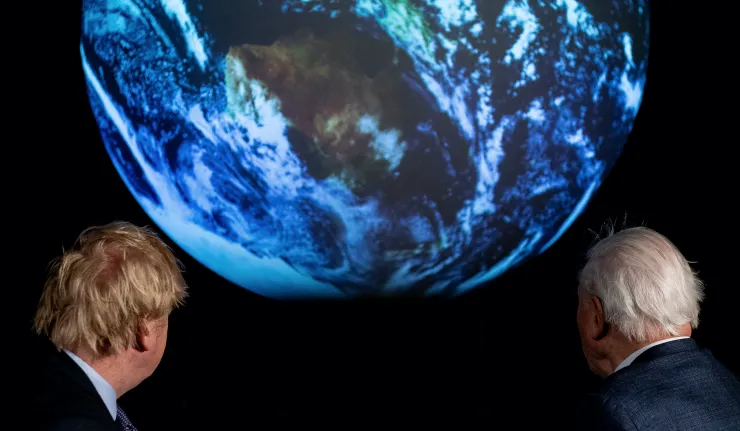
David Wallace-Wells writes about climate change for New York Magazine. In 2019, he published The Uninhabitable Earth, a book exploring what life will be like after continued global warming. The Journal of International Affairs spoke with Mr. Wallace-Wells about how the climate crisis will disrupt economies and livelihoods.