
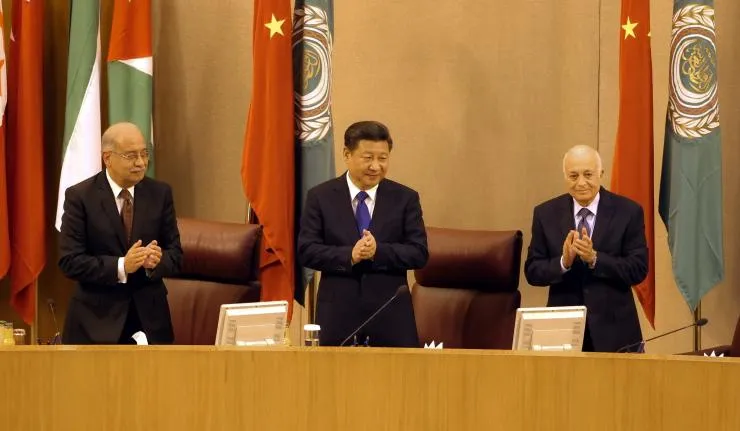
The United States remains the largest arms dealer in the Middle East, but over the past four decades China has emerged as a “Plan B” to meet arms demand in the region. Al Saud discusses how China’s win-win approach to economic diplomacy has bolstered its arms trade and argues that the Arab World may have found a willing partner for years to come.

This article first appeared in the print edition of the Journal of International Affairs, Winter 1992.
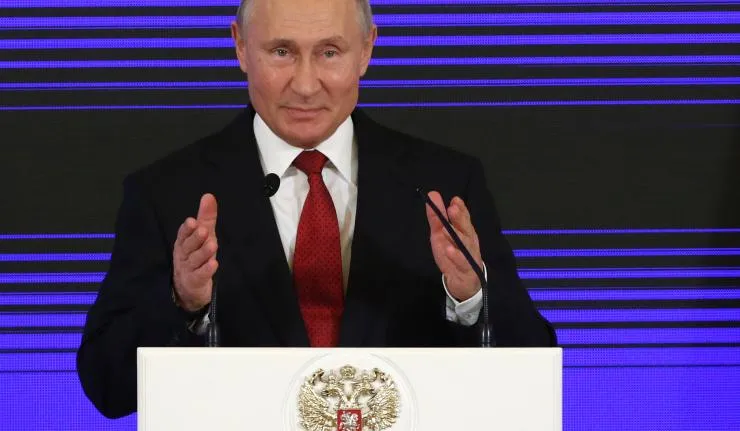
A decade ago, influential Russian analysts concluded that the emergence of a multipolar world was inevitable, and that Russia could benefit from this transition by adopting a strategy that combined great power realism and “traditional” Russian values.This strategy, first elaborated in Vladimir Putin’s Valdai Speech of 2013, has since come to be known as “civilizational realism.” This essay describes how, through civilizational realism, Russia hopes to forge a new, and more ‘congenial’ world order.
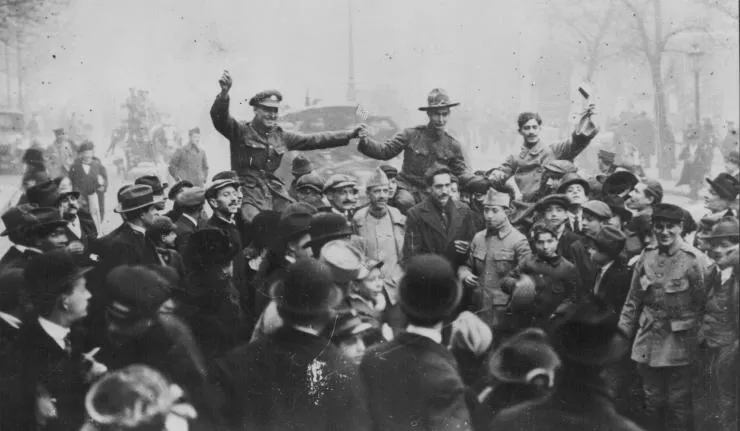
This article first appeared in the print edition of the Journal of International Affairs, Spring 1977.
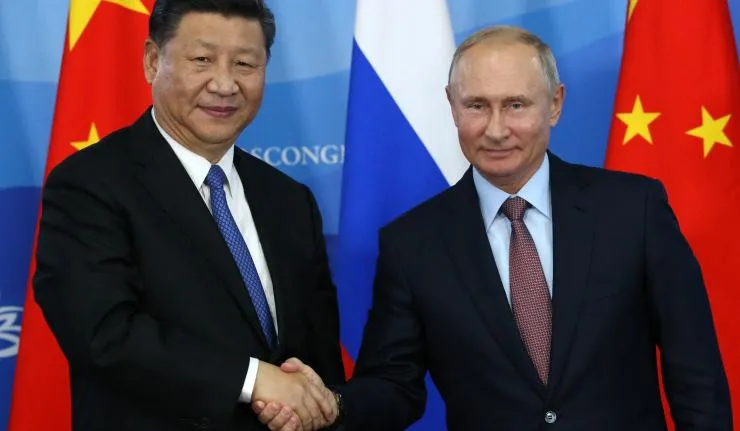
Tensions with the West since 2014 have contributed to Russia’s attempt to “pivot East” and coordinate with China on providing energy supplies. China is already Russian oil’s biggest customer, and in 2019 importing Siberian gas thanks to the massive “Power of Siberia” pipeline. But how far will Russia-China cooperation work? What are the risks for Russia? Will it become an “energy appendage” of Beijing? Ernesto Gallo and Bruno Sergi examine the changing dynamics of the relationship between Russia and China.

The Russian Orthodox Church announced on 15 October 2018 that it would break communion with the leader of Eastern Orthodoxy, the Ecumenical Patriarchate of Constantinople, over the decision to grant the Ukrainian Orthodox Church independence from the Moscow Patriarchate since coming under its control in 1686. The historic schism has implications beyond religious practice as political leadership in Kiev and the Kremlin connected the decision to foreign policy considerations. Amy Fallas argues that the geopolitical dimensions of the Orthodox crisis and the agency of ecclesiastical actors underscores…
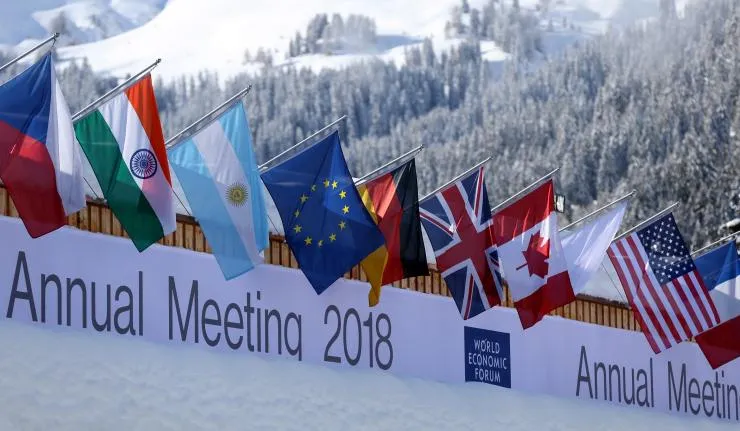
This article presents findings from a three-year study of Ukrainian strategic narratives and perceptions of the EU. By identifying how news media and young Ukrainians narrate the international system and the role of their nation in that system, we can explain how and why they offer narratives about prospects for peace and the EU’s role as a potential mediator. This analysis combines strategic narrative and image theory to categorize Ukrainian narratives about possible futures for their country. We find that Ukrainian news media and young people understand their position primarily through the…
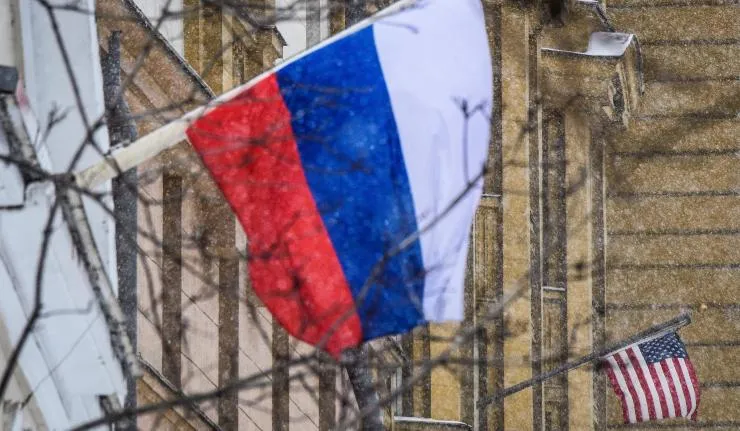
Democracy promotion abroad may contain the seeds of democracy destruction, and perceived democracy destruction may in effect be democracy promotion. This article examines two foundational analyses, one Russian and the other American, that assert digital technologies have been used by rival states to promote democracy and to undermine governance to achieve regime destabilization. The Russian analysis is the so-called Gerasimov doctrine and the American analysis is the January 2017 report by the U.S. Office of the Director of National Intelligence, which asserts that the 2016 U.S. Presidential election…
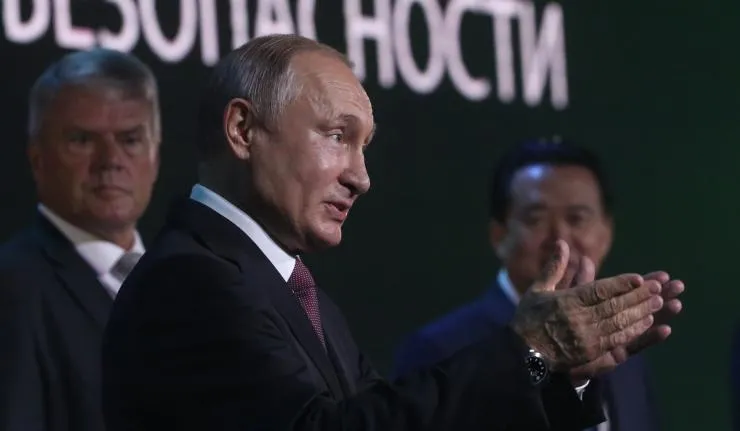
This article examines Russia’s use of misinformation to influence the 2016 U.S. election by reviewing the content of one of the largest repositories of publicly available Twitter data from Russia’s Internet Research Agency (IRA). The article focuses on assessing whether Russia’s communication strategy appealed to an informational logic of false information or to an identity logic. The evidence shows that Russia, through the IRA, was primarily invested in identity rather than informational claims particularly given that the bulk of Russia-linked communications sought to define then-candidate…
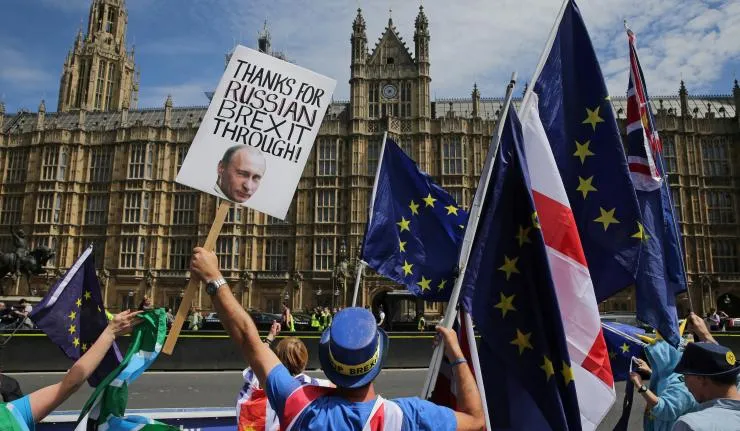
The field of conspiracy theories has previously focused primarily on the role of conspiracy theories in U.S. politics, neglecting the use of conspiracy theories as strategic narratives more broadly. A subset of question-raising conspiracy theories codes was developed for this study to include a more nuanced look at conspiracy theories and the techniques used to undermine existing narratives. Question-raising theories do not use the words “conspiracy” or “theory.” This study analyzed daily RT RSS feeds from June-July 2016 using the application of codes pertaining to Brexit, the EU, EU member…
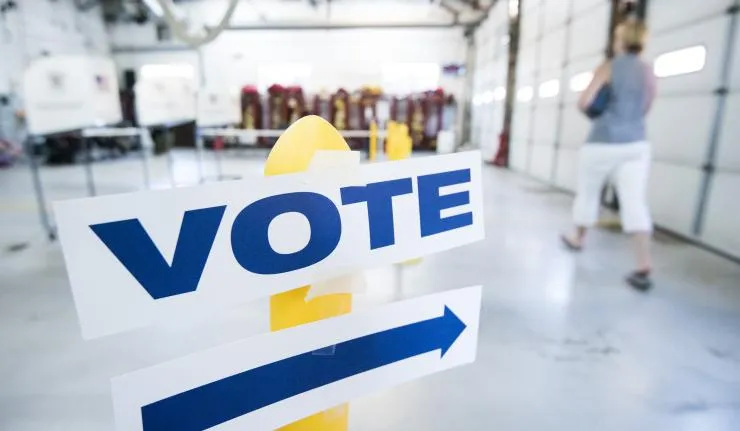
With a weakened Germany after recent elections, limits on France’s hopes for further European integration, secessionist tensions in Spain, and democratic backsliding in Hungary and Poland, democracy seems incapable of addressing current issues in Europe. We asked Sheri Berman, professor of political science at Barnard college and an expert in European politics, about the challenges that democracy faces in the Old Continent.

The Kurdish leader Selahattin Demirtaş and his Kurdish constituency could decide the fate of Turkey, argue researchers Huseyin Tunc and Dr. Haluk Baran Bingol.