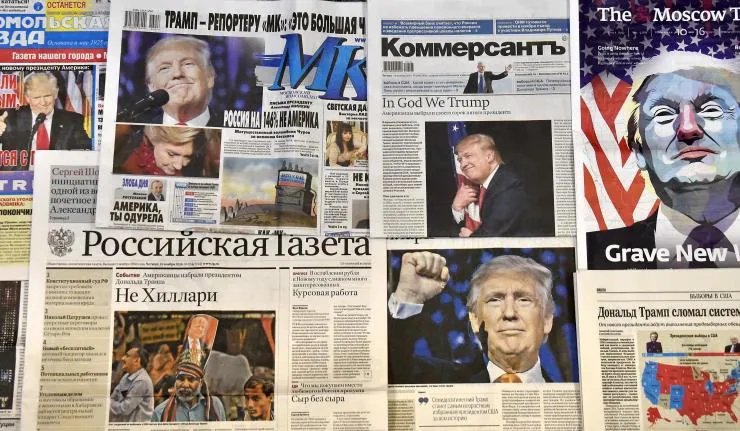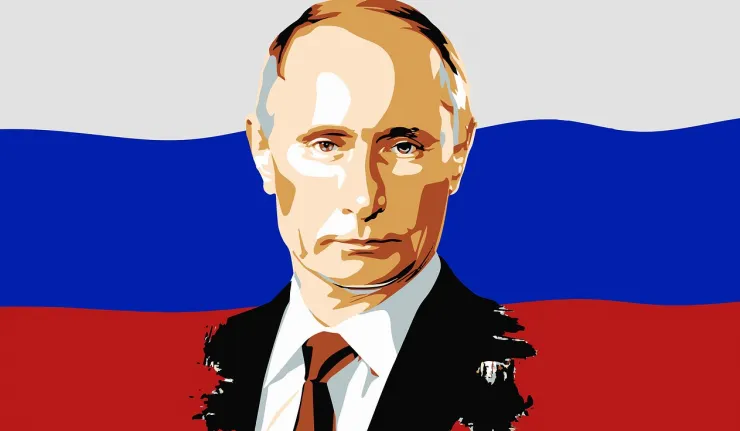
Heads of State usually struggle to balance international affairs with domestic needs. In today’s unpredictable global climate, world leaders should look to and learn from history. Here, Justin Leopold-Cohen explores the centennial anniversary of Russia’s departure from World War I, and how newly elected Chairman Vladimir Lenin chose to focus on domestic issues rather than foreign affairs: a lesson that current Russian President Vladimir Putin should heed.
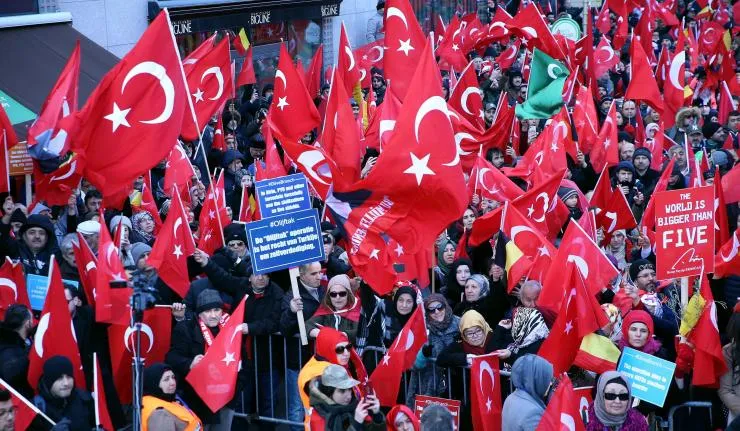
The repeated failure of the peace process in Syria underlines how far apart those involved are on reaching a solution. Turkey has proven particularly ambivalent, focused instead on balancing the fight against ISIS with the suppression of Kurdish elements. Here, Buddhika Jayamaha and U.S. Maj. Jahara Matisek argue that this is by design and reflects Turkish President Recep Tayyip Erdogan's domestic political agenda.
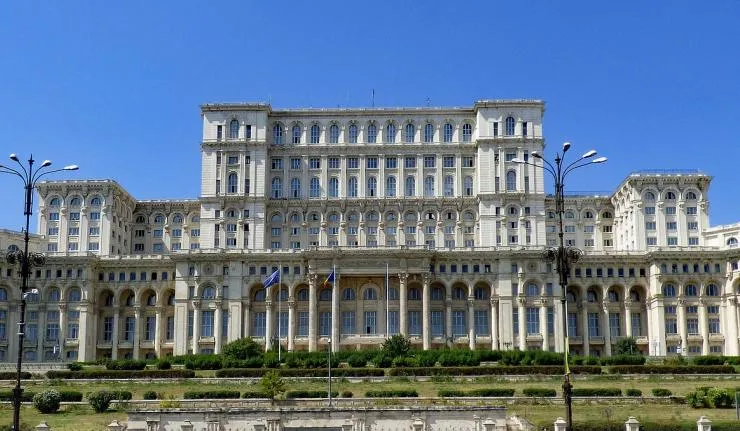
Romania's democracy has been faltering in the last few years. The country has been struggling to shed off its communist history and has seen protest after protest in the last few years as the youth fight to upend the old corrupt order. Georgiana Constantin argues that, while many Romanians are unhappy with the current political situation, much must be done if Romania is to become a stronger democracy.
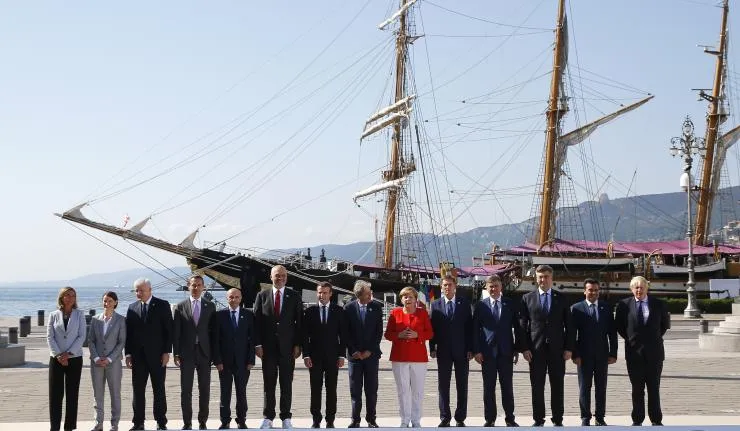
With the European Union struck by a number of issues, from increased Russian aggression to an ongoing migrant crisis to lingering economic woes, it seeks to expand membership in the Balkans and beyond. Michal Bokša argues that the same tactic which brought Central Europe into the EU in the 1990s will not have the same appeal in the Southeast.
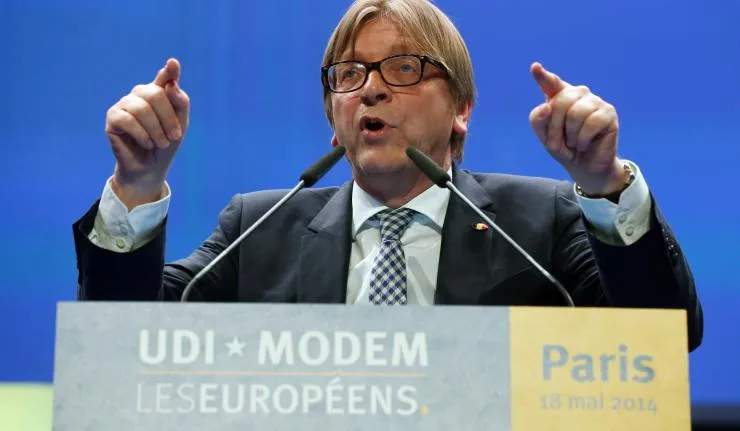
Britain’s decision to leave the EU jeopardizes the future of the European project. The Journal of International Affairs talked to Guy Verhofstadt, the lead Brexit negotiator for the European Parliament and former prime minister of Belgium, about Britain’s departure and the future of Europe.
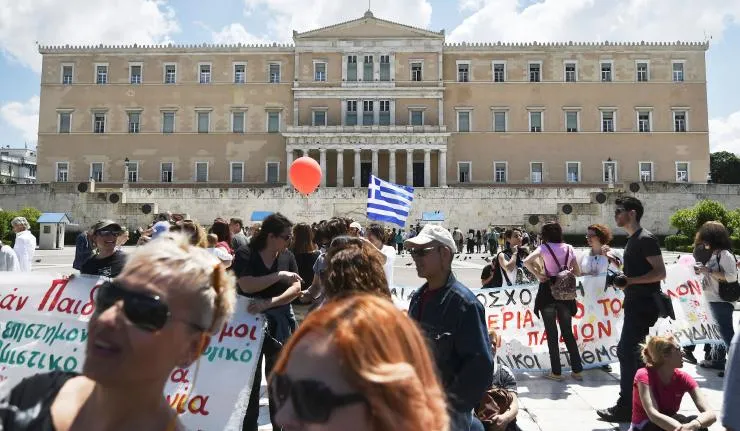
Germany’s ruling Christian Democratic Union might have political and economic interests in sustaining Greece’s fiscal weaknesses.
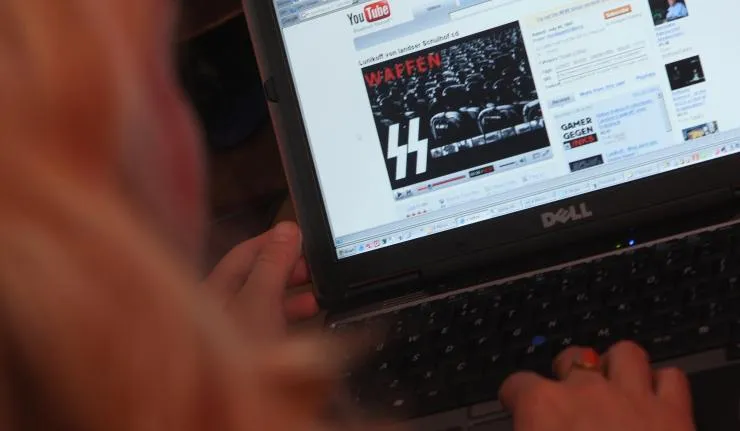
They are unlikely bedfellows: Sunni Islamists declaring a caliphate across the Middle East, ranchers attacking a federal wildlife refuge headquarters while refusing to pay taxes, and neo-Nazis peddling white nationalism and hatred of Jews to Twitter. But they have more in common than any of them would like to admit. It’s not just that they’re all extremists, advocating ideas and behaviors that challenge standard order and condone violence. Importantly, all of these groups and others have used social media to spread their brand across the globe and into our communities.
This problem…
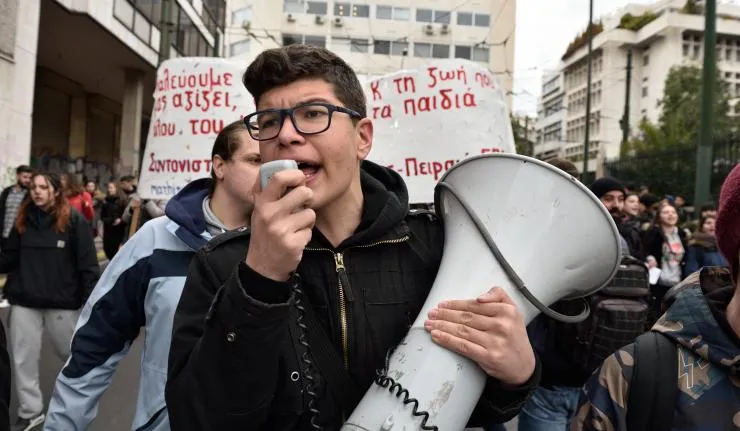
The present study was inspired by the measures that Greece’s coalition government, headed by the far-left SYRIZA party, continues to implement. Specifically, I aim to address several key points of consideration where SYRIZA’s policies negatively impact Greece’s current education system through the continued reduction in ancient Greek and Orthodox studies. The points that I address relate to Greece’s political and cultural history, and the inextricable link between Orthodoxy and the ancient Greek language, including the ties between them and the Modern Greek state. In light of these important…